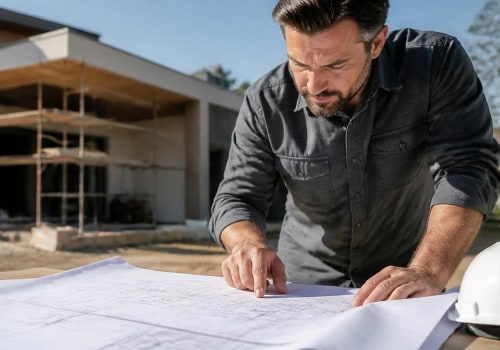
In the intricate world of California construction, understanding the various types of permits required for different projects is crucial for homeowners, contractors, and builders alike. One of the lesser-known yet vital components of the permitting process are special permits, specifically those related to demolition, electrical, and plumbing. These permits are not just bureaucratic hurdles; they serve as safeguards to ensure that construction activities adhere to safety standards, environmental regulations, and community guidelines. As California continues to experience rapid growth and urban development, the demand for construction projects has surged. However, with this growth comes an increased necessity for compliance with local building codes and regulations.
Special permits play a key role in this compliance, granting legal permission to undertake specific types of work that may not be covered under general permits. Whether you are planning to tear down an old structure, upgrade your electrical systems, or install new plumbing fixtures, understanding these special permits is essential. In this article, we will delve into the nuances of special permits in California construction, exploring the requirements, processes, and implications of obtaining permits for demolition, electrical, and plumbing work. Join us as we unravel the complexities of these essential documents and empower you with the knowledge needed to navigate your next construction project successfully. In California, the construction landscape is governed by a complex web of regulations and requirements designed to ensure safety and compliance. Among these are special permits, which play a crucial role in the successful execution of construction projects.
These permits are not merely bureaucratic hurdles; they are essential tools that safeguard the health and welfare of the public by ensuring that construction practices adhere to state regulations. The three most common types of special permits that contractors and homeowners often encounter are those related to demolition, electrical, and plumbing work. Understanding the nuances of obtaining these permits is vital for anyone engaged in construction activities. The process of obtaining a demolition permit in California begins with an application submitted to the local building department. This application often requires detailed plans and specifications about the structure to be demolished, including information about its location and any hazardous materials present, such as asbestos or lead paint.
Once the application is submitted, it typically undergoes a review process that may involve multiple city departments, including planning, fire, and environmental services. Inspections are a critical component of this process; before demolition can commence, inspectors must ensure that all safety regulations are adhered to and that proper environmental considerations are taken into account. For instance, if a structure is located in an area with strict environmental protections, additional measures may need to be implemented to mitigate any potential impact on local ecosystems. Moving on to electrical permits, these are required for any significant electrical work, including installations, alterations, or repairs involving electrical systems. In California, only licensed electricians can pull these permits, ensuring that all work meets stringent safety standards.
The permit application process involves detailing the scope of the work, and once granted, various inspections will be required at different stages of the project. For example, after rough electrical work is completed but before walls are closed up, an inspector must verify that everything meets code requirements. Homeowners might face scenarios where they want to upgrade their electrical systems for new appliances or renovations; in such cases, understanding how to navigate the permit process becomes essential to avoid costly delays or penalties.
Plumbing permits
are another critical aspect of construction in California. Common plumbing projects that require permits include installing new plumbing systems, making significant alterations to existing systems, or even simple tasks like replacing water heaters or sewer lines.Licensed plumbers play a pivotal role here—they not only pull the necessary permits but also ensure that all work complies with local regulations and building codes. The plumbing permit process can vary significantly between municipalities; thus, homeowners or contractors must familiarize themselves with local guidelines. For instance, someone may wish to install a new bathroom or kitchen fixtures; if they do not obtain the proper permits beforehand, they could face fines or be required to redo the work at additional expense. As we explore these different types of special permits further, it’s essential to recognize that opinions may vary regarding their necessity and the efficiency of the permitting process. Some industry professionals argue that the permitting process can be overly cumbersome and time-consuming, particularly for smaller projects where the cost and effort involved can seem disproportionate to the scale of work being undertaken.
On the other hand, advocates for stringent permit requirements emphasize that they exist for good reason—to protect public safety and ensure high-quality workmanship. This ongoing debate highlights the importance of understanding local regulations and being proactive in engaging with relevant authorities when seeking special permits. In conclusion, whether one is a contractor managing multiple projects or a homeowner embarking on a renovation, navigating the world of special permits, including demolition, electrical, and plumbing, is an integral part of ensuring compliance with California's construction laws. Each type of permit comes with its own set of requirements and processes that must be understood and adhered to for successful project completion.
Demolition Permits
Obtaining demolition permits is a critical step in the construction process, particularly in California, where regulations are stringent to ensure safety and environmental protection. Homeowners and contractors must be aware of the requirements for securing these permits to avoid legal complications and project delays. To start, applicants need to submit a demolition permit application, which typically includes detailed information about the property and the scope of the demolition work.This may involve providing site plans, structural assessments, and descriptions of the work to be performed. In addition to the application, several documents are necessary. These often include proof of ownership, a copy of the property deed, and any previous permits related to the structure. Furthermore, if the building contains hazardous materials such as asbestos or lead paint, an environmental assessment must be conducted. This assessment ensures that proper safety measures are in place during the demolition process. It’s also important to check local regulations, as some municipalities may have additional requirements.
For instance, notifying neighboring properties and obtaining their consent might be necessary in certain areas. Additionally, scheduling inspections before and after the demolition can be part of the permit process. Overall, understanding the requirements for obtaining demolition permits is crucial for a successful project. It not only ensures compliance with legal standards but also promotes safety for workers and residents in the vicinity.
Electrical Permits
Electrical permits are essential approvals required by local authorities before commencing any electrical work in California. These permits ensure that all electrical installations comply with the California Electrical Code, which is designed to promote safety and prevent hazards such as electrical fires or shocks. When undertaking various projects, different types of electrical permits may be necessary.For instance, if you are installing new electrical systems in a residential home, you will need a permit for the installation. This includes new wiring, outlets, and circuit breakers. Additionally, if you are performing upgrades or modifications to existing electrical systems, such as adding new circuits or replacing old panels, an electrical permit is also required. Moreover, projects that involve significant changes to the electrical layout, like remodeling a kitchen or adding a room, will necessitate obtaining a permit to ensure that the work meets safety standards and regulations. To legally perform electrical work in California, electricians must meet specific licensing requirements. These requirements typically include completing an apprenticeship program, gaining hands-on experience, and passing a licensing examination.
Electricians must hold a valid state license issued by the Contractors State License Board (CSLB). There are different classifications of licenses based on the scope of work; for example, a C-10 license is specifically for electrical contractors. It is important for homeowners and contractors alike to understand the necessity of obtaining the appropriate electrical permits and ensuring that all work is conducted by licensed professionals. Failure to secure these permits can lead to penalties, increased liability, and potentially unsafe living conditions.
Staying Updated on Regulations
Keeping up with changes in state regulations is vital for both contractors and homeowners involved in construction projects.Special permits
such as those for demolition, electrical work, and plumbing require adherence to specific codes and guidelines that can evolve over time.Here are some effective strategies to stay informed:1.Subscribe to Industry Newsletters: Many organizations and government agencies publish newsletters that provide updates on changes in regulations, best practices, and upcoming training opportunities. Subscribing to these newsletters can keep you informed about the latest developments.
2.Attend Workshops and Seminars:
Participating in workshops and seminars offered by local building departments or construction associations can provide valuable insights into current regulations and industry standards. These events also offer networking opportunities with other professionals.3.Follow Regulatory Agencies on Social Media:
Many state and local regulatory agencies maintain active social media profiles where they share updates and important information regarding construction permits. Following these accounts can help you receive timely information directly from the source.4.Utilize Online Resources:
Websites like the California Department of Housing and Community Development provide comprehensive resources regarding building codes, permit requirements, and regulatory changes.Regularly checking these websites can ensure you have access to the most current information.
5.Join Professional Associations:
Becoming a member of professional associations related to construction can provide access to exclusive resources, including updates on regulatory changes, continuing education opportunities, and industry news. By implementing these strategies, contractors and homeowners can effectively navigate the complexities of special permits and ensure compliance with the ever-evolving landscape of California construction regulations. and ensure compliance with the ever-evolving landscape of California construction regulations.Plumbing Permits
Plumbing permits are essential for various construction projects that involve the installation, alteration, or repair of plumbing systems. These permits ensure that all plumbing work complies with local codes and regulations, which are in place to protect public health and safety. Common plumbing projects that typically require a permit include:- New installations: Any new plumbing system, such as installing pipes in a new home or building, necessitates a permit to ensure proper installation.
- Replacements: Replacing old fixtures, such as sinks, toilets, or water heaters, often requires a permit to ensure that the new installations meet current standards.
- Alterations: If you are modifying existing plumbing systems, such as rerouting pipes or adding new lines for additional fixtures, a permit is usually needed.
- Backflow prevention: Installing or modifying backflow prevention devices is critical for maintaining water quality and typically requires a permit.
- Research local requirements: Before starting any plumbing project, check with your local building department to understand the specific regulations and requirements for obtaining a permit.
- Submit an application: Fill out the necessary application forms provided by the local authority. This may include detailing the scope of work and providing plans or diagrams of the proposed plumbing work.
-
Pay applicable fees: There are often fees associated with applying for a plumbing permit.
These can vary based on the type and scope of the project.
- Schedule inspections: After obtaining the permit, you may need to schedule inspections at various stages of your plumbing project to ensure compliance with local codes.
Additionally, staying informed about any changes in regulations can help avoid delays and complications in your projects. Overall, a proactive approach to acquiring and understanding special permits will contribute significantly to the overall success of construction endeavors in California.