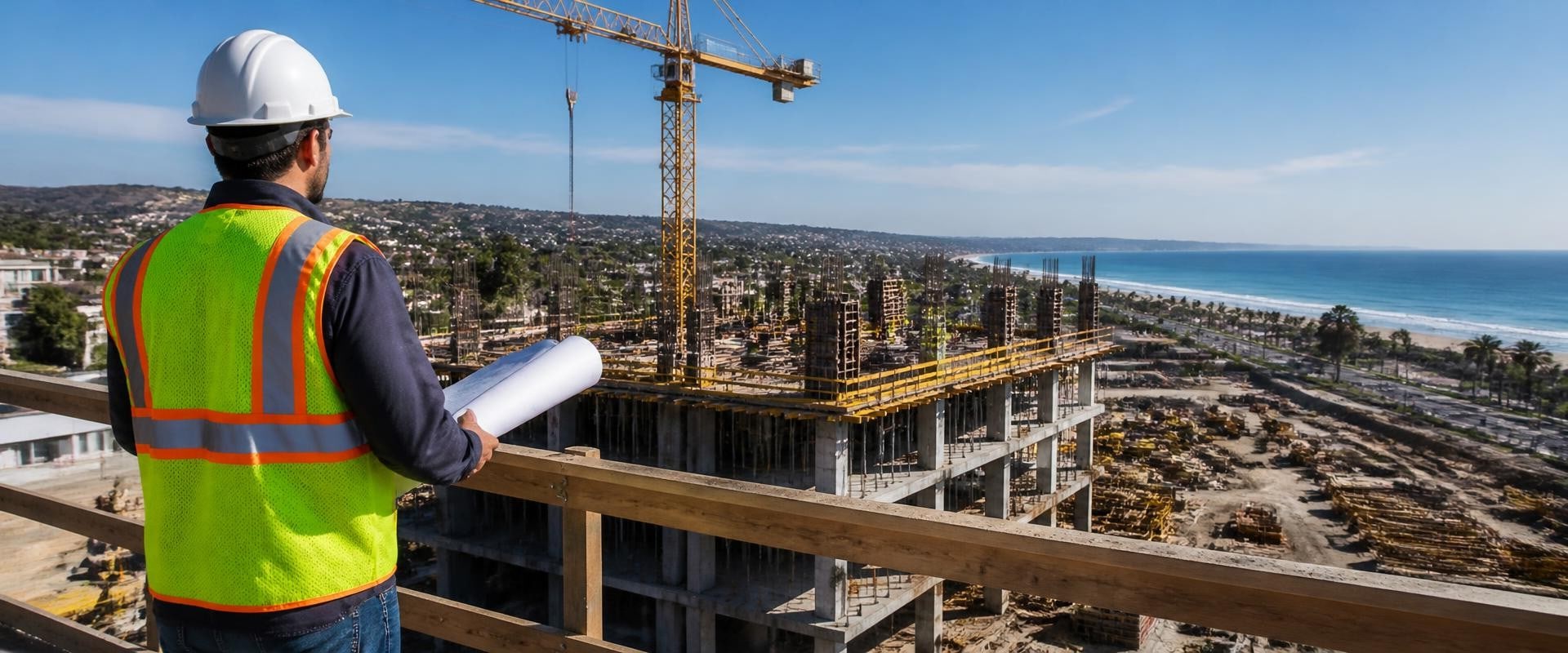
In the ever-evolving landscape of the construction industry, the success of a project often hinges on innovative strategies, meticulous planning, and collaborative efforts. California, with its diverse geography and booming economy, serves as a fertile ground for such successful projects. From towering skyscrapers in Los Angeles to sustainable housing developments in San Francisco, the state showcases a myriad of , the success of a project often hinges on innovative strategies, meticulous planning, and collaborative efforts. California, with its diverse geography and booming economy, serves as a fertile ground for such successful projects. From towering skyscrapers in Los Angeles to sustainable housing developments in San Francisco, the state showcases a myriad of successful construction projects that not only meet architectural standards but also push the boundaries of creativity and sustainability. This article delves into the intricacies of these remarkable projects, highlighting the factors that contribute to their success and examining the lessons learned along the way. By analyzing various case studies, we aim to provide insights into best practices that can be applied across the industry.
Whether you are a seasoned professional or a newcomer eager to learn, this exploration will equip you with valuable knowledge about what makes construction projects thrive in one of the most dynamic regions of the United States. Join us as we embark on this journey through California's most inspiring construction stories, uncovering the elements that set them apart and exploring how they continue to shape the future of urban development. California is home to a plethora of successful construction projects that not only reflect the state’s architectural diversity but also showcase innovative solutions to common challenges faced in the industry. Understanding these case studies of successful projects is crucial for homeowners and contractors alike, as they provide valuable insights into navigating the complexities of permits and regulations that are unique to the Golden State. One notable project is the Los Angeles International Airport (LAX) modernization. This extensive overhaul faced significant challenges, including managing construction while keeping one of the busiest airports in the world operational. The project employed innovative scheduling techniques, which allowed for phased construction and minimized disruption to travelers.
Additionally, LAX navigated the stringent building permit process by engaging early with city officials and stakeholders, ensuring compliance with all state regulations. The outcome was a modernized airport that improved passenger flow and enhanced overall traveler experience, setting a standard for future infrastructure projects. In San Francisco, the Transbay Transit Center stands out as a prime example of a successful public infrastructure project. Designed to be a central hub for multiple transportation modes, it faced significant hurdles, including budget overruns and environmental regulations. To address these challenges, the project team adopted a collaborative approach, bringing together architects, engineers, and city planners from the onset.
This collaboration facilitated innovative design solutions that complied with state environmental standards while also adhering to strict safety regulations. The successful completion of this project not only transformed the transit landscape in San Francisco but also served as a model for future urban developments. On the residential front, the Green Roof House in Los Angeles exemplifies how sustainable practices can be seamlessly integrated into home renovations. This project encountered challenges related to local zoning laws and environmental impact assessments due to its innovative green roof design. However, through persistent dialogue with city planners and an emphasis on eco-friendly materials, the homeowners were able to navigate the permitting process effectively.
The outcome was a beautifully designed home that significantly reduced energy consumption while providing an inspiring example for other homeowners considering renovations. The Apple Park campus in Cupertino represents a monumental achievement in commercial construction. This project faced significant challenges related to its ambitious scale and sustainability goals. Apple aimed for LEED Platinum certification, which required meticulous adherence to environmental regulations throughout the building process. To tackle these requirements, Apple engaged leading experts in sustainable architecture and construction methods early in the design phase.
Their commitment to sustainability resulted in an iconic structure that not only serves as Apple’s headquarters but also sets a benchmark for future corporate campuses in California. While these projects showcase numerous successes, they also highlight potential disagreements within the industry regarding best practices. For instance, some critics argue that large-scale projects like the Transbay Transit Center can lead to gentrification and displacement of local communities. Others maintain that such developments are essential for economic growth and urban revitalization. Similarly, debates surrounding the environmental impact of commercial constructions like Apple Park continue to provoke differing opinions on sustainability versus development needs. In conclusion, analyzing these case studies of successful projects in California reveals not only innovative solutions and outcomes but also the intricate balance between regulatory compliance and creative design.
From residential renovations to massive public infrastructures and commercial builds, each project offers lessons on navigating permits and adhering to state regulations. As California continues to evolve its construction landscape, these examples serve as valuable resources for stakeholders aiming to replicate their successes.
Navigating Permits and Regulations
Successful construction projects in California often share a common thread: effective management of permits and compliance with stringent state regulations. Understanding the intricate landscape of California's regulatory environment is crucial for both homeowners and contractors. These case studies offer valuable lessons in navigating the complexities associated with obtaining necessary approvals and adhering to state laws. One prominent example is the XYZ Residential Development, where project managers engaged early with local authorities to identify all required permits.This proactive approach not only expedited the approval process but also ensured that the project adhered to zoning laws and environmental regulations, which are particularly stringent in California. Another noteworthy case is the ABC Commercial Complex, which faced challenges due to its location in a flood zone. The developers worked closely with the California Department of Water Resources to secure floodplain development permits. By incorporating sustainable design practices and flood mitigation strategies, they not only complied with regulations but also enhanced the project's overall viability. Moreover, successful projects often involve collaboration with experienced professionals who understand the local regulatory landscape. Hiring consultants familiar with both the California Building Code and local zoning ordinances can significantly streamline the permitting process.
For instance, the LMN Mixed-Use Development utilized a compliance specialist who facilitated communication between the developers and city planners, resulting in a smoother approval timeline. In summary, effectively managing permits and complying with state regulations are critical components of successful construction projects in California. By learning from these case studies, homeowners and contractors can gain insights into best practices for navigating the complex regulatory environment, ensuring their projects proceed without unnecessary delays.
Highlighting Notable Case Studies
In the diverse landscape of California's construction industry, several projects stand out as exemplary models of success. These case studies of successful projects not only showcase innovative design and engineering but also illustrate effective project management and compliance with local regulations. One notable example is the San Francisco Transbay Transit Center. This ambitious project, completed in 2018, serves as a hub for multiple transportation systems and exemplifies sustainability through its green design and energy-efficient features.The project's success can be attributed to thorough planning and stakeholder engagement, ensuring that it met the needs of the community while navigating the complex permitting process. Another significant case is the Los Angeles International Airport (LAX) modernization. This ongoing project aims to enhance passenger experience and improve operational efficiency. By utilizing advanced technology and sustainable practices, LAX has managed to streamline construction timelines and reduce costs. The lessons learned from this project highlight the importance of adaptability and foresight in managing large-scale construction endeavors. The California High-Speed Rail project also deserves mention, as it represents a transformative approach to transportation in the state.
Despite facing challenges, including budget overruns and delays, the project has remained focused on its long-term vision of connecting major cities. Successful navigation of regulatory hurdles has provided valuable insights into large infrastructure projects for future initiatives. Lastly, the Apple Park in Cupertino stands as a testament to modern architectural brilliance. Completed in 2017, this corporate campus emphasizes collaboration and innovation while adhering to stringent environmental standards. The project showcases how careful planning and execution can lead to both aesthetic appeal and functionality, serving as a model for corporate construction projects across California. These case studies highlight the importance of strategic planning, community involvement, and adherence to regulations.
For homeowners and contractors alike, understanding these successful projects offers essential lessons that can be applied to their own construction endeavors.
Lessons Learned from Successful Projects
Understanding the lessons learned from successful construction projects in California is crucial for both homeowners and contractors aiming to achieve similar outcomes. By analyzing these case studies, we can extract practical insights that can be applied to future projects. One of the primary takeaways is the importance of thorough project planning. Successful projects often begin with a comprehensive plan that outlines the scope, budget, and timeline. Homeowners should collaborate closely with contractors during this phase to ensure that all expectations are clear and achievable. Another key lesson is the value of effective communication.Maintaining open lines of communication between all parties involved—homeowners, contractors, and subcontractors—can help prevent misunderstandings and delays. Regular meetings and updates can facilitate this transparency, allowing everyone to stay informed about progress and any potential issues. Additionally, successful projects highlight the necessity of understanding local regulations and obtaining the required permits. Familiarity with California’s construction laws can save time and money by avoiding costly delays or legal complications. Homeowners are encouraged to work closely with their contractors to navigate these regulatory waters effectively. Moreover, embracing sustainability practices has become a hallmark of many successful projects.
Incorporating eco-friendly materials and energy-efficient designs not only contributes to environmental preservation but can also enhance property value in the long run. Homeowners should consider how sustainable choices can be integrated into their own construction plans. Finally, case studies demonstrate the importance of being adaptable. Challenges are inevitable in any construction project, but those that are able to pivot and adjust their plans as needed tend to find greater success. This adaptability allows homeowners and contractors to respond effectively to unforeseen circumstances, ensuring that projects stay on track. In conclusion, the lessons learned from successful construction projects in California provide invaluable insights for homeowners and contractors alike.
By applying these takeaways—emphasizing planning, communication, regulatory knowledge, sustainability, and adaptability—stakeholders can enhance their chances of delivering successful outcomes in their own projects. In conclusion, this article has underscored the significance of learning from successful case studies in the construction industry, particularly within the unique context of California. By examining notable case studies, we have illustrated how these projects not only navigate the complexities of permits and regulations but also set benchmarks for quality and innovation. Homeowners and contractors alike can glean invaluable insights from these examples, which can guide them in their own endeavors. As you reflect on the lessons learned from these successful projects, consider how you can apply these insights to enhance your own construction initiatives. Whether you are a homeowner planning your dream project or a contractor aiming to streamline your workflow, harnessing the knowledge gained from past successes can significantly impact your outcomes.