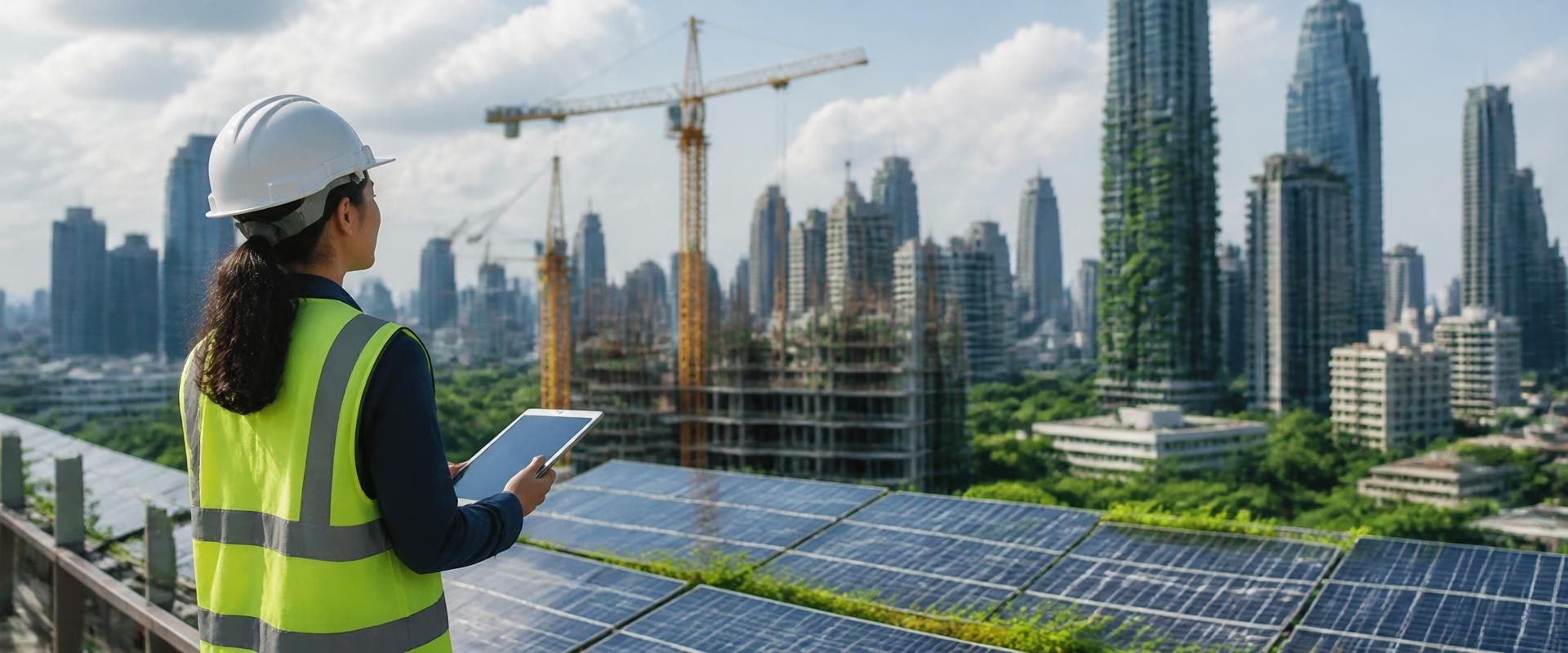
As the world grapples with the increasing consequences of climate change, the impact of climate change on future builds is becoming a critical concern for the construction industry. With rising temperatures, unpredictable weather patterns, and escalating natural disasters, the landscape of residential construction is poised for a significant transformation. Builders, architects, and homeowners alike must adapt to these challenges to create sustainable, resilient living spaces that can withstand the test of time. Imagine a future where homes are not only designed for comfort and aesthetics but also engineered to thrive amidst environmental uncertainties. This vision is not just a possibility but a necessity as we head into an era defined by climate variability.
Innovations in materials, energy efficiency, and design will play pivotal roles in shaping how we construct our residences, ensuring they are equipped to handle the realities of a changing climate. In this article, we will explore the future of construction in a changing climate, examining emerging trends and technologies that are redefining residential builds. From eco-friendly materials to smart home integrations, we will delve into how these advancements can mitigate risks associated with climate change while enhancing the quality of life for future generations. Join us as we navigate this crucial topic and uncover what lies ahead for residential construction in an era increasingly influenced by our planet's shifting climate. As we navigate the realities of a rapidly changing environment, it becomes increasingly essential to understand the impact of climate change on future builds, particularly in regions like California that are highly susceptible to its effects. The construction industry must adapt to the challenges posed by climate change, which includes increased building regulations aimed at sustainability, a heightened demand for energy efficiency, and the necessity for resilient design. These elements are not merely trends but requirements dictated by the shifting climate landscape. The frequency of extreme weather events has surged, affecting how we approach residential construction.
California has experienced devastating wildfires and prolonged droughts, prompting new permit requirements and adaptations from contractors. For instance, after the catastrophic wildfires in recent years, building codes have evolved to incorporate fire-resistant materials and designs that mitigate the risk of fire damage. Homeowners are now required to adhere to stricter guidelines regarding defensible space and fire-resistant landscaping, which directly impacts how new homes are constructed in high-risk areas. Moreover, rising temperatures necessitate energy-efficient designs that can withstand hotter conditions while minimizing energy consumption. The push for green building practices has led to an emphasis on incorporating renewable energy sources, such as solar panels, and high-efficiency HVAC systems in new residential projects.
As homeowners become more aware of their carbon footprint, there is a growing expectation for homes to be built with sustainability in mind. This not only aligns with state regulations but also meets the demand from environmentally conscious buyers. The integration of green building materials and technologies is critical in meeting these evolving standards. Materials such as recycled steel, bamboo flooring, and high-performance insulation not only reduce environmental impact but also enhance the durability and energy efficiency of homes. For example, the use of advanced insulation techniques can help maintain comfortable indoor temperatures despite rising outdoor temperatures, reducing reliance on energy-intensive cooling systems. However, despite the clear benefits of adapting to these changes, some traditionalists within the construction industry may resist this shift towards sustainable practices.
They might argue that newer methods are costly or unproven compared to established practices. Yet, it is vital to counter these arguments with evidence highlighting the long-term benefits of sustainable construction. The initial investment in green technologies often pays off through lower utility bills and reduced maintenance costs over time. Furthermore, homes built with sustainability in mind tend to have higher resale values as buyers increasingly prioritize energy efficiency and environmental responsibility. Ultimately, embracing the impact of climate change on future builds is not just about compliance with regulations; it is about reshaping the future of residential construction in a way that protects both homeowners and the environment.
By acknowledging the realities of our changing climate and adjusting our building practices accordingly, we ensure that residential construction remains resilient, sustainable, and aligned with the needs of future generations.
The Role of Contractors in Adapting to Change
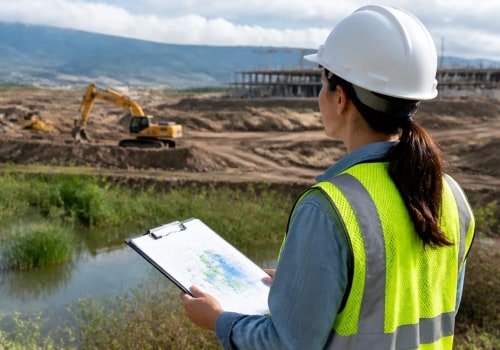
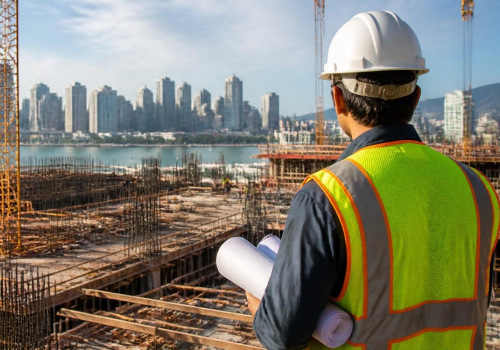
In the face of climate change, contractors are increasingly recognizing the need to adapt their practices to ensure sustainability and compliance with evolving regulations. As extreme weather events become more frequent in California, contractors are rethinking traditional construction methods to enhance resilience against these challenges. One significant adaptation is the incorporation of green building practices. Many contractors are now utilizing sustainable materials and energy-efficient systems that not only comply with new regulations but also appeal to environmentally conscious homeowners. These practices include the use of recycled materials, energy-efficient insulation, and renewable energy sources such as solar panels. Additionally, contractors are investing in training and education programs that keep them abreast of the latest technologies and regulatory changes.This commitment to continuous learning enables them to implement innovative solutions that address the unique challenges posed by a changing climate. Moreover, collaboration with environmental consultants has become a common practice among contractors. By engaging experts in sustainability, they can better assess the environmental impact of their projects and make informed decisions that enhance durability and reduce carbon footprints. As homeowners become more aware of the implications of climate change, contractors who adapt their practices accordingly will not only meet regulatory requirements but also gain a competitive edge in the marketplace. In this evolving landscape, those who embrace change will be well-positioned to thrive in the future of residential construction.
Understanding New Regulations
As climate change continues to pose significant challenges, the regulatory landscape for residential construction in California is evolving rapidly. In response to the increasing urgency of climate impacts, state lawmakers have implemented a series of regulations aimed at enhancing energy efficiency and promoting sustainability in building practices. One of the most notable mandates is the California Energy Code, which sets stringent standards for energy performance in new residential builds.This code requires builders to incorporate renewable energy sources, such as solar panels, into their designs, ensuring that homes not only minimize energy consumption but also contribute to a cleaner power grid. Additionally, the state has introduced regulations aimed at reducing greenhouse gas emissions from buildings. The California Green Building Standards Code, also known as CALGreen, mandates sustainable practices, including water conservation measures and the use of environmentally friendly materials. These regulations reflect a growing recognition of the need for homes that can withstand the impacts of climate change while minimizing their environmental footprint. Moreover, local governments are increasingly adopting their own building codes that address specific regional challenges, such as flood risks or wildfire hazards. For homeowners and contractors alike, staying informed about these evolving regulations is crucial, as non-compliance can lead to costly penalties and project delays. The implications of these regulations extend beyond compliance; they represent a fundamental shift in how we approach residential construction.
Stakeholders must adapt to this changing landscape by prioritizing innovative design solutions and sustainable building practices that align with California's ambitious climate goals.
Sustainable Materials and Practices
As the impact of climate change becomes increasingly evident, the construction industry is witnessing a significant shift towards sustainable building materials and practices. This transition is not just a trend but a necessary adaptation to ensure resilience against the challenges posed by a changing climate. In California, where extreme weather events such as wildfires and flooding are becoming more frequent, the importance of utilizing sustainable materials cannot be overstated. These materials, which often include recycled, reclaimed, or renewable resources, are designed to minimize environmental impact while maintaining high performance and durability standards. Moreover, the adoption of sustainable building practices encompasses a range of strategies aimed at reducing energy consumption and enhancing overall efficiency. Techniques such as passive solar design, rainwater harvesting, and green roofing are becoming integral components of modern residential construction.These practices not only help mitigate the effects of climate change but also contribute to long-term cost savings for homeowners. Stakeholders in the construction industry, including contractors and architects, are increasingly recognizing the value of sustainable practices. Many are seeking certifications such as LEED (Leadership in Energy and Environmental Design) to demonstrate their commitment to sustainability. This shift not only aligns with regulatory requirements but also meets the growing demand from environmentally conscious consumers. As we look toward the future, embracing sustainable materials and practices will be crucial for creating resilient homes that can withstand the challenges posed by climate change. The ongoing evolution in building methodologies presents an opportunity for innovation that benefits both the environment and those who inhabit these spaces.
Future Trends in Residential Design
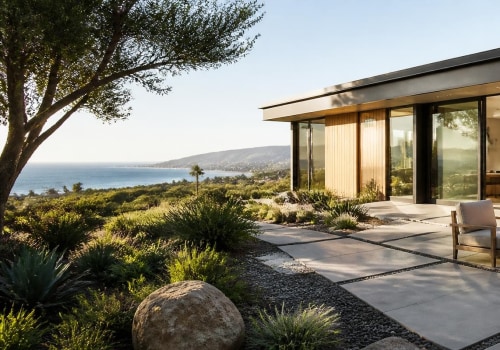
As climate change continues to reshape our environment, the future trends in residential design are increasingly focused on resilience and sustainability.Homeowners and builders alike are recognizing the need for structures that can withstand the impacts of extreme weather events, rising sea levels, and fluctuating temperatures. One emerging trend is the incorporation of green building materials. These materials not only reduce the carbon footprint of a home but also enhance its durability against harsh environmental conditions. For instance, using recycled steel or sustainably sourced wood can contribute to both the longevity and eco-friendliness of residential projects. Another key trend is the design of homes with passive solar features. By maximizing natural light and heat, these designs reduce reliance on artificial heating and cooling systems, thus lowering energy costs and minimizing environmental impact.
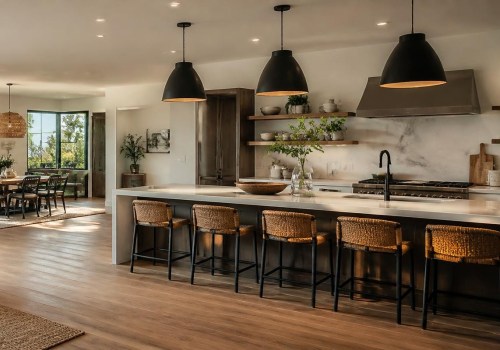
Homeowners are increasingly seeking designs that embrace large windows, thermal mass, and strategic orientation to take full advantage of sunlight. Moreover, the integration of smart technology is becoming essential in modern residential designs. Smart home systems can monitor and manage energy consumption, water usage, and indoor climate control efficiently. This not only enhances comfort but also prepares homes to respond dynamically to changing environmental conditions. The shift towards modular construction is another trend gaining traction. This method allows for quicker assembly on-site and reduces waste during construction.
Additionally, modular homes can be designed with flexibility in mind, enabling them to adapt to future climate challenges. Finally, community-focused designs that emphasize sustainable landscaping and green spaces are becoming more prevalent. These designs not only contribute to biodiversity but also enhance the quality of life for residents by providing natural areas for recreation and relaxation. In summary, as we look towards the future of residential construction in a changing climate, it is clear that trends prioritizing resilience against climate-related challenges will play a crucial role in shaping sustainable living environments. In conclusion, the impact of climate change on future residential construction is profound and multifaceted. As we have explored, the increasing frequency of extreme weather events and rising temperatures necessitate a reevaluation of traditional building practices. Homeowners and contractors must be proactive in understanding new regulations that are emerging to address these challenges.
Embracing sustainable materials and practices is not just a trend but a necessity for resilience in the face of an uncertain future. Furthermore, the future trends in residential design indicate a shift towards more adaptable and environmentally conscious structures. The role of contractors in this transition is crucial; they must lead the charge in implementing innovative solutions that meet both regulatory requirements and the growing demand for sustainability. Ultimately, the responsibility lies with all stakeholders in the residential construction industry to adapt and prepare for the inevitable changes brought on by climate change, ensuring a safe and sustainable living environment for generations to come.