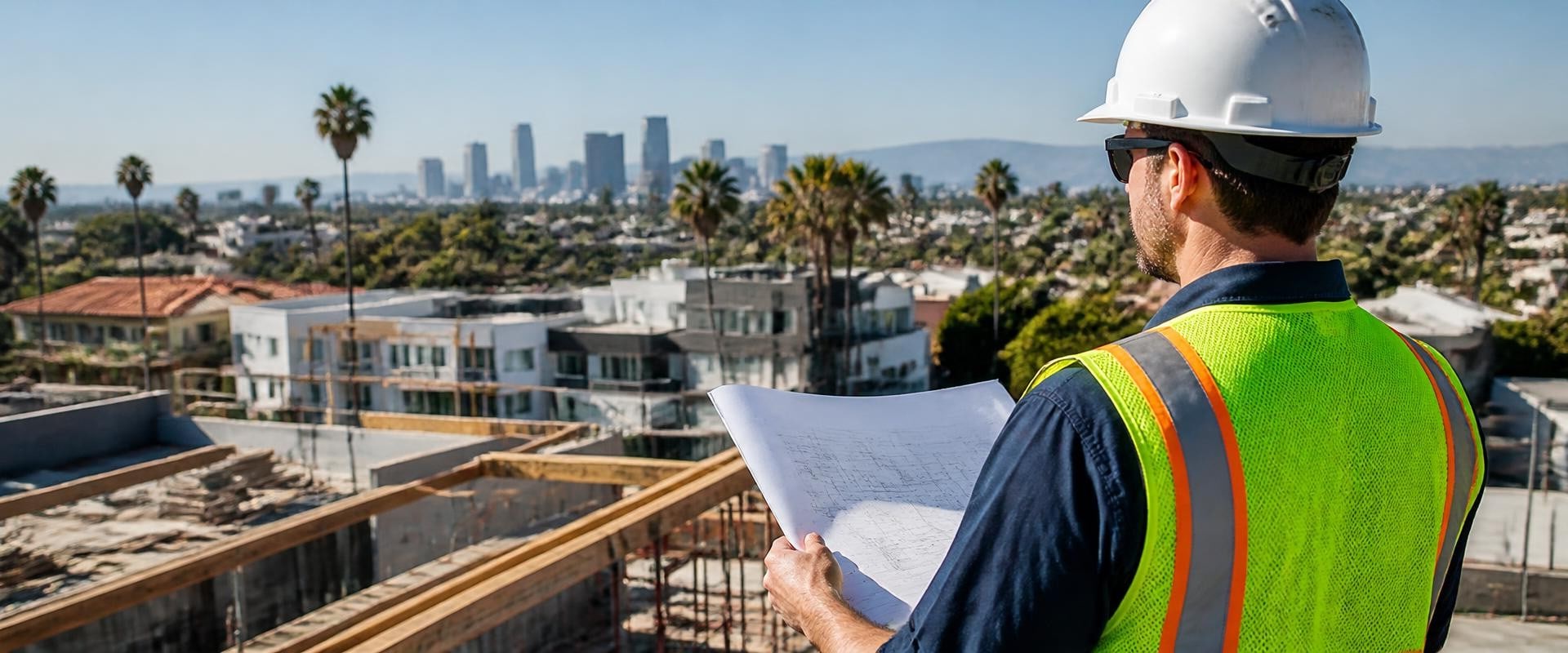
When embarking on a construction project in California, understanding local regulations by city is essential to ensure a smooth process from start to finish. Each city within the Golden State has its own set of rules and guidelines that can significantly impact your construction plans. Whether you are a seasoned contractor or a first-time homeowner, navigating these complex regulations is crucial for the success of your project. California's diverse landscape and unique urban environments mean that what works in one city may not be applicable in another. From zoning laws to building codes, every municipality has tailored its regulations to address local needs, environmental concerns, and community standards.
This variability can be daunting, but it also provides an opportunity to engage with the specific characteristics that make each city unique. In this article, we will explore the intricacies of local construction regulations across various cities in California. By equipping yourself with the knowledge of these regulations, you will not only save time and resources but also avoid potential legal pitfalls down the road. Join us as we delve into the essential aspects of obtaining permits, adhering to safety standards, and ultimately ensuring that your construction project aligns with local expectations. Stay tuned as we guide you through the maze of local regulations and empower you to tackle your construction endeavors with confidence!Understanding local construction regulations is essential for anyone involved in the building industry in California. The state's diverse landscape encompasses a myriad of cities, each with its own set of unique requirements that govern construction practices.
While California does have state-wide guidelines, it is vital to recognize that local municipalities can impose additional rules and regulations that must be adhered to. This variability underscores the importance of being well-informed, particularly for homeowners planning renovations and contractors looking to navigate the complexities of obtaining the necessary licenses and permits. Obtaining a building permit in California generally involves several key steps that can vary based on the city or county in which the project is located. Typically, the process starts with submitting detailed plans that outline the proposed work. Homeowners or contractors will need to gather necessary documentation, which may include architectural drawings, site plans, and engineering reports.
Once these plans are prepared, they must be submitted to the local planning department along with an application form. After submission, applicants are usually required to pay various fees associated with the permit application. These fees can differ significantly between cities, so it is crucial to check with local authorities to understand the specific costs involved. Following payment, the next step is often scheduling inspections. Inspections are a vital part of the permitting process and ensure that construction complies with local safety codes and regulations. In California, there are several common types of permits required for residential renovations.
For instance, electrical permits are necessary for any work involving electrical systems in a home, while plumbing permits are required for any alterations or installations related to plumbing. Additionally, permits for structural changes, such as adding walls or altering foundations, must also be obtained. Each type of permit has its own set of requirements and inspection protocols. Contractors operating in California must also adhere to specific licensing requirements. It is imperative for homeowners to verify a contractor's license status before hiring them for a project.
This can be easily accomplished by visiting the California Contractors State License Board (CSLB) website, where one can check if a contractor is licensed and in good standing. Ensuring that a contractor holds the appropriate licenses not only protects homeowners but also contributes to maintaining industry standards. Recent trends in the construction industry have brought about significant changes in sustainable building codes and zoning laws across various California cities. Many local governments are adopting stricter regulations aimed at promoting environmentally friendly construction practices. This shift towards sustainability may require additional permits or compliance measures for homeowners and contractors alike.
For example, cities may now mandate energy-efficient designs or materials that reduce a building’s carbon footprint. However, navigating these evolving regulations can present challenges. Lengthy approval processes are common and can lead to delays in project timelines. Understanding compliance with local ordinances can also prove complex, especially when city regulations differ from state mandates. These hurdles necessitate thorough research and sometimes professional assistance to ensure all requirements are met. Industry experts often emphasize the necessity of staying updated on local regulations.
As one local official noted, "Being proactive about understanding your city's construction laws can save you time and money down the line." Sharing anecdotes from contractors who have faced difficulties due to unfamiliarity with local laws reinforces this message: those who invest time in understanding their city's specific requirements often experience smoother projects with fewer setbacks. In conclusion, while California provides a broad framework for construction regulations, the unique requirements of each city necessitate careful attention from both homeowners and contractors. By staying informed about local rules and processes related to construction permits, individuals can better navigate the complexities of building projects and ultimately achieve successful outcomes.
City-Specific Regulations
When it comes to local construction regulations in California, it is essential to recognize that each city has its own set of rules and requirements. For instance, Los Angeles, known for its diverse architecture and bustling construction scene, mandates specific zoning laws that can differ significantly from those in other cities. Homeowners and contractors must familiarize themselves with the city's regulations concerning permits, inspections, and compliance to avoid costly delays. In contrast, San Francisco has its unique challenges, particularly regarding its historical buildings and earthquake safety measures.The city's building codes are stringent, especially when it comes to renovations in designated historic districts. Contractors must navigate the intricate process of obtaining the necessary permits while adhering to the city’s preservation standards. Meanwhile, San Diego offers a different landscape with its coastal regulations that often include considerations for environmental impacts and coastal development permits. This means that construction projects near the beach may require additional evaluations to ensure compliance with state and federal guidelines. Overall, understanding the variations in regulations among these major California cities is crucial for anyone involved in construction or renovation projects. By staying informed about local requirements, stakeholders can streamline their processes, ensuring successful project completion while adhering to all necessary regulations.
Understanding Building Permits
Understanding building permits is essential for anyone involved in construction or renovation projects in California.A building permit is a formal approval issued by local government agencies that allows you to proceed with construction or alterations on your property. This process is vital to ensure that all work complies with local building codes, zoning laws, and safety regulations. The permit application process typically begins with the submission of an application form to the appropriate city or county department, often the building department. Along with the application, you will need to provide various required documentation, which may include architectural plans, engineering calculations, and proof of ownership. Some jurisdictions might also require environmental assessments or proof of compliance with local ordinances. Timelines for the permit application process can vary significantly depending on the city and the complexity of the project.
Generally, it may take anywhere from a few weeks to several months for your application to be reviewed and approved. To avoid delays, it is crucial to ensure all documentation is complete and accurate before submission. After obtaining a building permit, you are responsible for scheduling inspections at various stages of construction. These inspections ensure that the work complies with safety standards and local regulations. Failing to obtain the necessary permits can lead to fines, delays, or even having to undo completed work. In summary, navigating the permit application process efficiently requires thorough preparation and an understanding of local requirements.
By staying informed and organized, homeowners and contractors can help ensure their projects proceed smoothly and adhere to all necessary regulations.
Contractor Licensing in California
In California, contractor licensingcontractor licensing is a crucial step for anyone looking to engage in construction projects, whether they are homeowners undertaking renovations or contractors seeking to establish their business. The state has a structured licensing process that ensures all professionals meet specific standards and adhere to local regulations. The first step in the licensing process involves determining the appropriate license type based on the nature of the work. California offers several classifications of licenses, including general contractor licenses (Class B), specialty contractor licenses (Class C), and others that cater to specific trades such as plumbing, electrical, and roofing. Each type has distinct qualifications and requirements that must be fulfilled. To obtain a license, applicants must complete an application with the California Contractors State License Board (CSLB), pass a series of examinations, and provide proof of experience in the field.This process ensures that contractors possess the necessary skills and knowledge to perform their work safely and effectively. Once licensed, it is imperative for contractors to maintain compliance with state regulations. This includes renewing licenses periodically, adhering to continuing education requirements, and staying informed about any changes in local laws or regulations that may affect their work. Failure to comply can result in penalties or loss of licensure, which can severely impact a contractor's ability to operate. Understanding the contractor licensing process in California is essential for both contractors and homeowners alike. It not only protects consumers but also fosters a professional environment within the construction industry.
By ensuring that all parties are aware of and comply with licensing requirements, projects can proceed smoothly, minimizing legal complications and ensuring quality workmanship.
Latest Trends in California Construction
In recent years, the construction industry in California has seen a significant shift towards sustainability and innovation. As homeowners and contractors become increasingly aware of environmental issues, the use of eco-friendly materials has gained popularity. These materials not only reduce the environmental impact of construction but also enhance the overall efficiency and durability of buildings. For instance, builders are now opting for recycled materials, such as reclaimed wood and recycled metal, which contribute to a lower carbon footprint. Additionally, many construction projects are incorporating green building practices, such as energy-efficient designs and sustainable landscaping, to meet both local regulations and the growing demand for environmentally responsible homes. Another emerging trend in California construction is the integration of smart home technologies.Homeowners are increasingly seeking homes equipped with advanced technology that enhances convenience, security, and energy efficiency. Features like smart thermostats, automated lighting systems, and security cameras are becoming standard in new constructions. These technologies not only provide a modern living experience but also help homeowners monitor and reduce their energy consumption. As cities across California update their construction regulations to accommodate these trends, it is essential for contractors and homeowners alike to stay informed about the latest developments. Understanding how to effectively incorporate eco-friendly materials and smart technologies into construction projects can lead to increased property value and compliance with local codes. In conclusion, the movement towards sustainability and technological advancement is reshaping the landscape of construction in California.
By embracing these trends, builders can ensure they are not only meeting current regulations but also preparing for a future where eco-friendliness and innovation are paramount. In conclusion, being well-informed about local construction regulations is essential for anyone undertaking projects in California. Understanding the specific requirements set forth by each city can make a significant difference in the success of your renovation or construction project. We encourage readers to consult their local city planning departments to ensure they have the most accurate and up-to-date information regarding permits and regulations. This proactive approach can prevent costly delays and legal issues. Additionally, staying engaged with industry news can provide valuable insights into emerging trends and changes that may impact your projects. Knowledge is power, and being informed will ultimately save you time and resources.