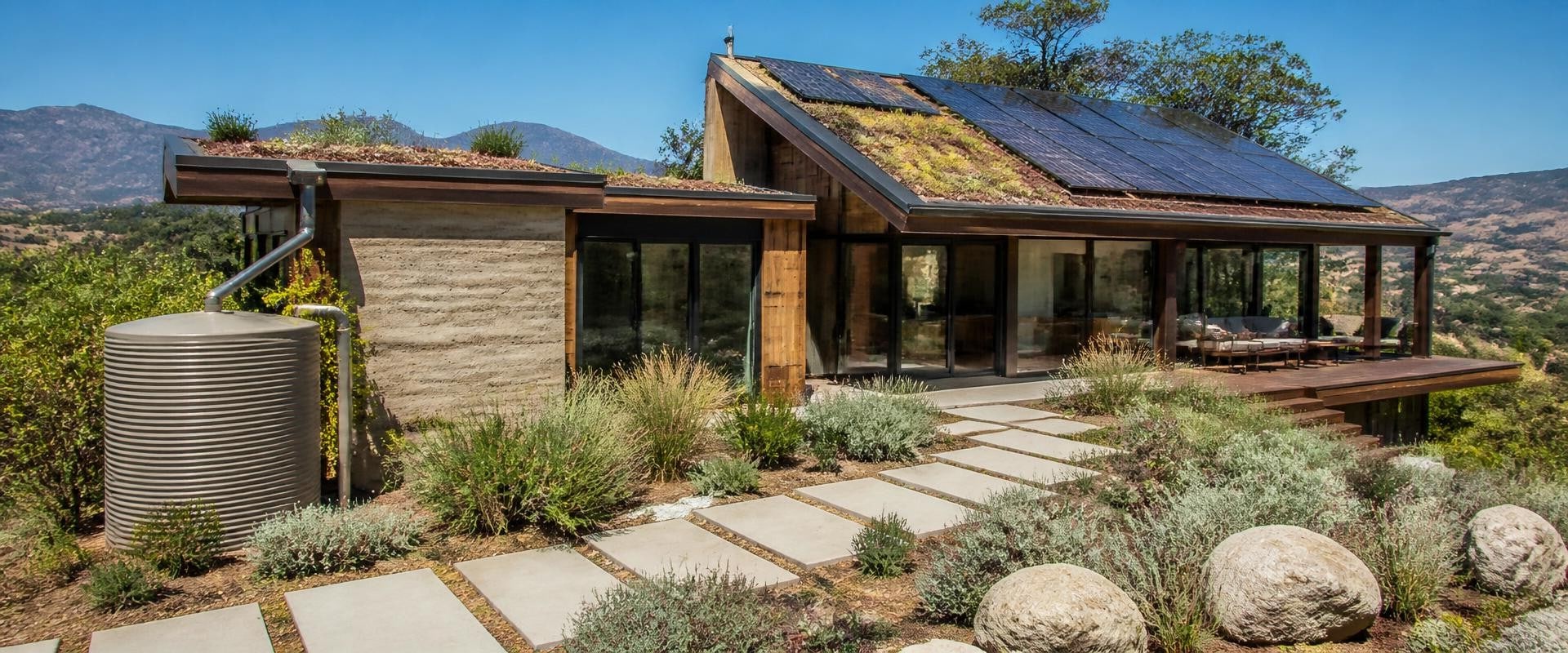
In an era where environmental consciousness is at the forefront of architectural innovation, sustainable materials in residential buildssustainable materials in residential builds have emerged as a critical focus for both builders and homeowners alike. California, known for its vibrant culture and progressive values, is leading the charge in adopting innovative approaches to sustainable construction practices. As climate change continues to challenge our traditional building methods, the need for eco-friendly solutions has never been more urgent. This article delves into the latest trends that are reshaping the landscape of residential construction in California. From the use of recycled materials to cutting-edge technologies that enhance energy efficiency, we will explore how these advancements not only minimize environmental impact but also elevate the aesthetic and functional qualities of homes.
With a growing emphasis on sustainability, it is essential for homeowners, architects, and builders to stay informed about these transformative practices. Join us as we uncover the myriad of sustainable materials gaining traction in California's residential builds, examining their benefits and potential applications. Discover how embracing these innovative strategies can lead to not just greener homes, but also healthier living environments that contribute positively to our communities and planet. In recent years, the conversation surrounding sustainable materials in residential builds has gained significant momentum, particularly in California. This state is at the forefront of environmental consciousness and sustainable construction practices, driven by increasing demand for eco-friendly solutions that align with both consumer preferences and stringent regulations. The importance of sustainability in residential construction cannot be overstated, as it plays a critical role in addressing environmental concerns, enhancing energy efficiency, and promoting health and well-being within homes. Among the various sustainable materials commonly employed in California residential construction, bamboo stands out due to its rapid renewability and strength.
Bamboo is a grass that can grow up to three feet in a single day, making it an incredibly sustainable option for flooring and cabinetry. It offers durability comparable to hardwood while being more environmentally friendly. Moreover, the use of bamboo aligns with California’s building codes, which encourage materials that reduce the overall carbon footprint of residential buildings. Another popular choice is reclaimed wood, which not only adds character and aesthetic appeal to homes but also significantly reduces waste. By repurposing wood from old barns, factories, or other structures, builders can minimize deforestation and lower the demand for new lumber.
Reclaimed wood often comes with a unique history and charm that can enhance the overall design of a home. Successful projects around California have showcased the beauty of reclaimed wood in everything from beams to flooring.
Recycled steel
is another material gaining traction in sustainable construction. Steel has a high recycling rate and can be repurposed without losing its structural integrity. Utilizing recycled steel in framing or roofing not only reduces the demand for virgin materials but also contributes to energy efficiency due to its reflective properties.Projects utilizing recycled steel have been implemented successfully across California, demonstrating both economic and environmental benefits. The use of low-VOC paints further emphasizes a commitment to sustainability in residential builds. Volatile organic compounds (VOCs) found in traditional paints can adversely affect indoor air quality and contribute to environmental pollution. Low-VOC paints are formulated to minimize these emissions, creating healthier living environments while ensuring compliance with California's strict air quality regulations. By choosing low-VOC options, homeowners not only contribute to sustainability but also promote better health for their families. Insights from contractors and builders who specialize in sustainable construction practices reveal that while the benefits of these materials are clear, challenges do exist.
One major hurdle is the initial cost associated with sourcing high-quality sustainable materials. However, many builders argue that these costs are offset over time through energy savings and reduced maintenance needs. Additionally, establishing relationships with suppliers who focus on sustainability can help mitigate availability issues and lead to better pricing structures. Technology plays a crucial role in sourcing and utilizing sustainable materials effectively. Innovations in material science have led to the development of new sustainable options and improved methods for recycling existing materials.
For instance, advances in composite materials allow builders to create products that are both durable and environmentally friendly. Digital platforms now exist that connect builders with sustainable material suppliers, making it easier to source eco-friendly options tailored to specific projects. For homeowners looking to integrate sustainable materials into renovations or new builds, it’s essential to collaborate closely with architects and contractors who prioritize eco-friendly practices. Understanding local laws and building codes related to sustainability is crucial for compliance and maximizing the benefits of these materials. Homeowners can take proactive steps by researching available options and discussing their goals with professionals who have experience in implementing sustainable solutions. By embracing sustainable materials in residential builds, homeowners not only contribute positively to the environment but also enhance the value and livability of their homes.
California's focus on eco-friendly construction is paving the way for a more sustainable future, setting an example for other regions aiming to achieve similar goals.
Understanding California Building Regulations
California is at the forefront of sustainable construction, driven by stringent building regulations that promote the use of sustainable materials. Key regulations include the California Green Building Standards Code, commonly known as CALGreen, which sets mandatory measures for energy efficiency, water conservation, and the use of eco-friendly materials. This code not only establishes standards for new residential buildings but also encourages the adoption of innovative practices that enhance sustainability. In addition to CALGreen, local jurisdictions may impose additional requirements based on specific environmental conditions and community goals. For instance, municipalities may have their own sustainable building codes that go beyond state mandates, requiring builders to integrate renewable energy sources such as solar panels or to adhere to stricter waste management practices during construction. Obtaining the necessary permits for sustainable construction can be complex but essential.Builders must ensure compliance with various local and state regulations, which often involves submitting detailed plans that outline the use of sustainable materials and methods. Failure to comply can result in delays or penalties, making it crucial for developers to stay informed about current regulations. Moreover, California's commitment to reducing greenhouse gas emissions means that builders are increasingly incentivized to utilize energy-efficient materials and technologies. Programs such as the Title 24 Energy Standards provide guidelines that not only enhance energy performance but also offer potential financial incentives for projects that exceed baseline requirements. Overall, understanding California's building regulations is vital for any residential construction project aiming to incorporate sustainable materials. By aligning with these regulations, builders can contribute to environmental preservation while also meeting the growing demand for eco-conscious homes.
Trends Shaping Sustainable Residential Construction
In recent years, the residential construction industry has witnessed a significant shift towards sustainability, driven by both consumer demand and regulatory frameworks.Homeowners and contractors alike are increasingly adopting sustainable materials that not only minimize environmental impact but also enhance the overall quality of living spaces. One prominent trend is the use of recycled and upcycled materials. Builders are now sourcing materials such as reclaimed wood, recycled steel, and repurposed bricks to reduce waste and lower the carbon footprint of their projects. This not only conserves natural resources but also adds unique character to homes. Another key development is the rise of biodegradable and renewable materials. Products made from natural fibers, such as bamboo and cork, are gaining popularity due to their sustainable properties and aesthetic appeal.
These materials are often more energy-efficient in production and contribute to better indoor air quality. Moreover, the incorporation of smart home technology into residential builds is becoming a standard practice. Smart systems that monitor energy usage and optimize efficiency not only help homeowners save on utility bills but also reduce overall energy consumption, aligning with sustainable practices. The trend towards passive house design is also reshaping the landscape of residential construction. This approach focuses on maximizing natural light, ventilation, and insulation to minimize reliance on heating and cooling systems, thereby promoting energy efficiency. Lastly, many builders are turning to local sourcing of materials to reduce transportation emissions and support local economies. By choosing locally produced goods, contractors can help foster community resilience while ensuring that their projects adhere to sustainable practices. As these trends continue to evolve, it is crucial for homeowners and contractors to stay informed about the latest innovations in sustainable materials.
Embracing these practices not only contributes to environmental well-being but also enhances the longevity and value of residential properties.
Popular Sustainable Materials in California Homes
As the push for sustainability in residential construction intensifies, California homeowners and builders are increasingly turning to sustainable materials that not only minimize environmental impact but also enhance the overall quality of homes. This section will explore some of the most popular sustainable materials being utilized in California homes, along with their benefits and real-world case studies. One widely adopted material is bamboo. Known for its rapid growth and renewability, bamboo is a strong alternative to traditional hardwoods. It can be used for flooring, cabinetry, and furniture.A notable case study is the Green Building Initiative project in San Francisco, where bamboo flooring was implemented, resulting in a significant reduction in carbon footprint compared to conventional wood. Another innovative material gaining traction is recycled steel. Steel is one of the most recycled materials globally, making it an excellent choice for framing and roofing. Using recycled steel helps reduce waste and energy consumption associated with the production of new steel. The California Academy of Sciences in San Francisco showcases how recycled steel can be effectively used in large-scale construction, contributing to both sustainability and structural integrity.
Reclaimed wood
is another sustainable option that adds character and history to homes.This material is sourced from old buildings, barns, or furniture and can be reused for flooring, beams, and decorative elements. A successful application of reclaimed wood can be seen in the EcoHouse Project in Los Angeles, which emphasizes the aesthetic appeal and environmental benefits of using salvaged materials.
Insulation
made from sheep's wool or cellulose (often derived from recycled paper) is also gaining popularity due to its effectiveness and eco-friendliness. These materials not only provide excellent thermal performance but also contribute to indoor air quality. The Sustainable Home Initiative in Santa Barbara has incorporated these insulation types into its designs, demonstrating their effectiveness in reducing energy costs. Finally, low-VOC paints and finishes are essential for maintaining a healthy indoor environment.These products emit fewer volatile organic compounds compared to traditional paints, reducing air pollution within homes. The Healthy Homes Project in Oakland has utilized low-VOC finishes extensively, ensuring that the homes are safe for occupants while also being environmentally responsible. The integration of these sustainable materials not only supports California's commitment to environmental responsibility but also provides homeowners with long-term benefits such as durability, energy efficiency, and potential cost savings. As more builders and designers embrace these materials, the future of residential construction looks increasingly green. In summary, the adoption of sustainable materials in residential construction is not just a trend; it is a vital step towards creating a more eco-friendly future. With California leading the way in environmental consciousness, homeowners and builders alike must recognize the importance of integrating these materials into their projects.
By choosing eco-friendly options, individuals can not only enhance the energy efficiency of their homes but also significantly reduce waste and lower long-term costs. Furthermore, adhering to California's stringent regulations on sustainable building practices ensures a healthier home environment for families while contributing positively to the broader community and our planet. We encourage all stakeholders in the residential construction sector to embrace these innovative approaches, paving the way for a sustainable future.