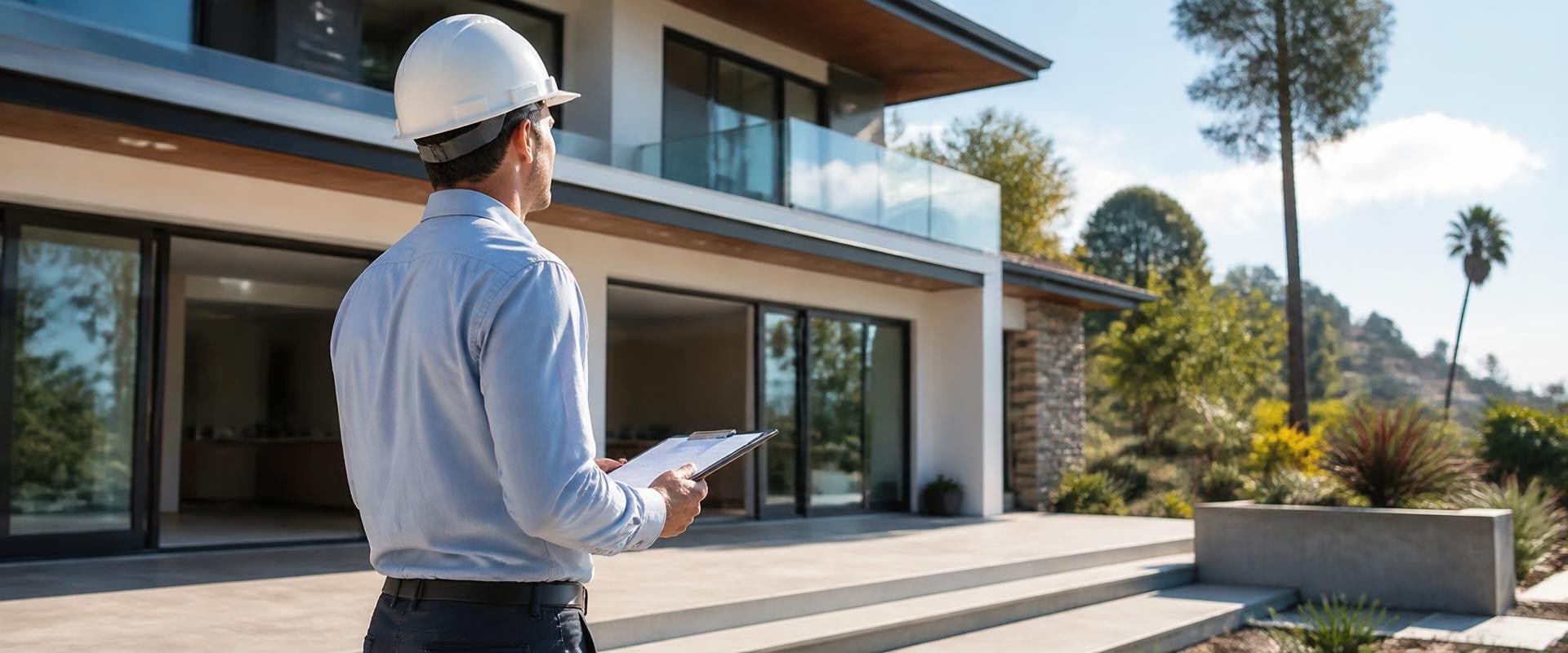
As you approach the final stages of your construction project in California, the excitement of seeing your vision come to life can be overshadowed by the complexities of finalizing permits and compliance checks. Navigating through the intricate web of regulations and requirements may feel daunting, but understanding this critical phase is essential for a successful project completion. In this comprehensive guide, we will delve into the essential steps you need to take to ensure that your construction project not only meets local standards but also adheres to safety and environmental regulations. From understanding the significance of obtaining the right permits to conducting thorough compliance checks, we aim to equip you with the knowledge necessary to navigate these final hurdles with confidence. Join us as we explore the intricacies of finalizing permits and compliance checks, empowering you to move forward with your renovation plans smoothly. With careful planning and attention to detail, you can transform what may seem like a stressful process into a manageable and rewarding journey. In California, the construction landscape is heavily regulated, and understanding the various types of permits required for different projects is crucial for homeowners and contractors alike.
Each project type, whether residential renovations or commercial builds, has its unique set of permitting requirements. For instance, a simple home remodel may only require a building permit, while a new commercial structure might necessitate multiple permits including zoning, environmental impact assessments, and specific use permits. The process of obtaining these permits can be complex and time-consuming. Generally, the first step involves submitting an application to the local planning department, which includes necessary documentation such as architectural plans, site plans, and details regarding the materials to be used. The fees associated with permit applications can vary widely based on the project's scope and location; homeowners should expect to pay anywhere from a few hundred to several thousand dollars.
Additionally, timelines can fluctuate based on the volume of applications in review and the specifics of the project, with some permits being issued in a matter of weeks while others may take months. Once the permits are obtained, it is essential to understand the significance of compliance checks at various stages of construction. These checks ensure that all work adheres to local building codes and safety regulations. Compliance checks typically occur at critical points during the construction process, such as after foundation work is completed or before framing is enclosed. Inspectors from local government agencies conduct these checks, assessing everything from structural integrity to electrical systems. For example, in residential renovations, compliance checks may focus primarily on safety and livability standards, while in commercial projects, inspectors will scrutinize additional factors such as accessibility compliance under the Americans with Disabilities Act (ADA) and fire safety regulations.
The differences in permit requirements highlight the importance of having knowledgeable professionals involved who understand the nuances of each type of project. However, both contractors and homeowners often encounter common pitfalls when finalizing permits and compliance checks. One major issue is failing to provide complete documentation during the application process, which can lead to delays or outright denials. To avoid this, it's advisable to consult with a permit expediter or an experienced contractor who can guide you through the necessary paperwork. Another frequent problem is underestimating the timeline for obtaining permits.
Many projects get stalled because contractors assume they will receive approval quickly when in reality, they should factor in additional time for potential revisions or inspections. Addressing misconceptions about permits and compliance checks is also vital for a smooth construction experience. Some homeowners believe that once they have obtained a permit, they can proceed without further oversight; however, this is not the case. Continuous compliance with local regulations throughout the construction process is essential, and failure to adhere can lead to fines or even having to tear down completed work. It’s important to clarify that obtaining a permit does not guarantee automatic approval at subsequent inspection stages. In conclusion, navigating the final steps of your construction project requires diligence in finalizing permits and ensuring thorough compliance checks.
By understanding the types of permits required for various projects, knowing how to obtain them efficiently, recognizing the role of compliance checks, avoiding common pitfalls, and addressing misconceptions head-on, homeowners and contractors can save significant time and resources while minimizing legal risks.
Compliance Checks: What to Expect
Compliance checks are an essential part of the construction process, particularly in California, where regulations are stringent to ensure public safety and environmental protection. These checks involve a thorough inspection of the construction site and the work completed to verify that it adheres to local building codes, zoning laws, and other regulatory requirements. The importance of compliance checks cannot be overstated. They help ensure that the project is safe for occupants and complies with legal standards, thereby minimizing the risk of accidents or health hazards. Furthermore, passing these checks is crucial for obtaining final approval from local authorities, which is necessary before a homeowner can occupy or use the newly constructed space. During a compliance check, inspectors will evaluate various aspects of the construction, including structural integrity, electrical systems, plumbing, and fire safety measures.The process typically involves reviewing blueprints and plans, examining materials used, and conducting on-site inspections. Inspectors may also require documentation proving that specific materials meet state standards or that certain processes were followed during construction. Homeowners and contractors should be prepared for compliance checks by ensuring that all necessary paperwork is in order, including permits and inspection reports from previous stages of construction. Open communication with inspectors can also facilitate a smoother inspection process and help address any potential issues early on.
Common Challenges in Finalizing Permits
Finalizing permits and compliance checks can often feel like navigating a labyrinth for many homeowners and contractors. Understanding the common challenges that arise during this process can help mitigate delays and streamline your project. One of the most prevalent issues is insufficient documentation.Many applicants may overlook necessary documents or fail to provide adequate detail, leading to delays in approval. To overcome this, it’s essential to create a comprehensive checklist of all required documents before submission. Consulting with a professional who has experience in the permitting process can also ensure that nothing is missed. Another challenge is miscommunication with local authorities. Permitting agencies often have specific requirements that can change frequently.
Regularly checking in with your local planning department can help clarify any uncertainties and keep you updated on the latest regulations. Additionally, establishing a point of contact within the agency can facilitate smoother communication. Furthermore, inspections can pose a challenge if they do not occur as scheduled. Delays in inspections can stall progress and increase costs. To alleviate this issue, it’s advisable to schedule inspections well in advance and confirm appointments ahead of time.
Having your project prepared for inspection will also help ensure that it passes on the first attempt, avoiding further delays. Lastly, zoning issues may arise when the proposed project does not comply with local zoning laws. This can lead to rejections or significant alterations to project plans. Engaging a zoning consultant early in the process can help identify potential issues, allowing for adjustments before submission. By being aware of these common challenges and implementing practical solutions, homeowners and contractors can better navigate the final steps of their construction projects while ensuring compliance with California regulations.
Staying Updated on Regulations
In the ever-evolving landscape of construction in California, it is crucial for both homeowners and contractors to stay updated on regulations that govern their projects. Changes in laws and codes can occur frequently, impacting everything from safety requirements to permitting processes.To navigate these changes effectively, it is essential to utilize reliable resources that provide current information. One of the best places to start is the official website of the California Department of Housing and Community Development (HCD). This site offers comprehensive information about state regulations, updates on building codes, and links to local building departments. Additionally, subscribing to newsletters from the HCD can ensure that you receive timely updates directly in your inbox. Another valuable resource is local government websites. Many counties and cities have dedicated sections for building and safety that outline specific local ordinances and amendments to state laws.
Checking these sites regularly can help you stay informed about any new requirements that may affect your project. Professional organizations such as the California Building Industry Association (CBIA) also offer resources tailored for contractors and homeowners. Their publications often cover industry news, changes in legislation, and best practices for compliance. Joining such organizations or participating in their events can provide networking opportunities and insights into the latest developments in construction regulations. Finally, consider utilizing social media platforms and industry forums where professionals discuss regulatory changes and share experiences. Engaging with these communities can enhance your understanding of the practical implications of new regulations and how others are adapting to them. By proactively seeking out these resources, homeowners and contractors can better prepare for compliance checks and avoid potential pitfalls associated with outdated information.
Staying informed is not just a best practice; it is an essential step towards ensuring a smooth finalization of permits and compliance checks in your construction journey.
Understanding California’s Permit System
In California, navigating the construction landscape requires a solid understanding of the various types of building permits. Each permit serves a specific purpose and is crucial for ensuring that your project adheres to local regulations and safety standards.Zoning permits
are typically the first step in the permitting process. These permits ensure that your project complies with local zoning laws, which dictate how land can be used. Zoning laws can vary significantly from one municipality to another, so it is essential to check local regulations before proceeding. Next, structural permits are required for any construction that involves alterations to a building's structure.This includes new construction, renovations, and significant repairs. Structural permits ensure that the design meets safety and building codes, which are critical for the integrity of the structure. Additionally, there are mechanical, electrical, and plumbing (MEP) permits that govern the installation and modification of mechanical systems, electrical systems, and plumbing systems within a building. These permits ensure that all installations meet safety standards and function correctly within the overall design. Furthermore, if your project involves changes to the exterior appearance of a building or property, you may need a design review permit. This permit evaluates the aesthetic aspects of your project to ensure it aligns with community standards and guidelines. Lastly, environmental permits may be necessary if your construction project impacts natural resources or habitats.
These permits are crucial for ensuring that development does not harm the environment and complies with state and federal regulations. Understanding these various types of permits is essential for homeowners and contractors alike. Not only does it help in avoiding potential legal issues and fines, but it also streamlines the construction process by ensuring that all necessary approvals are obtained before work begins.
The Permit Application Process
Applying for a permit is a crucial step in ensuring that your construction project complies with California regulations. The process can seem daunting, but understanding the necessary steps can simplify it significantly.Step 1: Determine the Type of Permit Needed
Before you begin the application process, it’s essential to identify the specific type of permit required for your project. This could include building permits, electrical permits, plumbing permits, or zoning permits, depending on the nature of your renovations.Step 2: Gather Required Documents
The next step involves collecting all necessary documents.Commonly required documents include:
- Site plans that show the proposed changes
- Construction drawings and specifications
- Proof of property ownership or authorization from the property owner
- Any previous permits related to the property
Step 3: Complete Application Forms
Once you have gathered all the required documents, you will need to fill out the appropriate application forms. These forms can typically be found on your local municipality’s website or at their office. Ensure that all information is accurate and complete to avoid delays in processing.Step 4: Submit Your Application
With your documents and forms ready, the next step is to submit your application. This can often be done online, but some jurisdictions may require in-person submissions.Pay attention to any fees associated with the application process, as these must be paid at the time of submission.
Step 5: Await Review and Approval
After submission, your application will undergo a review process by local officials. This phase may take several weeks, during which they will assess compliance with zoning laws, building codes, and other regulations. You may be contacted for additional information or modifications to your application during this time.Step 6: Receive Your Permit
If your application is approved, you will receive your permit, which allows you to begin work legally. Make sure to keep this document on-site during construction, as it may need to be presented for inspections. By following these steps diligently, you can navigate the permit application process more effectively, ensuring that your construction project proceeds smoothly and in compliance with California laws. In conclusion, understanding finalizing permits and compliance checks is crucial in the construction process in California.As we discussed, navigating California’s permit system, the intricacies of the permit application process, and what to expect during compliance checks are all essential components that can significantly impact your project. By being aware of common challenges in finalizing permits and staying updated on regulations, homeowners and contractors can avoid unnecessary delays and expenses, ensuring a smoother construction experience. Approaching your project with this knowledge not only enhances your confidence but also fosters a more efficient workflow. We encourage you to reach out to local authorities or industry professionals for personalized assistance tailored to your specific needs. Their expertise can provide invaluable support and guidance, helping you to successfully navigate the final steps of your construction project.