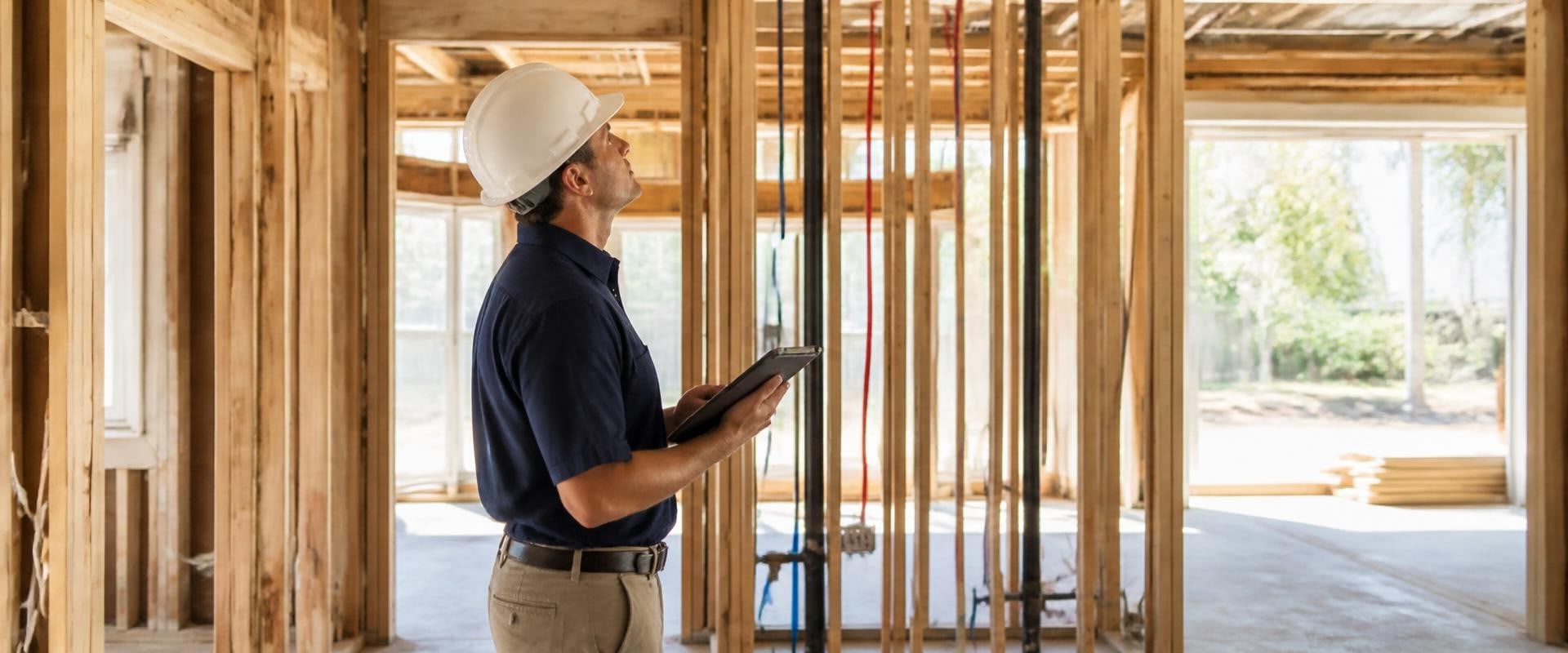
Renovating your home can be an exciting journey, allowing you to transform your living space into a reflection of your personal style and needs. However, amidst the excitement, there lies a crucial aspect that many homeowners overlook: inspections during renovations. In California, understanding the inspection process is not just a bureaucratic hurdle; it's a fundamental part of ensuring the safety, legality, and quality of your renovation project. As you embark on this transformative venture, it’s essential to recognize that inspections serve as a safeguard against potential issues that could arise during or after your renovations. Whether you're upgrading your kitchen, adding a new room, or completely overhauling your property's layout, inspections play a vital role in compliance with state and local building codes.
Ignoring this step can lead to costly mistakes, delays, and even legal repercussions. This article aims to demystify the inspection process during renovations in California. We will explore what types of inspections are typically required, the timeline for these inspections, and how to prepare for them effectively. By equipping yourself with this knowledge, you can ensure that your renovation project not only meets your expectations but also adheres to necessary regulations. So, let’s dive into the world of inspections during renovations and uncover everything you need to know to navigate this essential aspect of home improvement.
Inspections during renovations
play a crucial role in ensuring that home improvement projects meet safety standards and comply with local building codes.In California, various types of inspections are mandated throughout the renovation process, including structural, electrical, plumbing, and final inspections. Each type of inspection serves a specific purpose and is designed to protect both the integrity of the structure and the safety of its occupants. The significance of obtaining building permits cannot be overstated. These permits are essential for compliance with local laws and regulations. Before any major renovation project begins, homeowners must secure the appropriate permits, which signal to local authorities that the planned work is reviewed and approved.
The permit process often includes initial inspections to ensure that plans align with state and local codes, setting the stage for subsequent inspections as the project progresses. Common renovation projects that typically require inspections include kitchen remodels, room additions, and major alterations to existing structures. For instance, in a kitchen remodel, inspections may be necessary to check the plumbing for leaks, ensure electrical installations meet safety standards, and confirm that structural changes do not compromise the building's integrity. Similarly, a room addition often entails multiple inspections to verify that the new construction adheres to zoning laws and building codes. The timeline of inspections during renovations is an important aspect that affects the overall renovation schedule. Inspections are generally conducted at key milestones throughout the project.
For example, after framing is completed but before drywall installation, a framing inspection may be necessary. Homeowners should expect multiple visits from inspectors at various stages of the renovation, with each inspection designed to catch potential issues early on. Preparing for an inspection requires homeowners to understand what to expect. Typically, inspectors will examine areas related to structural integrity, safety features, and compliance with building codes. Homeowners should ensure that work areas are accessible and that any required documentation, such as plans or permits, is readily available for review.
Having a licensed contractor present can also facilitate the inspection process, as they will be familiar with code requirements and can address any questions or concerns that arise. The consequences of failing an inspection can be significant. Not only can this lead to costly delays in the renovation schedule, but it may also necessitate rework that could have been avoided with proper oversight. Failing an inspection might also result in fines or additional fees imposed by local authorities. This highlights the importance of hiring licensed contractors who understand the inspection process and have experience working within California's regulatory framework. Addressing potential disagreements or misconceptions about inspections during renovations is essential for homeowners.
Some may believe that inspections are merely bureaucratic hurdles; however, they serve as critical checkpoints designed to protect investments and ensure safety. Others may think they can skip certain inspections if they are doing minor work, but this can lead to significant legal and financial repercussions down the line if problems occur or if a property is sold without proper documentation. In conclusion, understanding the various types of inspections required during renovations and their role within the building permit process is vital for homeowners and contractors alike. By recognizing the importance of these inspections, preparing adequately for them, and hiring qualified professionals, homeowners can navigate their renovation projects successfully while minimizing risks and avoiding costly mistakes.
Hiring Licensed Contractors
When embarking on a renovation project, one of the most critical steps is hiring licensed contractors. These professionals not only bring expertise and experience to the table but also ensure that your project adheres to all necessary regulations and standards. Licensed contractors are familiar with the inspection processes required during renovations.They understand what inspectors look for and can help you navigate these inspections smoothly. This familiarity can significantly reduce the chances of unexpected issues arising during the renovation, which could delay your project or lead to costly corrections later. Moreover, working with licensed professionals provides you with added peace of mind. These contractors are required to meet specific state qualifications and adhere to ethical practices, ensuring that your renovation is completed safely and effectively. By choosing licensed contractors, homeowners can minimize risks and enhance the overall quality of their renovation projects. In California, where building codes and regulations can vary widely by region, having a contractor who is knowledgeable about local laws is invaluable.
They will not only manage the project effectively but will also ensure compliance with all necessary inspections during renovations, leading to a successful outcome.
The Role of Building Permits
Building permits are essential documents that homeowners and contractors must obtain before commencing any major renovation work in California. These permits ensure that all planned renovations comply with local building codes and regulations designed to guarantee the safety and integrity of structures. When a homeowner applies for a building permit, the local building department evaluates the proposed plans to ensure that they meet safety standards, zoning laws, and other relevant regulations. This evaluation process is crucial as it helps identify potential issues before they arise during construction, which can ultimately save time and money. Once the building permit is granted, it sets in motion a series of required inspections throughout the renovation process. These inspections serve as checkpoints to verify that the work being done aligns with the approved plans and adheres to safety codes.For example, structural integrity, electrical systems, plumbing installations, and energy efficiency are all areas subject to inspection. Without obtaining a building permit, homeowners risk facing significant fines and may even be required to undo completed work, causing delays and additional costs. Furthermore, failing to secure necessary inspections can lead to unsafe conditions that jeopardize the well-being of occupants and the durability of the home. In summary, building permits are intrinsically linked to inspections in the renovation process. They play a vital role in ensuring that renovations are executed safely, legally, and effectively. Understanding this connection helps homeowners and contractors navigate the complexities of renovation projects while minimizing potential pitfalls.
Types of Inspections During Renovations
When undertaking renovations in California, it is crucial to understand the various types of inspections that may be required.These inspections are designed to ensure that the renovation project complies with local building codes and safety regulations. Below are some common types of inspections that homeowners and contractors may encounter during the renovation process.
1.Structural Inspections:
These inspections focus on the integrity of the building's structure. They assess whether any changes made to load-bearing walls, beams, or foundations are safe and compliant with building codes. Structural inspections are vital for ensuring that the renovation does not compromise the building's stability.2.Electrical Inspections:
Renovations often involve modifications to electrical systems.An electrical inspection evaluates the safety and compliance of wiring, outlets, and fixtures. It ensures that all electrical work meets the standards set by the National Electrical Code (NEC) and local regulations.
3.Plumbing Inspections:
Similar to electrical inspections, plumbing inspections are necessary when alterations are made to plumbing systems. This inspection checks for proper installation of pipes, fixtures, and drainage systems, ensuring they function correctly and do not pose any health risks.4.Mechanical Inspections:
If the renovation includes changes to heating, ventilation, or air conditioning (HVAC) systems, a mechanical inspection is required. This inspection ensures that HVAC systems are installed correctly and operate efficiently to provide comfort and maintain air quality.5.Final Inspections:
After all renovations are completed, a final inspection is conducted to verify that the entire project adheres to local codes and regulations.This inspection is essential for obtaining a certificate of occupancy or other final approvals required by local authorities. Understanding these various types of inspections can help homeowners and contractors navigate the renovation process more effectively, ensuring safety and compliance while avoiding costly mistakes.
Consequences of Failing an Inspection
When it comes to home renovations in California, passing inspections is a crucial part of the process.Inspections during renovations
are designed to ensure that all work meets safety standards and complies with local building codes. However, if a project fails an inspection, the consequences can be significant. Firstly, failing an inspection can lead to delays in the renovation timeline. The inspector will provide a list of issues that need to be addressed before the project can proceed.This means that homeowners and contractors will need to invest additional time and resources to correct these deficiencies, which can prolong the renovation process and increase costs. Additionally, if a project fails an inspection, it could result in fines or penalties imposed by local authorities. These costs can quickly add up, making what was intended to be a cost-effective renovation turn into a financial burden. It is essential for both homeowners and contractors to take inspections seriously to avoid these unnecessary expenses. Moreover, failing an inspection can also lead to structural issues in the future. If problems are not resolved properly, they could compromise the safety and integrity of the home.
For example, electrical or plumbing issues that fail inspection may pose serious risks if they are not corrected before the work is completed. To address issues identified during an inspection failure, it’s important to review the inspector's report thoroughly. Homeowners and contractors should prioritize the listed items, making necessary corrections promptly. Once the issues have been resolved, a re-inspection can be requested. It’s advisable to keep records of all changes made as this documentation can be beneficial in ensuring compliance and may be required for future inspections. In summary, understanding the consequences of failing an inspection is essential for anyone involved in home renovations in California.
By prioritizing compliance and addressing any issues promptly, homeowners and contractors can avoid costly mistakes and ensure a smoother renovation process.
Preparing for an Inspection
Preparing for an inspection during renovations is a crucial step that can significantly influence the outcome of your project. Whether you are a homeowner or a contractor, understanding the necessary preparations can help ensure that the inspection process goes smoothly and efficiently.1.Review Local Building Codes
: Before the inspection, familiarize yourself with local building codes and regulations relevant to your renovation project. Each city or county in California may have specific requirements that must be met. Knowing these codes will help you ensure compliance and avoid potential issues during the inspection.2.Ensure All Permits Are in Order
: Verify that all necessary permits have been obtained before the inspection date.If you have missed any permits, it could lead to delays or even a failed inspection. Keep all documentation organized and readily accessible for the inspector.
3.Prepare the Site
: A clean and organized worksite can leave a positive impression on the inspector. Remove any debris, tools, or materials that may obstruct access to areas that need to be inspected. Ensure that all areas being renovated are clearly visible and accessible.4.Conduct a Pre-Inspection Checklist
: Create a checklist of items that need to be reviewed before the official inspection.This might include checking electrical systems, plumbing installations, framing, and more. By identifying and addressing potential issues beforehand, you can avoid surprises during the actual inspection.
5.Communicate with Your Inspector
: If possible, reach out to your assigned inspector prior to the inspection date. Discuss any specific concerns or questions you may have about the process. A good line of communication can clarify expectations and help you address any issues proactively.6.Be Present During the Inspection
: Ensure that either the homeowner or a designated representative is present during the inspection.This allows for immediate clarification of any questions that may arise and demonstrates your commitment to compliance with regulations. By taking these steps to prepare for an inspection, homeowners and contractors can facilitate a smoother process, ensuring that renovations comply with safety standards and building regulations in California. In conclusion, understanding inspections during renovations in California is crucial for both homeowners and contractors. These inspections play a vital role in ensuring safety and compliance with state regulations, which ultimately leads to the successful completion of renovation projects. By being informed about the various types of inspections, the importance of building permits, and the consequences of failing an inspection, individuals can navigate the renovation process more effectively. Moreover, preparing adequately for inspections and hiring licensed contractors can prevent costly mistakes and delays. Therefore, taking the time to educate oneself about inspections during renovations will not only enhance the overall renovation experience but also foster a safer environment for all involved.