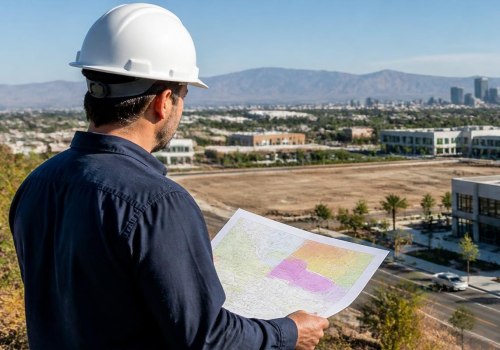
In the bustling world of commercial construction, understanding the nuances of industrial facility permits is crucial for success. California, with its vibrant economy and diverse industries, presents both opportunities and challenges for businesses looking to establish or expand their operations. The process of obtaining the necessary permits can often feel daunting, laden with regulations and paperwork that can overwhelm even the most seasoned developers. Whether you are a seasoned contractor or a business owner venturing into industrial development for the first time, navigating the landscape of industrial facility permits in California requires careful planning and knowledge of local, state, and federal regulations. From environmental assessments to zoning laws, each step in the permitting process plays a vital role in ensuring that your project not only complies with legal standards but also contributes positively to the community and environment. This article aims to demystify the complexities surrounding industrial facility permits.
We will explore key aspects of the permitting process, highlight common pitfalls to avoid, and provide valuable insights to help streamline your project from inception to completion. By equipping yourself with this knowledge, you can better navigate the permitting maze and set your industrial project up for success in California's dynamic market.
Industrial facility permits
are crucial components in the construction landscape of California, serving not just as regulatory tools, but also as instruments to ensure community safety and environmental stewardship. The growing demand for industrial spaces, driven by advancements in technology and increased e-commerce activities, has made it imperative for stakeholders—including homeowners, contractors, and developers—to have a thorough understanding of the various permit regulations that govern these facilities. In California, there are several types of industrial facility permits that may be required depending on the nature of the project. The primary categories include building permits, environmental permits, and operational permits. that may be required depending on the nature of the project. The primary categories include building permits, environmental permits, and operational permits.Building permits are necessary for any construction or alteration of structures, ensuring compliance with local zoning laws and safety codes. Environmental permits, on the other hand, focus on mitigating impacts on air quality, water resources, and endangered species habitats. These are particularly relevant for projects like manufacturing plants that may produce emissions or require significant water usage. Finally, operational permits may be required for businesses to legally operate within specific industries, ensuring adherence to local regulations regarding noise, waste management, and safety protocols. The process of obtaining these permits can be intricate and often varies depending on the type of facility being constructed.
For instance, when applying for a permit for a manufacturing plant, one must prepare detailed documentation including site plans, engineering reports, and environmental impact assessments. In contrast, a warehouse may have a simpler documentation requirement focused mainly on building specifications and zoning compliance. Typically, the first step involves submitting an application to the local planning department along with the necessary documentation. This is followed by a review period where officials evaluate the project against existing regulations.
The timelines for this process can vary; while some straightforward projects might secure permits within a few weeks, more complex ones could take several months or even longer due to extensive reviews. Fees associated with industrial facility permits also differ significantly based on project scope and location. For example, building permit fees might range from a few hundred to several thousand dollars depending on the total cost of construction and the size of the facility. Additionally, environmental assessments may incur extra costs if specialized studies are required to address specific concerns such as pollution control measures or habitat preservation efforts. Despite these guidelines, applicants often face common challenges during the permitting process. One significant hurdle is navigating the myriad of local regulations that can differ from one municipality to another.
To overcome this, it is advisable for contractors and developers to engage with local planning agencies early in the process to clarify requirements and expectations. Additionally, enlisting the help of professionals who specialize in permitting can streamline the process significantly. They can provide invaluable insights into potential pitfalls and help compile comprehensive applications that meet all necessary criteria. Moreover, recent changes in state regulations have further complicated the permitting landscape for industrial facilities. For instance, California has ramped up its efforts toward sustainability and environmental protection, leading to stricter requirements for emissions control and water usage in new industrial projects.
Stakeholders must stay informed about these evolving regulations as they can directly impact project timelines and costs. To assist contractors and homeowners in navigating these complexities, numerous resources are available. The California Department of Industrial Relations provides guidelines and updates related to labor laws and safety standards that impact industrial projects. Local chambers of commerce often offer workshops or seminars on navigating permits, while industry associations may provide networking opportunities for sharing best practices and experiences. Furthermore, online platforms and forums can serve as valuable tools for keeping abreast of industry trends and regulatory changes that affect upcoming projects. In summary, understanding industrial facility permits in California is essential for anyone involved in commercial construction.
With various types of permits required depending on project specifics, a clear grasp of the permitting process—including documentation needs, fees, timelines, and potential challenges—can greatly enhance a project's chances of success.
The Permit Application Process
Applying for industrial facility permits in California is a critical step for anyone looking to engage in construction or renovation of industrial spaces. Understanding the process can help streamline your project and ensure compliance with local regulations. Below are the key steps involved in the permit application process.1.Pre-Application Meetings
: Before diving into the application, it is advisable to schedule a pre-application meeting with the local planning department. This meeting allows stakeholders, including contractors and developers, to discuss their project ideas and receive preliminary feedback from city officials.It also provides an opportunity to clarify any specific requirements that may pertain to the proposed location and type of industrial facility.
2.Documentation Requirements
: Once you have a clear understanding of the requirements, the next step is to gather all necessary documentation. Typical documents required for an industrial facility permit application may include site plans, architectural drawings, environmental impact assessments, and proof of ownership or lease agreements. Ensuring that all documents are accurate and complete will help avoid delays during the review process.3.Submission Procedures
: After preparing your documentation, submit your application to the appropriate local authority. This may involve filling out specific forms and paying associated fees.Be sure to check if electronic submissions are accepted, as many jurisdictions are moving toward digital processing. After submission, keep track of your application's status through local channels to address any potential queries from officials promptly. By following these steps meticulously, applicants can improve their chances of successfully obtaining the necessary industrial facility permits and moving forward with their projects efficiently.
Common Challenges and Solutions
Obtaining industrial facility permits in California can be a complex and challenging process. Various stakeholders, including contractors, developers, and property owners, often encounter several typical obstacles that can delay projects and increase costs. Understanding these challenges and developing effective solutions is essential for navigating the permitting landscape. One common challenge is the lengthy approval process.The time it takes to secure permits can vary significantly, often leading to frustration among project stakeholders. To mitigate this issue, it is advisable to engage with local planning departments early in the project. By initiating discussions before submitting applications, stakeholders can gain valuable insights into specific requirements and potential roadblocks. Another frequent obstacle is the complexity of regulations. California has numerous state and local regulations governing industrial facilities, which can be overwhelming.
A practical solution is to work with experienced professionals, such as architects or permit expediters, who are familiar with the local regulatory environment. These experts can streamline the application process and ensure that all necessary documentation is in order. Additionally, stakeholders often face public opposition during the permitting process. Community concerns about environmental impacts or traffic congestion can lead to delays or permit denials. To address this challenge, proactive engagement with the community is essential.
Hosting informational meetings or open houses allows stakeholders to explain their projects, address concerns, and build support within the community. Finally, budget constraints can pose significant challenges during the permitting phase. The costs associated with obtaining permits and addressing compliance issues can add up quickly. To manage these expenses, it is crucial to budget for permit-related costs early in the project planning stage. Seeking grants or financial assistance programs offered by local governments can also provide relief for some stakeholders. By identifying these common challenges and implementing practical solutions, stakeholders can navigate the industrial facility permit process more effectively, ensuring their projects move forward smoothly and successfully.
Types of Industrial Facility Permits
When embarking on a construction project for an industrial facility in California, it is crucial to understand the various permits required to ensure compliance with local and state regulations.These industrial facility permits can vary significantly depending on the type of facility being constructed and its intended use. One of the primary categories of permits is environmental permits. These are essential for projects that may impact the surrounding environment, such as those involving emissions, waste management, or land use changes. Obtaining an environmental permit typically involves a comprehensive review process to assess potential impacts on air, water, and wildlife. Next, building permits are necessary for any construction activities. They ensure that the facility meets local building codes and safety standards.
This type of permit covers various aspects, including structural integrity, electrical work, plumbing, and fire safety measures. Contractors must submit detailed plans and specifications to secure a building permit. Additionally, safety compliance permits are vital for industrial facilities that involve hazardous materials or processes. These permits ensure that the facility adheres to workplace safety regulations set by agencies such as the Occupational Safety and Health Administration (OSHA). Compliance with safety standards protects not only the workers but also the community surrounding the facility. Furthermore, depending on the specific operations of the industrial facility, other specialized permits may be required, such as zoning permits, which confirm that the proposed use of land aligns with local zoning laws, or occupancy permits, which allow a facility to begin operations once construction is complete. Understanding the different types of industrial facility permits is essential for stakeholders involved in commercial construction projects.
By navigating this complex landscape effectively, contractors and homeowners can ensure their projects are compliant and contribute positively to community safety and development.
Staying Updated on Regulations and Industry News
In the fast-evolving landscape of industrial facility permits in California, staying informed is crucial for all stakeholders involved in construction projects. With frequent changes in regulations and industry standards, it is essential to adopt effective strategies for keeping updated.1.Subscribe to Regulatory Agencies
: One of the most reliable ways to stay informed is by subscribing to newsletters and updates from relevant regulatory agencies such as the California Department of Industrial Relations (DIR) and local planning departments. These organizations often provide timely information about new regulations, policy changes, and upcoming public meetings that can impact industrial facility permits.2.Join Industry Associations
: Engaging with industry associations, such as the California Building Industry Association (CBIA) or the American Society of Civil Engineers (ASCE), can offer valuable insights into best practices and emerging trends in industrial construction. Membership often includes access to resources, webinars, and networking opportunities that help members stay ahead of regulatory changes.3.Attend Workshops and Seminars
: Participating in workshops and seminars focused on construction regulations can provide hands-on learning experiences.Many organizations host events that address recent changes in laws and regulations governing industrial facilities, allowing professionals to ask questions directly to experts in the field.
4.Utilize Online Resources
: Websites like the California Building Standards Commission and local government websites often have dedicated sections for updates on building codes and permits. Utilizing these online resources can ensure you have access to the latest information at your fingertips.5.Network with Peers
: Building a network with other professionals in the industry can be an invaluable resource. Engaging with fellow contractors, architects, and engineers can facilitate the sharing of insights and experiences related to navigating permit processes and understanding regulatory changes. By implementing these strategies, stakeholders involved in industrial construction can effectively navigate the complexities of industrial facility permits, ensuring compliance with current regulations while contributing to safer and more efficient building practices. In conclusion, navigating industrial facility permits in California is a critical aspect of any commercial construction project. This article has explored the various types of industrial facility permits, the intricate permit application process, common challenges faced by applicants, and strategies for staying updated on regulations and industry news.As the demand for industrial spaces continues to rise, understanding the nuances of these permits becomes increasingly important for all stakeholders, including contractors and homeowners. By arming yourself with knowledge and utilizing available resources, you can approach the permitting process with confidence. Staying informed about the latest developments in regulations will not only help streamline your project but also contribute to community safety and compliance.