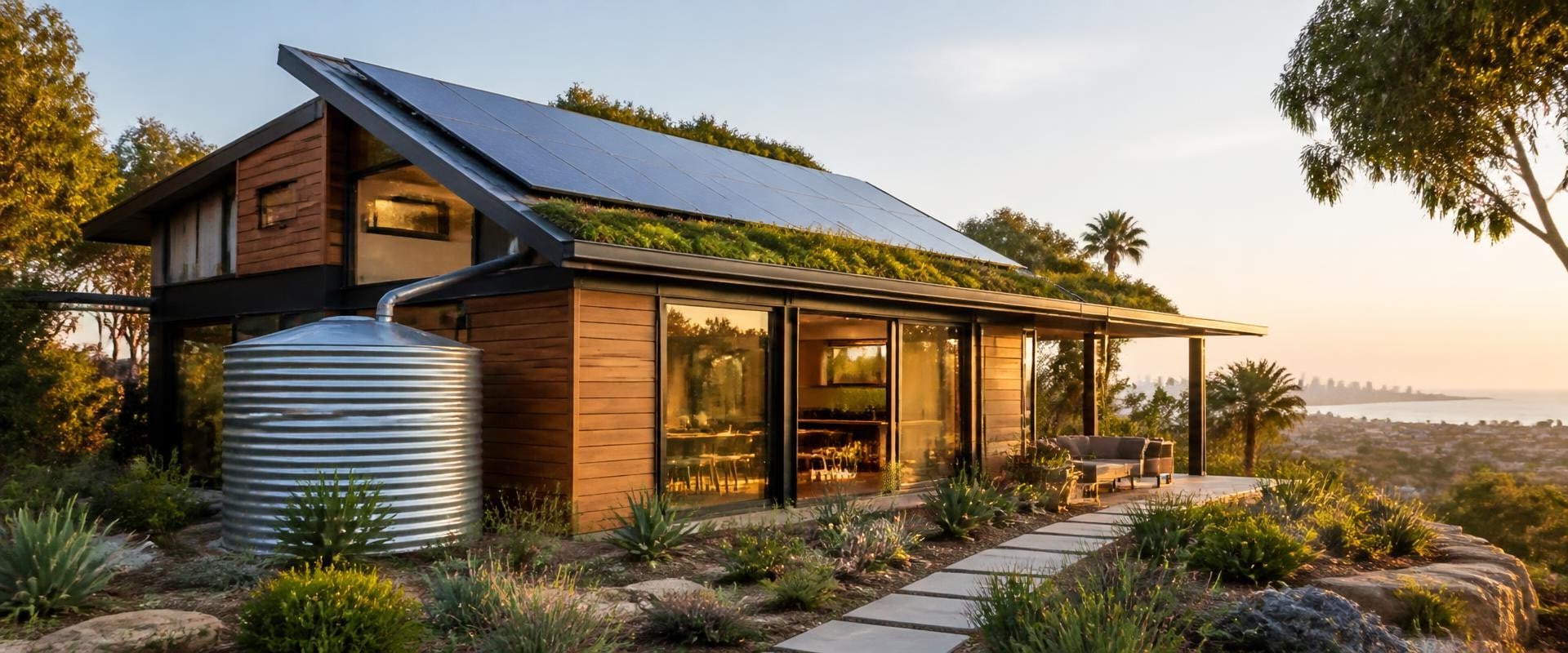
In recent years, the construction industry has faced mounting pressure to adopt sustainable building practicessustainable building practices that not only minimize environmental impact but also promote energy efficiency and resource conservation. California, a state known for its progressive approach to environmental issues, is at the forefront of this movement. With its diverse ecosystems and commitment to sustainability, California offers a unique landscape for innovative building practices that set a benchmark for the rest of the nation. The urgency for change has never been more critical. As urban populations continue to grow, the demand for housing and commercial spaces is skyrocketing, leading to increased carbon footprints and resource depletion. that not only minimize environmental impact but also promote energy efficiency and resource conservation. California, a state known for its progressive approach to environmental issues, is at the forefront of this movement. With its diverse ecosystems and commitment to sustainability, California offers a unique landscape for innovative building practices that set a benchmark for the rest of the nation. The urgency for change has never been more critical. As urban populations continue to grow, the demand for housing and commercial spaces is skyrocketing, leading to increased carbon footprints and resource depletion.
Sustainable building practices are no longer optional; they are essential for ensuring that future generations inherit a planet capable of sustaining life. By integrating eco-friendly materials, energy-efficient technologies, and sustainable design principles, builders in California are redefining what it means to construct responsibly. This article delves into the innovative sustainable building practices that are transforming the construction landscape in California. From green roofs and solar energy systems to water-saving technologies and waste reduction strategies, we will explore how these advancements not only comply with stringent environmental regulations but also enhance the quality of life for residents. Join us as we uncover the pioneering efforts that are shaping a more sustainable future in California's construction industry. California is at the forefront of the movement toward sustainable building practices, driven by a commitment to environmental conservation and stringent state regulations.
These practices not only align with California's unique environmental landscape but also provide significant benefits for homeowners and contractors alike. By adopting energy-efficient design, utilizing renewable materials, implementing waste reduction techniques, and integrating innovative technologies like solar energy, builders can create structures that are both environmentally friendly and economically viable. One of the cornerstones of sustainable building practices is energy-efficient design. This involves optimizing a building's orientation, insulation, and window placement to maximize natural light and minimize energy consumption. For instance, many new residential projects in California are designed with large south-facing windows to harness sunlight, reducing the need for artificial lighting during the day.
Additionally, using high-performance insulation materials can significantly lower heating and cooling costs, making homes more comfortable while complying with California’s Title 24 energy efficiency standards. The use of renewable materials is another vital aspect of sustainable construction. Materials such as bamboo, reclaimed wood, and recycled metal not only reduce the environmental footprint of a building but also contribute to its aesthetic appeal. Projects like the Bullitt Center in Seattle, while not in California, have inspired local developers to incorporate similar ideas. This commercial building is constructed from sustainable materials and has become a benchmark for green buildings worldwide.
In California, successful residential projects often feature reclaimed wood siding or sustainably harvested timber, showcasing how these materials can enhance property value while promoting sustainability.
Waste reduction techniques
are crucial in minimizing the environmental impact of construction activities. Builders are increasingly adopting strategies like deconstruction instead of demolition, which allows for the salvaging of materials for reuse in new projects. Additionally, construction waste management plans are being implemented to recycle materials such as concrete, metals, and plastics. For example, the construction of the Los Angeles International Airport (LAX) modernization project adopted aggressive recycling targets, diverting over 90% of its construction waste from landfills. Innovative technologies play a pivotal role in California’s sustainable building landscape.The integration of solar energy systems has become standard practice in many new developments due to California's abundant sunshine and state incentives for renewable energy adoption. Homeowners are increasingly investing in solar panels not just for compliance with state regulations but to significantly reduce their electricity bills over time. The implementation of battery storage systems allows homeowners to store excess solar energy for use during peak hours, further enhancing energy independence. Despite these advantages, contractors may face challenges when implementing sustainable building practices. One significant hurdle is the initial cost associated with green materials and technologies; however, many financing options are available to ease this burden.
Programs like California’s Property Assessed Clean Energy (PACE) financing allow homeowners to finance energy-efficient upgrades through their property taxes, making it more accessible for them to invest in these upgrades without the need for upfront capital. Another challenge is staying abreast of the rapidly changing regulations and standards related to sustainable construction. To effectively navigate this landscape, builders can utilize resources such as the California Green Building Standards Code (CALGreen), which provides guidelines on sustainable practices. Engaging with local building organizations and attending workshops can also empower contractors with knowledge about the latest trends and best practices in sustainability. As California continues to lead the way in promoting Programs like California’s Property Assessed Clean Energy (PACE) financing allow homeowners to finance energy-efficient upgrades through their property taxes, making it more accessible for them to invest in these upgrades without the need for upfront capital. Another challenge is staying abreast of the rapidly changing regulations and standards related to sustainable construction. To effectively navigate this landscape, builders can utilize resources such as the California Green Building Standards Code (CALGreen), which provides guidelines on sustainable practices. Engaging with local building organizations and attending workshops can also empower contractors with knowledge about the latest trends and best practices in sustainability. As California continues to lead the way in promoting sustainable building practices, both homeowners and builders must embrace these innovative approaches. By understanding how energy-efficient designs, renewable materials, waste reduction techniques, and advanced technologies can enhance property value and reduce long-term costs, they can make informed decisions that align with both regulatory compliance and environmental stewardship.
Successful examples throughout the state highlight that sustainability is not merely a trend but a necessary evolution in how we approach construction and development.
Navigating State Regulations for Sustainable Construction
In California, sustainable building practices are shaped significantly by state regulations designed to promote environmental protection and energy efficiency. Among the most critical regulations are the California Energy Code (Title 24), which sets forth stringent energy efficiency standards for new construction and major renovations.Sustainable building practices
must comply with these standards to ensure that structures minimize energy consumption and reduce greenhouse gas emissions. Another important regulation is the California Environmental Quality Act (CEQA), which mandates environmental impact assessments for projects that may significantly affect the environment. This means that builders must evaluate how their projects will impact local ecosystems, air quality, and water resources.By adhering to CEQA guidelines, contractors can implement sustainable building practices that mitigate negative environmental impacts and promote responsible development. Additionally, the state has established various green building programs, such as CALGreen, which sets mandatory green building standards for residential and non-residential buildings. These standards encourage the use of sustainable materials, water conservation measures, and enhanced indoor air quality. Homeowners and contractors who integrate sustainable building practices in compliance with CALGreen not only contribute to environmental preservation but also often benefit from financial incentives, rebates, and lower operating costs. To successfully navigate these regulations, it is essential for builders and homeowners to stay informed about updates and changes in state laws. Engaging with local authorities and sustainability experts can provide valuable insights into effectively implementing sustainable building practices while ensuring compliance with California’s evolving regulatory framework.
Current Trends in California Construction
In recent years, California has emerged as a leader in adopting sustainable building practices, driven by its unique environmental regulations and the growing awareness of ecological issues.One of the most significant trends is the increasing popularity of green certifications. Programs such as LEED (Leadership in Energy and Environmental Design) and CALGreen (California Green Building Standards Code) are becoming essential benchmarks for homeowners and contractors alike. These certifications not only signify a commitment to sustainability but also enhance property value and appeal in a competitive market. Another notable trend is the use of eco-friendly materials. Builders are increasingly opting for sustainable resources such as bamboo, recycled steel, and reclaimed wood, which minimize environmental impact while maintaining aesthetic appeal.
Additionally, innovations in building materials like low-VOC paints and energy-efficient insulation products help reduce energy consumption and improve indoor air quality. Furthermore, the integration of technology into construction practices is on the rise. Smart home technologies, which enable energy monitoring and efficient resource management, are being incorporated into new builds. This trend aligns with California's commitment to reducing greenhouse gas emissions and promoting renewable energy sources. As these trends continue to evolve, it is clear that sustainable building practices in California are not just a passing fad but a vital component of the state's construction landscape, benefiting both the environment and the economy.
Understanding California's Building Permits
Obtaining building permits in California is a crucial step for any construction project, ensuring compliance with local regulations and adherence to sustainable building practices. The process generally begins with understanding the specific requirements set by the local jurisdiction where the project will take place. The first step in obtaining a building permit is to submit an application, which typically includes detailed plans and specifications of the proposed work.These documents must demonstrate how the project aligns with sustainable building practices, including energy efficiency measures and environmentally friendly materials. Additionally, applicants may need to provide proof of ownership and other relevant documentation. Once the application is submitted, it undergoes a review process that can vary in length depending on the complexity of the project and the local authority's workload. Generally, this review period can range from a few weeks to several months. During this time, officials will assess the plans for compliance with building codes and zoning regulations, including any specific provisions related to sustainable building practices.After the initial review, applicants may be required to address comments or make modifications to their plans.
This iterative process ensures that all aspects of sustainable building practices are effectively integrated into the design. Once all requirements are met and approvals are granted, a building permit is issued, allowing construction to commence. It is essential for homeowners and contractors to stay informed about the timelines and specific documentation required by their local jurisdiction. Engaging with local planning departments early in the process can help streamline the permit application and improve compliance with California's stringent environmental regulations.
Resources for Homeowners and Contractors
As California continues to lead the way in implementing sustainable building practices, homeowners and contractors can benefit from a variety of resources that provide guidance on compliance with state regulations and effective strategies for eco-friendly construction. Below is a list of valuable websites and organizations that can help navigate the complexities of sustainable building in the state.1.California Department of Housing and Community Development (HCD)
: The HCD offers resources on building codes, including sustainable building practices and energy efficiency standards.Their website provides access to regulatory information and best practices for residential construction.
2.California Energy Commission (CEC)
: The CEC promotes energy efficiency through its Title 24 standards, which are crucial for sustainable building. Their site includes tools, guidelines, and updates on energy policies that affect new construction and renovations.3.U.S. Green Building Council (USGBC) - California Chapter
: This organization focuses on promoting sustainable building practices through education and advocacy. They offer certification programs like LEED (Leadership in Energy and Environmental Design), which can help contractors demonstrate their commitment to sustainability.4.Green Building Resource Center
: This resource center provides information on green building materials, technologies, and practices specifically tailored for California's climate and regulations.It also hosts workshops and training sessions for both homeowners and contractors.
5.Build It Green
: A non-profit organization dedicated to promoting sustainable building practices in California, Build It Green offers a wealth of resources, including a directory of green professionals and certification programs that encourage eco-friendly construction methods.6.California Air Resources Board (CARB)
: CARB provides regulations aimed at improving air quality, which includes guidelines for the use of low-emission materials in construction. Their website is a vital resource for understanding compliance with environmental regulations. By utilizing these resources, homeowners and contractors in California can enhance their understanding of sustainable building practices while ensuring compliance with state regulations, ultimately contributing to a healthier environment and more efficient homes.Understanding California's Building Permits
Obtaining building permits in California is a crucial step in ensuring that any construction project adheres to the state's strict environmental regulations and building codes. The process can be complex, but understanding the necessary steps can help streamline the experience for homeowners and contractors alike. To begin, applicants must first identify the type of permit required for their specific project. This may include permits for new construction, remodeling, or even minor repairs.Each type of permit has its own set of requirements, and it is essential to consult with local building departments to determine which permits are applicable. Once the appropriate permit type is identified, the next step is to gather the necessary documentation. Typical documentation includes detailed project plans, site surveys, and engineering calculations. Additionally, applicants may need to provide information regarding environmental impact assessments, especially if the project has potential implications on local ecosystems. The completed application, along with all required documentation, must then be submitted to the local building department. This submission initiates the review process, during which city or county officials will assess compliance with local codes and state regulations.
The timeline for this review can vary significantly based on the complexity of the project and the workload of the building department, but it generally takes anywhere from a few weeks to several months. After the review is complete, applicants will receive either an approval or a request for additional information. If approved, a building permit will be issued, allowing the contractor to begin work. It is important to note that construction cannot commence until this permit is obtained, as starting without proper authorization can lead to significant penalties. In summary, navigating the process of obtaining building permits in California involves identifying the correct permits, compiling necessary documentation, submitting applications for review, and adhering to timelines set by local authorities. By following these steps diligently, homeowners and contractors can ensure compliance with California's environmental regulations while promoting sustainable building practices.
Understanding California's Building Permits
Obtaining building permits in California is a crucial step for any construction project, including those that incorporate sustainable building practices.The process ensures that all construction complies with local regulations and state laws, particularly those focused on environmental conservation. The first step in securing a building permit is to submit an application to the local planning department. This application typically requires detailed documentation, including site plans, architectural drawings, and specifications related to the proposed construction. For projects emphasizing sustainable building practices, it may also be necessary to include information on energy efficiency measures and sustainable materials that will be utilized. Once the application is submitted, it undergoes a review process that can vary in duration depending on the complexity of the project and the specific requirements of the local jurisdiction. Generally, applicants can expect this review period to last anywhere from a few weeks to several months.
During this time, planning officials assess whether the project aligns with local zoning laws, building codes, and environmental regulations. After the initial review, if the project meets all requirements, the applicant will receive a permit approval. However, if there are any deficiencies or concerns, the applicant may need to revise their plans or provide additional information before receiving approval. It is essential to remain responsive during this phase to avoid unnecessary delays. Once a permit is issued, it must be prominently displayed at the construction site. Additionally, inspections will be conducted at various stages of construction to ensure compliance with the approved plans and relevant safety standards.
By understanding and navigating this permit process effectively, contractors and homeowners can ensure that their sustainable projects contribute positively to California's construction landscape while remaining compliant with environmental regulations. In conclusion, embracing sustainable building practices is not only essential for the environmental well-being of California but also for the future of the construction industry within the state. By adopting these practices, builders and homeowners can significantly reduce their carbon footprint, enhance energy efficiency, and ensure compliance with California's stringent construction regulations. Staying informed about the latest trends and regulations in sustainable construction is crucial for maximizing project outcomes while adhering to state laws. As we move forward, it is imperative for all stakeholders in the construction sector—be it contractors, homeowners, or policymakers—to prioritize sustainability. This collective effort will not only lead to more resilient communities but also contribute to a healthier environment for generations to come. We encourage you to continually seek out resources and knowledge regarding sustainable building practices to enhance your projects' sustainability.
Together, we can pave the way for a greener future in California's construction landscape.