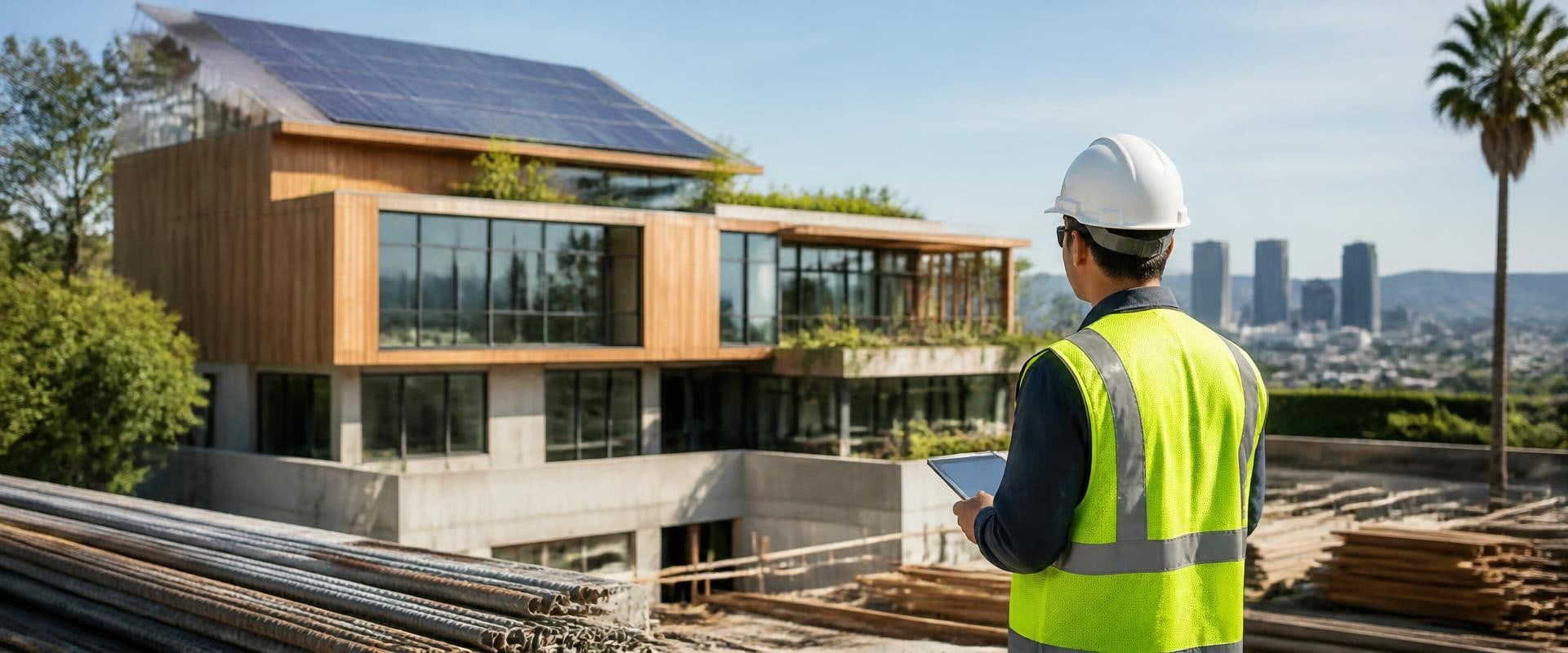
In recent years, the construction industry has witnessed a significant shift towards sustainability regulationssustainability regulations, particularly in progressive states like California. As the effects of climate change become increasingly evident, lawmakers and industry leaders are recognizing the urgent need to adopt practices that minimize environmental impact. This has led to a complex web of regulations designed to promote sustainable building practices, energy efficiency, and resource conservation. California stands at the forefront of this movement, with regulations that not only aim to protect the environment but also enhance the quality of life for its residents. However, navigating these sustainability regulations can be daunting for contractors, developers, and architects alike.
From understanding the latest amendments to existing codes to implementing innovative green technologies, the path to compliance is fraught with challenges. This article will delve into the intricacies of sustainability regulations within California's construction landscape. We will explore how these regulations impact project planning, design, and execution while highlighting the benefits they bring to both builders and the community. Whether you're a seasoned professional or new to the field, understanding the nuances of these regulations is essential for successful project delivery in today's environmentally-conscious market. Join us as we navigate through the essential aspects of sustainability regulations in California construction, providing insights and guidance that will empower you to meet compliance standards while contributing to a more sustainable future. As the construction industry continues to evolve, sustainability regulations play a pivotal role in shaping practices and standards, particularly in California. This state is at the forefront of environmental awareness and has implemented a range of regulations aimed at promoting sustainable building practices.
The California Green Building Standards Code (CALGreen)California Green Building Standards Code (CALGreen) is one of the key frameworks guiding these efforts, establishing minimum sustainability requirements for both residential and commercial constructions. Under CALGreen, builders must adhere to standards that address energy efficiency, water conservation, and waste management, all critical components in reducing the environmental footprint of construction. The impact of these sustainability regulations on the permitting process is significant. Homeowners and contractors must navigate a complex landscape where compliance with energy efficiency requirements is mandatory. For instance, new homes are required to meet stringent energy performance standards that often include the installation of energy-efficient appliances and systems.
Additionally, water conservation measures are enforced through regulations that mandate low-flow fixtures and efficient irrigation systems. These requirements not only promote sustainability but can also lead to long-term cost savings for homeowners. Incorporating these regulations into renovation plans can be beneficial for homeowners looking to enhance their property’s value while reducing its environmental impact. For example, when planning a renovation, homeowners can opt for sustainable materials that comply with CALGreen standards, such as recycled or locally sourced products. Furthermore, integrating renewable energy solutions like solar panels not only aligns with sustainability regulations but also provides potential financial incentives through state programs. Contractors play a crucial role in ensuring compliance with these regulations.
They must stay informed about the latest updates to CALGreen and local ordinances to effectively guide their clients through the permitting process. For instance, contractors can utilize resources such as the California Energy Commission’s guidelines or attend workshops focused on sustainable building practices. However, challenges remain; many contractors may find it difficult to keep up with evolving regulations or lack access to training on new technologies that support compliance. To navigate these challenges, both contractors and homeowners can take advantage of various resources available in California. Organizations like the U.S.
Green Building Council provide valuable information and certification programs that can help contractors improve their knowledge and skills in sustainable construction. Additionally, local government offices often offer assistance in understanding compliance requirements and navigating the permitting process. The landscape of sustainability regulations is continually changing, with recent legislative developments indicating a trend towards even stricter standards in California’s construction practices. For example, new laws have been introduced that aim to further reduce greenhouse gas emissions from buildings, reflecting the state’s commitment to combating climate change. As these trends continue to evolve, it is essential for both homeowners and contractors to remain proactive in adapting their practices. Industry experts emphasize the importance of embracing these changes for long-term success in the construction sector.
As noted by a leading architect in sustainable design, “Adapting to sustainability regulations not only ensures compliance but also positions builders as leaders in an increasingly eco-conscious market.” Case studies of successful projects across California illustrate this point; numerous developments have demonstrated how integrating sustainability into construction not only meets regulatory requirements but also enhances community value. In conclusion, understanding and navigating sustainability regulations in California construction is imperative for homeowners and contractors alike. By staying informed about CALGreen and local ordinances, leveraging available resources, and embracing innovative building practices, stakeholders can contribute to a more sustainable future while ensuring compliance with evolving standards.
Latest Trends in Sustainable Construction
As the push for sustainability regulations gains momentum, California's construction industry is witnessing a transformation marked by several key trends. One of the most notable advancements is the rise of net-zero buildings, which are designed to produce as much energy as they consume over the course of a year. This ambitious goal not only reduces energy costs for homeowners but also minimizes the overall environmental impact of construction projects. Another emerging trend is the integration of renewable energy sources into building designs.Solar panels, wind turbines, and other renewable technologies are becoming standard features in new constructions, driven by state incentives and advancements in technology. California's sunny climate makes solar energy particularly attractive, allowing homeowners to harness clean power while complying with sustainability regulations. The selection of sustainable materials is also gaining traction among contractors and architects. Builders are increasingly opting for materials that are recycled, locally sourced, or have a lower environmental footprint. For example, bamboo and reclaimed wood are popular choices that not only contribute to a building's aesthetic appeal but also align with sustainability regulations aimed at reducing resource depletion. As these trends continue to evolve, it is crucial for both homeowners and contractors to stay informed about the latest developments in sustainable construction practices.
Embracing these changes not only facilitates compliance with current regulations but also positions stakeholders advantageously for future growth in California's ever-changing construction landscape.
Understanding CALGreen and Its Implications
CALGreen, short for the California Green Building Standards Code, is a crucial framework established to promote sustainability in the construction industry throughout California. It was first adopted in 2008 and has been updated periodically to enhance its effectiveness in fostering environmentally responsible building practices. This code serves as a foundation for improving energy efficiency, reducing waste, and enhancing indoor air quality across various construction projects. One of the primary aspects of CALGreen is its division into mandatory and voluntary measures. The mandatory measures are requirements that all new construction must comply with, ensuring a baseline of sustainability across the state.These include standards for water conservation, energy efficiency, and the use of sustainable materials. For instance, builders must implement measures to reduce indoor water use by at least 20% compared to traditional practices, which significantly contributes to conserving California's precious water resources. In addition to mandatory measures, CALGreen also provides a set of voluntary measures that builders can choose to adopt. These measures encourage even greater sustainability efforts beyond the minimum requirements. Examples include enhanced energy performance standards, advanced recycling programs for construction waste, and the incorporation of renewable energy sources like solar panels.
By opting into these voluntary measures, contractors can achieve higher certification levels, which not only boosts their marketability but also aligns with the growing demand for green buildings among homeowners. Understanding CALGreen and its implications is essential for both contractors and homeowners alike. As regulations continue to evolve, staying informed about these standards ensures compliance while promoting sustainable construction practices. Ultimately, embracing CALGreen not only benefits the environment but also enhances property value and fosters a healthier living space.
Contractor Licensing and Compliance
In California, sustainability regulations have become increasingly important within the construction industry, and understanding contractor licensingcontractor licensing requirements is essential for compliance. Contractors must be aware of various licenses that may be required to engage in sustainable building practices, which often include specific endorsements related to energy efficiency and environmentally friendly materials. One of the key aspects of contractor licensing in California is the necessity to stay updated on evolving regulations.The California Contractors State License Board (CSLB) mandates that contractors not only possess the proper license but also adhere to sustainability regulations that align with state-wide initiatives aimed at reducing carbon footprints and promoting green building standards. This includes certifications in areas such as Leadership in Energy and Environmental Design (LEED) or GreenPoint Rated systems. Furthermore, contractors should also be familiar with local ordinances that may impose additional requirements beyond state regulations. For instance, some jurisdictions may require contractors to demonstrate knowledge of sustainable practices during the licensing application process or as part of continuing education. It is crucial for contractors to verify their compliance with both state and local regulations to avoid penalties and ensure they are contributing positively to California's commitment to sustainability. Additionally, contractors are encouraged to engage with professional organizations focused on sustainability in construction.
Membership in such organizations can provide valuable resources, networking opportunities, and access to training programs designed to keep contractors informed about best practices and regulatory changes related to sustainability regulations.
Permitting Process for Sustainable Construction
Obtaining permits for sustainable construction projects in California involves several key steps that ensure compliance with local regulations while promoting environmentally friendly practices.Sustainability regulations
are evolving, and understanding the permitting process is crucial for homeowners and contractors alike. The first step in the permitting process is to consult with local building authorities. This initial consultation can provide valuable insights into specific sustainability regulations applicable to your project, including energy efficiency standards, water conservation measures, and materials sourcing guidelines. Next, you will need to prepare the necessary documentation. This typically includes detailed project plans, specifications, and compliance reports demonstrating how your project meets sustainability regulations.In many cases, you may also be required to submit an environmental impact assessment if your project has the potential to affect local ecosystems. Once your documentation is complete, you will submit your permit application to the relevant authorities. Timelines for permit approval can vary significantly based on the complexity of the project and local government processes. Generally, expect anywhere from a few weeks to several months for review and approval. After submission, the permitting authority may schedule inspections or request additional information to ensure compliance with sustainability regulations. It is essential to respond promptly to any inquiries to avoid delays in the approval process. Upon receiving approval, you will be issued a permit that allows you to begin construction.
However, keep in mind that ongoing compliance with sustainability regulations during construction is crucial, as inspections may occur at various stages of the build. In conclusion, navigating the permitting process for sustainable construction requires careful planning and attention to detail. By understanding the steps involved and staying informed about evolving sustainability regulations, homeowners and contractors can contribute to a greener future while ensuring their projects meet all necessary legal requirements. In conclusion, understanding sustainability regulations is crucial for both homeowners and contractors in California's evolving construction landscape. Staying informed about these regulations not only ensures compliance but also opens the door to innovative building practices that promote sustainability. We encourage readers to actively seek out resources and training opportunities that enhance their understanding of these important regulations. Embracing sustainability in construction presents numerous long-term benefits, including potential cost savings through energy efficiency and reduced waste, as well as a positive environmental impact that contributes to the well-being of our communities.
By prioritizing sustainability, we can build a greener future while navigating the complexities of construction regulations.