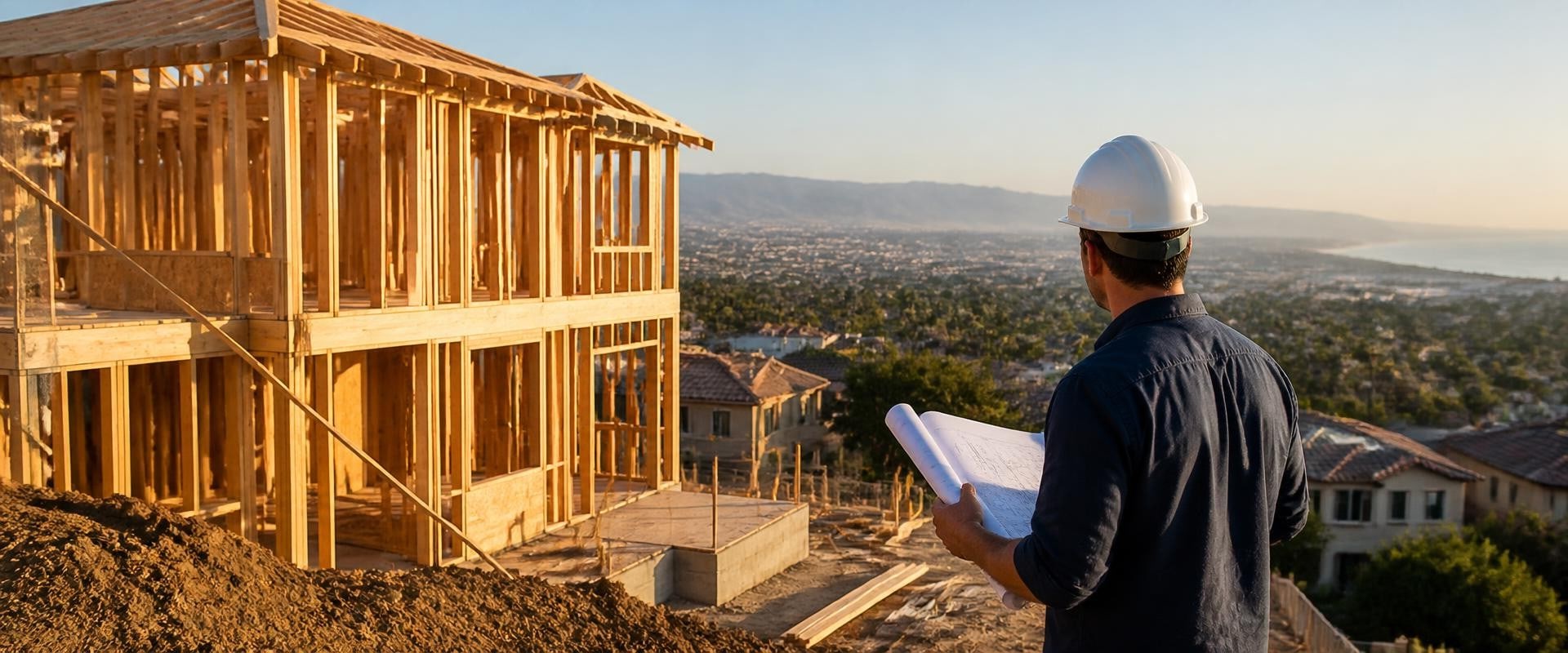
In the ever-evolving landscape of real estate, few factors wield as much influence over the market as interest ratesinterest rates. In California, where the demand for housing often outpaces supply, understanding the impact of interest rates on home building trends becomes crucial for developers, investors, and potential homeowners alike. As we delve into the intricate relationship between financing costs and housing construction, it is essential to recognize how shifts in interest rates can create ripples across the entire residential construction sector. The dynamics of California's housing market are unique, shaped by a blend of economic conditions, demographic shifts, and regulatory frameworks. When interest rates fluctuate, they directly affect mortgage affordability and borrowing costs, ultimately influencing the decisions made by builders and buyers.
This article aims to illuminate how these financial elements shape the trajectory of home building in California, providing valuable insights for stakeholders navigating this complex environment. Join us as we explore the various dimensions of interest rates and their profound effects on home construction trends. We'll analyze historical data, current market conditions, and future projections to offer a comprehensive overview of what lies ahead for California's residential construction landscape. Whether you're a seasoned industry professional or a curious homeowner, understanding these trends is essential in making informed decisions in an unpredictable market. Understanding the impact of interest rates on home building trends in California requires a look back at the historical context of these rates and their correlation with construction activity. Over the past few decades, California has experienced significant fluctuations in interest rates, influenced by various economic factors.
In the late 1980s and early 1990s, for instance, interest rates soared, reaching over 10 percent, which corresponded with a decline in home building activity. Conversely, during periods of lower interest rates, such as in the early 2000s, construction activity surged as borrowing costs decreased, making it more affordable for consumers to take out mortgages and invest in new homes. The relationship between rising or falling interest rates and mortgage rates is fundamental to understanding demand for new homes. When interest rates rise, mortgage rates typically follow suit, increasing the cost of borrowing for potential homeowners. This can lead to a decrease in demand for new homes as fewer people can afford to finance a purchase.
For example, during the recent rate hikes initiated by the Federal Reserve to curb inflation, many potential buyers found themselves priced out of the market, leading to a noticeable slowdown in home sales and new construction permits. Statistics illustrate this correlation vividly. During periods of low interest rates from 2010 to 2015, California saw an increase in construction permits issued, climbing from approximately 40,000 annual permits to nearly 100,000 by 2015. However, when interest rates began to rise in 2018, the number of construction permits issued dropped significantly. In 2019 alone, permits fell by over 15 percent compared to the previous year, highlighting how sensitive the housing market is to changes in interest rates. Contractors often adjust their business strategies based on these trends. In times of rising interest rates, they may focus on lower-cost projects or explore alternative financing options to attract buyers who are still interested in home ownership but may be more cautious about their investments.
Some contractors may also pivot towards multifamily units or affordable housing developments, which can appeal to a broader market segment that is less affected by rising mortgage costs. Additionally, contractors may enhance their marketing efforts to emphasize the long-term value of home ownership despite short-term fluctuations in interest rates. However, there are differing opinions on the long-term effects of interest rates on the housing market. Some experts argue that while short-term increases in interest rates can dampen demand and construction activity, they do not necessarily predict a long-term downturn in the housing market. They suggest that other factors—such as population growth, job creation, and urban development—play a more significant role in shaping long-term trends in home building.
Others believe that sustained high-interest rates could lead to a structural change in the market, making it challenging for new builders to enter or thrive. In conclusion, the impact of interest rates on home building trends is multifaceted and deeply intertwined with economic conditions and consumer behavior. As stakeholders navigate this dynamic landscape, understanding these relationships becomes crucial for making informed decisions about future investments and strategies in California's residential construction market.
The Link Between Interest Rates and Housing Demand
Changes in interest rates play a crucial role in shaping housing demand, particularly in a market as dynamic as California's. When interest rates are low, borrowing becomes more affordable for potential homebuyers. This increased affordability allows more individuals to enter the housing market, driving up demand for new homes.Consequently, builders respond to this heightened demand by ramping up home construction efforts, leading to an increase in residential projects. Conversely, when interest rates rise, the cost of borrowing increases, which can dampen buyer enthusiasm. Higher mortgage rates mean higher monthly payments, making it more difficult for buyers to afford homes. As affordability wanes, prospective buyers may delay their purchase decisions or seek less expensive options, ultimately reducing overall housing demand. This decline can have a ripple effect on home construction, as builders may scale back projects in response to decreased demand. The relationship between interest rates and housing demand is especially pertinent in California, where the housing market is already characterized by high prices and limited inventory.
In such an environment, even small fluctuations in interest rates can significantly impact buyer behavior and influence the pace of home building. For homeowners and industry stakeholders alike, understanding this link is essential for navigating the residential construction landscape.
Future Outlook: Predictions for Home Building Trends
As we look ahead, the impact of interest rates on home building trends in California is poised to evolve in response to shifting economic conditions. Analysts predict that if current trends continue, we could see a gradual increase in interest rates over the next few years, influenced by factors such as inflation, labor market fluctuations, and Federal Reserve policies. This anticipated rise in interest rates may lead to a cooling effect on the housing market. Higher borrowing costs could deter potential homebuyers, causing a decline in demand for new construction projects.Consequently, contractors and builders may need to adjust their strategies, focusing more on affordable housing options and innovative construction methods that can mitigate increased costs. Furthermore, as interest rates fluctuate, consumer behavior may shift toward more stable investments, which could slow down speculative building practices. Industry stakeholders should prepare for a potential increase in demand for energy-efficient homes, as buyers become more conscious of long-term operating costs amid rising mortgage payments. In conclusion, the future of home building in California will likely reflect the broader economic landscape shaped by interest rates. Stakeholders who proactively adapt to these changes by incorporating sustainable practices and understanding consumer preferences will be better positioned to thrive in an evolving market.
Permitting Processes and Regulatory Considerations
In California, the permitting processes for home construction are significantly influenced by interest rates. When interest rates rise, the cost of borrowing increases, which can lead to a slowdown in the overall housing market.This slowdown often prompts homeowners and builders to reconsider their projects, potentially delaying the initiation of permitting processes. As a result, the demand for building permits may decrease, leading to longer wait times and more stringent scrutiny from regulatory bodies. Moreover, California's complex regulatory environment adds another layer of complexity to the permitting process. State regulations often require extensive documentation and compliance with various environmental and safety standards. When interest rates are high, the financial burden may discourage builders from pursuing permits as aggressively as they would in a lower interest rate environment. . As a result, the demand for building permits may decrease, leading to longer wait times and more stringent scrutiny from regulatory bodies. Moreover, California's complex regulatory environment adds another layer of complexity to the permitting process. State regulations often require extensive documentation and compliance with various environmental and safety standards. When interest rates are high, the financial burden may discourage builders from pursuing permits as aggressively as they would in a lower interest rate environment.
This reluctance can further exacerbate delays in obtaining necessary approvals. Conversely, when interest rates are low, there tends to be an uptick in construction activity as both homeowners and builders seize the opportunity to finance new projects at a lower cost. This surge can lead to a higher volume of permit applications being submitted simultaneously. Consequently, regulatory agencies may face challenges in processing these applications promptly, which could result in longer wait times despite the favorable economic conditions. It is essential for contractors and stakeholders to stay informed about the current interest rate trends and their potential implications on permitting processes. Understanding these dynamics can help industry players navigate the complexities of California’s regulatory landscape more effectively and plan their projects accordingly.
Contractor Insights: Adapting to Market Conditions
As interest rates fluctuate, contractors in California are finding themselves at a crossroads, needing to adapt their strategies to stay competitive in the home building market.With rising interest rates, borrowing costs increase for both consumers and builders, which can lead to a slowdown in new projects. This shift necessitates a re-evaluation of project timelines and pricing structures. Contractors are implementing various strategies to navigate these changes. One approach is the adjustment of project timelines. Many contractors are opting for phased construction schedules, allowing them to manage costs more effectively while waiting for interest rates to stabilize.
This not only helps in maintaining cash flow but also aligns with the purchasing power of potential homeowners who may be hesitant to commit to new projects amid rising rates. Additionally, contractors are becoming more transparent with clients about how interest rate fluctuations affect overall project costs. By providing detailed breakdowns of construction expenses, they can better justify pricing adjustments and keep clients informed. This proactive communication fosters trust and helps homeowners understand the broader economic context influencing their decisions. Moreover, some contractors are exploring alternative financing options, such as partnerships with financial institutions that offer favorable lending terms or incentives for homebuyers. This approach can help mitigate the impact of high-interest rates on consumer behavior, encouraging potential buyers to proceed with their construction plans despite economic uncertainties. In summary, as interest rates continue to shape the landscape of home building in California, contractors are adapting through strategic project management and transparent communication.
These adaptations not only support their business continuity but also provide valuable insights for homeowners and industry stakeholders navigating this evolving market. In conclusion, this article has highlighted the impact of interest rates on home building trends in California, emphasizing their critical role in shaping market dynamics. We explored how fluctuations in interest rates directly influence housing demand, affect the permitting processes, and challenge contractors to adapt their strategies in a rapidly changing economic landscape. Understanding these connections is crucial for homeowners, contractors, and industry stakeholders as they navigate the complexities of the current market. As we have discussed, the relationship between interest rates and construction costs can significantly alter consumer behavior, making it imperative to stay informed about economic indicators that may affect construction plans. By keeping a close eye on interest rate trends, stakeholders can better anticipate changes and make more informed decisions regarding their investments in residential construction. Ultimately, staying informed is key to successfully adapting to the evolving home building landscape in California.
We encourage readers to actively monitor economic conditions and consider their potential implications for their future construction endeavors.