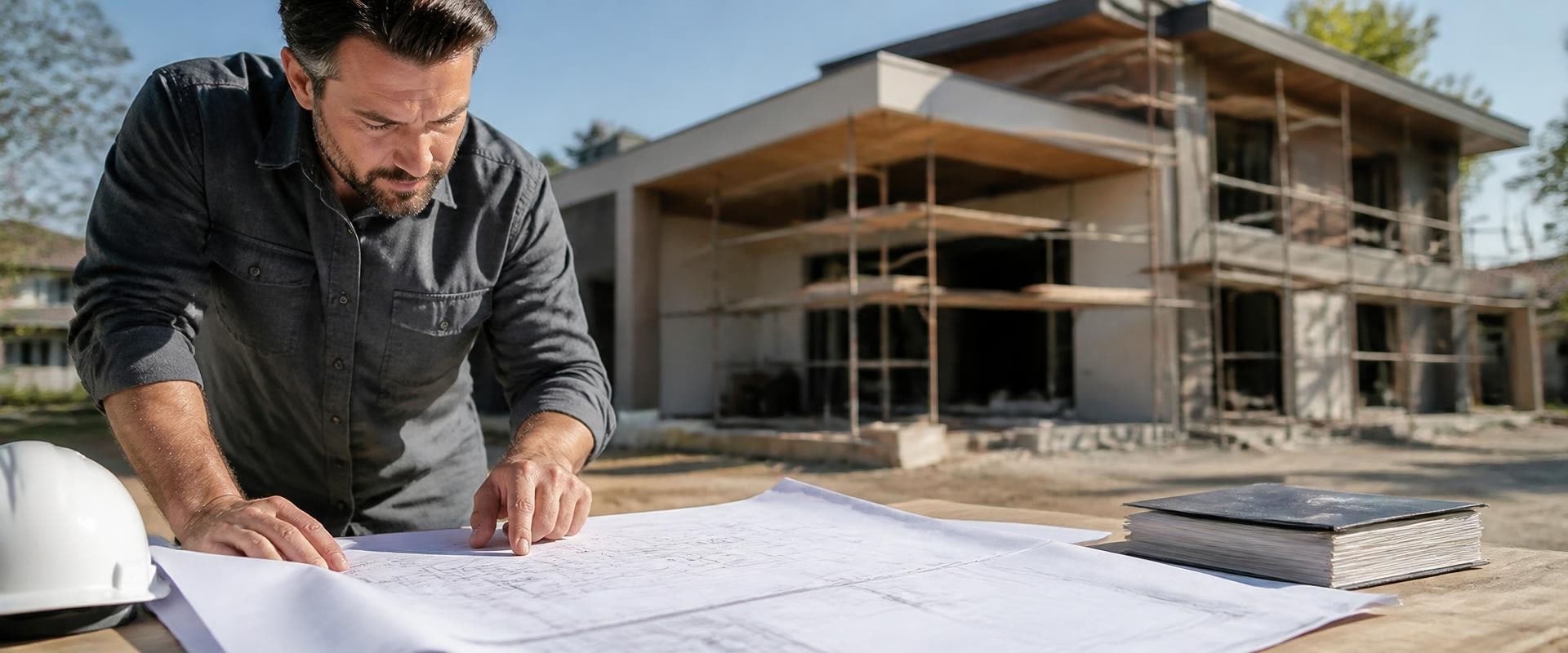
Navigating the intricate world of Residential building permits is a crucial step for anyone looking to embark on a construction project in California. With a diverse range of regulations and requirements that vary not only by city but also by county, understanding the landscape of residential building permits can seem daunting. Whether you are a seasoned contractor, an aspiring homeowner, or simply someone curious about the construction process, the complexities involved in obtaining these permits can significantly influence the success of any residential project. In California, where the demand for housing continues to rise, the regulatory framework surrounding residential building permits has become increasingly stringent. This is not just about compliance; it’s about ensuring safety, sustainability, and community standards.
As you delve deeper into this article, you will uncover the essential steps needed to navigate this regulatory maze effectively. From understanding local zoning laws to knowing the necessary documentation and potential costs involved, we will equip you with the knowledge required to successfully secure your residential building permits.Join us as we explore the intricacies of California's permitting process, demystifying what can often feel like an overwhelming task. By the end of this article, you will have a clearer understanding of how to approach your building project with confidence and clarity.
Residential building permits
are essential components of the construction landscape in California, playing a pivotal role in maintaining safety and ensuring compliance with local regulations. These permits are designed to uphold the quality of construction projects, protecting not only the homeowners and contractors involved but also the community at large.Understanding the nuances of residential building permits can significantly benefit a diverse audience, including homeowners planning renovations, contractors seeking guidance, and anyone interested in the evolving construction sector in California. The types of permits commonly required for various construction projects can differ significantly based on the nature of the work being undertaken. For instance, new builds typically necessitate a series of permits that include site development permits, building permits, and possibly environmental permits, depending on the location. Home remodels often require a building permit as well, especially if structural changes are involved or if the work affects electrical or plumbing systems. Additions to existing structures usually mandate a similar array of permits, as they alter the footprint of a property and may impact zoning regulations. The permit application process can seem daunting but understanding it step-by-step can make it more manageable.
First, applicants should begin by determining which permits are necessary for their specific project type. This can often be done by consulting with local planning departments or reviewing city guidelines online. Next, gathering the required documentation is crucial. This may include site plans, architectural drawings, proof of ownership, and any necessary engineering reports.
It’s advisable to double-check local requirements since they can vary widely between jurisdictions. Once the documentation is in order, applicants can submit their applications either online or in person at their local building department. Many jurisdictions now offer online portals that streamline this process. After submission, there is usually a review period during which officials evaluate the application for compliance with local codes and ordinances. Applicants may be required to attend hearings or meetings to discuss their projects further.
To increase chances of approval, it’s beneficial to be well-prepared to answer questions and provide additional information as requested by review boards. When discussing key state regulations, one must consider zoning laws and environmental considerations that significantly impact residential construction in California. Zoning laws dictate how land can be used within specific areas, influencing everything from building height and density to land use types. Additionally, environmental regulations often come into play, especially in areas susceptible to wildfires or flooding. Compliance with these regulations is not merely a bureaucratic hurdle; it is essential for ensuring that developments are sustainable and safe for future residents. However, navigating these regulations can present challenges for applicants.
Common hurdles include unexpected delays due to incomplete applications or misunderstandings regarding local codes. To overcome these obstacles, it’s crucial to engage with local officials early in the process and seek clarification when needed. Additionally, seeking assistance from professionals like architects or permit expediters who are familiar with local requirements can provide valuable insights and expedite the process. Real-life examples can highlight both successful permit acquisitions and common pitfalls to avoid. For instance, a homeowner in San Diego applied for a remodel permit without including necessary structural engineering reports, which delayed approval by several weeks.
In contrast, another homeowner in Los Angeles engaged an architect who not only prepared a thorough application but also anticipated potential zoning issues by consulting with city planners beforehand—resulting in a swift approval process. It’s important to acknowledge that differing viewpoints exist within the industry regarding residential building permits. Some argue that regulations are too stringent and slow down necessary housing developments, while others contend that rigorous permitting processes are essential for maintaining safety standards. Engaging in constructive dialogue about these perspectives can lead to better solutions that balance development needs with public safety considerations. In conclusion, understanding the complexities of residential building permits is vital for anyone involved in construction projects in California. By familiarizing oneself with the types of permits required, navigating the application process effectively, and staying informed about relevant regulations and challenges, individuals can significantly enhance their chances of successful project completion.
Challenges and Solutions
The process of obtaining residential building permits in California can be fraught with challenges for both homeowners and contractors.Understanding these hurdles is essential to ensure a smoother permitting experience. One common challenge is the complexity of local regulations, which can vary significantly from one municipality to another. Homeowners often find themselves overwhelmed by the specific codes and requirements that govern their projects. To tackle this issue, it is advisable to consult with local planning departments or hire a knowledgeable contractor who is familiar with the area’s regulations. Online resources, such as city or county websites, can also provide valuable information about specific requirements. Another significant hurdle is the time-consuming nature of the permitting process.
Delays can arise due to incomplete applications, backlogs at local agencies, or necessary revisions to plans. To mitigate these delays, it is crucial to prepare a comprehensive application package that includes all required documentation and drawings. Additionally, maintaining open communication with permitting officials can help clarify any questions that may arise during the review process. Finally, cost can be a significant barrier for many homeowners embarking on renovation projects. Permit fees can add up quickly, particularly for larger or more complex projects.
It’s important for homeowners to budget for these costs early in the planning stage. Exploring options for financing or seeking assistance from local housing authorities can also provide relief. By recognizing these challenges and proactively seeking solutions, both homeowners and contractors can navigate the residential building permit process more effectively, ultimately leading to successful construction outcomes.
Staying Updated on Industry News
In the ever-evolving landscape of California's construction industry, staying informed about changes in building codes, permit requirements, and market trends is crucial for anyone involved in residential construction. Whether you are a homeowner planning a renovation or a contractor navigating the complexities of project compliance, having access to reliable resources can make a significant difference in your success. One of the most effective ways to keep abreast of industry news is by subscribing to newsletters from local building departments and regulatory agencies. These organizations often provide updates on new legislation, code amendments, and changes in permit processes that could impact your projects.Additionally, many cities in California have dedicated websites where they post announcements and educational resources related to residential building permits.Trade associations and professional organizations, such as the California Building Industry Association (CBIA) and the American Institute of Architects (AIA), are also valuable sources of information. They regularly publish reports, guides, and articles that delve into current trends and future forecasts in the construction sector. Attending industry conferences, workshops, and seminars can further enhance your understanding by offering insights directly from experts and peers. For real-time updates, consider following relevant social media channels or forums where professionals discuss ongoing changes and share experiences. Platforms like LinkedIn often feature groups focused on construction and building permits where members can ask questions and exchange knowledge. Lastly, utilizing online tools such as Google Alerts can help you monitor specific keywords like residential building permits and receive notifications whenever new content is published.
This proactive approach ensures that you remain informed about pertinent developments in California's construction landscape.
Understanding California State Regulations
In California, residential building permits are governed by a complex framework of state regulations designed to ensure the safety and integrity of construction projects. One of the most significant regulations is the California Building Standards Code, which sets forth minimum construction standards applicable statewide. This code covers various aspects of building design and construction, including structural integrity, fire safety, accessibility, and energy efficiency. Local jurisdictions often adopt amendments to the California Building Standards Code, tailoring regulations to fit specific regional needs and conditions. These local amendments can address factors such as seismic activity, climate considerations, and community planning goals.Therefore, it is crucial for homeowners and contractors to be aware of both state and local regulations when applying for residential building permits.Compliance with these regulations is not merely a legal requirement; it is essential for ensuring public safety and minimizing risks associated with construction projects. Failure to adhere to these standards can result in costly delays, fines, or even the revocation of permits. Additionally, non-compliance can jeopardize the safety of the occupants and the longevity of the structures being built. To navigate the complexities of California residential building permits, it is advisable for individuals to consult with local building departments or hire professionals who are well-versed in both state regulations and local amendments. This proactive approach not only facilitates a smoother permitting process but also contributes to the overall quality and safety of construction projects throughout California.
Types of Residential Building Permits
Understanding the various types of residential building permits is crucial for anyone involved in construction or renovation projects in California.Each type of permit serves a specific purpose and ensures that the work being done adheres to safety and compliance standards. First and foremost, the general building permit is required for most residential construction projects. This permit covers a wide range of activities, including new constructions, additions, and significant renovations. It ensures that the overall structure meets local building codes and safety regulations. Next, there are specialized permits such as electrical permits. These are necessary when any electrical work is involved, including installations, upgrades, or repairs.
Ensuring that all electrical work is performed under the proper guidelines is vital for the safety of the home and its occupants. Similarly, plumbing permits are required for any plumbing-related work. This includes the installation of new pipes, fixtures, and appliances. Proper plumbing permits ensure that systems are installed correctly and comply with health and safety standards. Additionally, homeowners with properties located in historic districts or those classified as historic homes may need to acquire special permits. These permits often come with additional regulations aimed at preserving the historical integrity of the property while allowing for necessary renovations. Lastly, some projects may be subject to specific zoning laws that require unique zoning permits.
These permits ensure that construction aligns with local zoning regulations and land use policies. In conclusion, knowing the different types of residential building permits available in California is essential for navigating the permitting process effectively. Each permit plays a significant role in maintaining safety, compliance, and quality in construction projects.
The Permit Application Process
Applying for a building permit in California can be a detailed and structured process. Understanding the steps involved is crucial for homeowners and contractors alike to ensure a smooth application.Residential building permits
are essential to comply with local regulations and maintain safety standards. The first step in the permit application process is the initial planning stage.During this phase, applicants should gather necessary information about their project, including site plans, construction drawings, and specifications. It is advisable to consult with local building departments or professionals to understand specific requirements for your area. Once you have your documents ready, the next step is to submit your application. This typically involves filling out an application form and paying a fee. The fees vary depending on the jurisdiction and the scope of the project.
Be prepared to provide detailed information about your proposed construction, including dimensions, materials, and intended use. After submission, the application enters the review phase. During this time, the local building authority will assess the plans for compliance with zoning laws, building codes, and safety regulations. This phase can take anywhere from a few weeks to several months, depending on the complexity of the project and the workload of the permitting office. Once approved, you will receive your building permit, allowing you to begin construction. However, it is essential to adhere to any conditions laid out in the permit.
Throughout the construction process, inspections will be required at various stages to ensure compliance with the approved plans. To facilitate a smooth application process, consider these tips: first, double-check all submitted documents for accuracy; second, maintain open communication with local authorities; and third, allow extra time for potential revisions or additional requests. By following these steps and tips, you can successfully navigate the complexities of obtaining a residential building permit in California. In conclusion, navigating the complexities of residential building permits in California is essential for anyone involved in construction projects. We have explored the various types of residential building permits, detailed the permit application process, and examined the importance of adhering to California state regulations. Additionally, we discussed common challenges faced during the permitting process and proposed solutions to overcome them.
Staying informed about industry news is crucial for adapting to any changes that may affect your projects. Understanding these aspects not only ensures compliance with local codes but also enhances the safety and quality of your construction endeavors. Whether you are a homeowner planning renovations or a contractor seeking guidance, being well-versed in the permitting landscape will lead to more successful outcomes. We encourage readers to seek additional resources or consult with professionals when necessary to navigate this intricate process effectively.