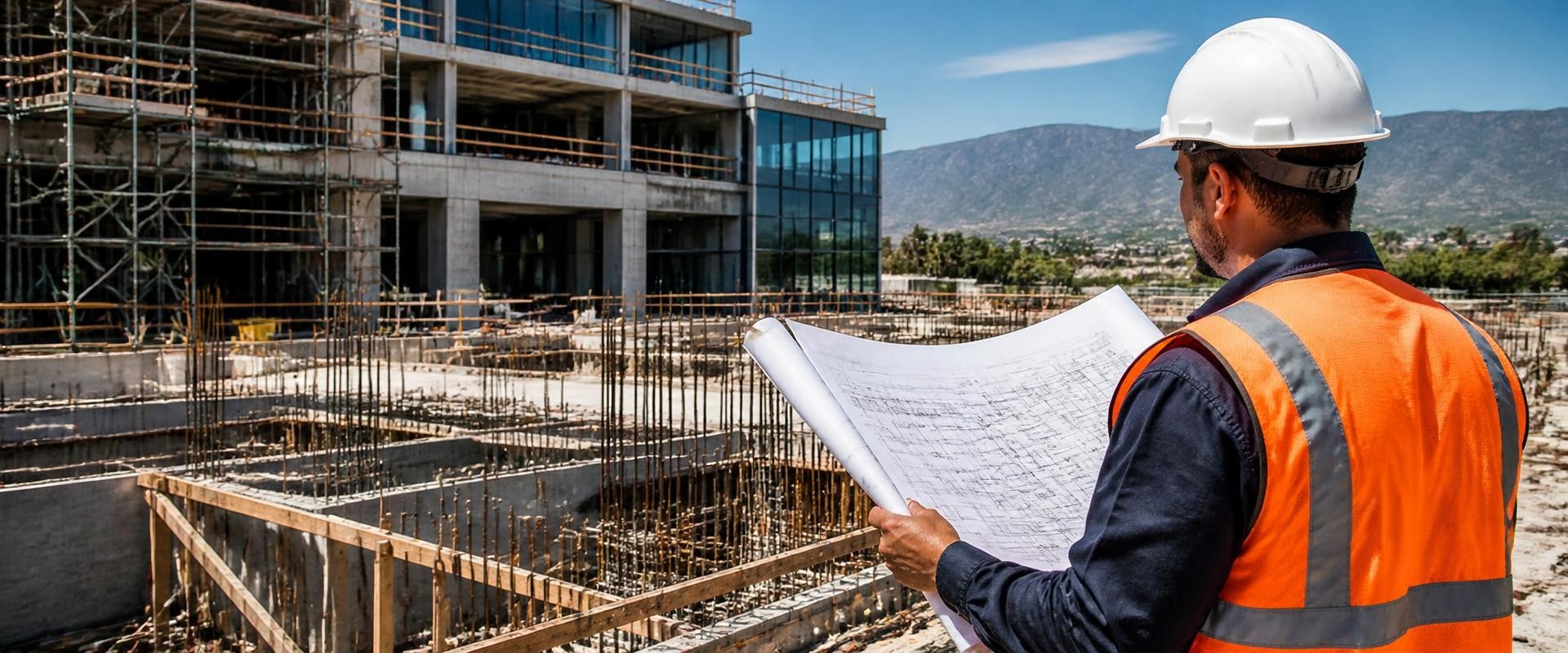
In the bustling world of construction, commercial building permits serve as a crucial gateway for businesses looking to establish or expand their physical presence. Whether you're a seasoned developer or a first-time entrepreneur, understanding the intricacies of these permits is essential for navigating the complex regulatory landscape of California. With its diverse economy and booming construction sector, the Golden State presents both opportunities and challenges for those seeking to embark on new commercial projects. The process of obtaining commercial building permits can often seem daunting, filled with layers of bureaucracy and compliance requirements. However, this guide aims to demystify that process, providing you with the knowledge and tools necessary to successfully maneuver through the permit application journey.
From initial planning stages to final approvals, we will explore the essential steps, common pitfalls, and best practices that can make or break your project. As we delve deeper into the landscape of commercial building permits in California, you will discover not only the importance of adhering to local regulations but also how these permits contribute to the overall safety, sustainability, and growth of our communities. So whether you're looking to build a new office complex, renovate an existing space, or expand your retail operations, join us as we navigate this vital aspect of California's construction industry.
Commercial building permits
are essential documents that authorize the construction, alteration, or demolition of commercial properties. These permits are crucial in ensuring that construction projects comply with local, state, and federal regulations, thereby safeguarding public health and safety. In California, the significance of obtaining a commercial building permit cannot be overstated, as it not only protects the welfare of the community but also enhances the success of construction endeavors by mitigating risks associated with regulatory non-compliance. The types of permits required for various commercial projects can vary significantly based on the nature and scope of the work.For instance, new construction projects typically require a comprehensive set of permits that cover zoning, environmental impact, and building codes. On the other hand, tenant improvements—which involve modifications to existing spaces for new tenants—may require less extensive permitting processes, often focusing on interior alterations. Additionally, alterations to existing structures may necessitate permits that ensure compliance with updated building codes and standards. Understanding the different categories of permits is crucial for contractors and property owners alike to navigate their projects effectively. The process of obtaining a commercial building permit in California involves several key steps.
Initially, applicants must submit detailed plans and documentation to their local permitting authority. This can include architectural drawings, structural calculations, and engineering reports. Furthermore, applicants are often required to pay fees that can vary depending on the project's size and scope. The timelines for permit approvals can fluctuate widely based on local jurisdiction processes; some permits might be issued within weeks, while others could take several months due to public hearings or additional reviews. Local jurisdictions play a critical role in shaping the permitting landscape.
Each city or county in California may have its own set of regulations and requirements that can affect the permitting process. For example, certain areas may have stricter environmental regulations or unique zoning laws that must be adhered to before a permit is granted. Therefore, it is vital for contractors and property owners to familiarize themselves with their local building department's guidelines to ensure a smooth permitting experience. Contractors often face challenges when navigating the licensing process and maintaining compliance with state regulations. One effective strategy is to establish a relationship with local officials early in the process.
Engaging with building inspectors and planning staff can provide valuable insights into potential issues that may arise during the review process. Additionally, ensuring that all documentation is complete and accurate before submission can significantly reduce delays and improve the chances of approval. Common challenges faced during the permitting process include bureaucratic hurdles and unexpected delays. These can stem from a variety of factors, such as incomplete applications or conflicts with local zoning laws. One way to address these challenges is through proactive communication with local authorities.
Keeping an open line of dialogue can help clarify expectations and facilitate quicker resolutions to any issues that arise. Case studies from successful projects illustrate how effective navigation of the permitting landscape can lead to project completion within budget and on schedule. For instance, a recent office renovation project in San Francisco encountered significant delays due to initial miscommunication regarding zoning requirements. However, after establishing clear communication with city planners and adjusting their application accordingly, the project team was able to expedite approvals and finish the renovation ahead of schedule. While concerns about delays or bureaucratic hurdles are valid, understanding the importance of commercial building permits and proactively managing the permitting process can mitigate many common frustrations. By staying informed about local regulations, preparing thorough documentation, and maintaining open communication with authorities, contractors and property owners can navigate California's complex permitting landscape more effectively.
Understanding Commercial Building Permits
A commercial building permit is a legal authorization issued by local government agencies that allows construction, renovation, or alteration of commercial properties.This type of permit is essential for several reasons. First and foremost, it ensures that all construction activities comply with local zoning laws, building codes, and safety regulations. Without a proper permit, construction projects may be halted, resulting in delays and increased costs. Obtaining a commercial building permit is crucial for safeguarding the health and safety of the public. These permits require inspections at various stages of construction to ensure that the work is performed to code.
This oversight helps prevent structural failures, fire hazards, and other safety issues that could arise from non-compliant construction practices. Moreover, having a valid commercial building permit is often a prerequisite for obtaining financing or insurance for a property. Lenders and insurance companies typically require proof that all necessary permits have been acquired to mitigate risks associated with the property. Therefore, failing to secure a permit can lead to financial complications for builders and property owners alike. Lastly, commercial building permits are an integral part of community planning and development. They help local governments manage growth and ensure that new constructions align with urban development goals.
This process fosters sustainable development that benefits the community as a whole.
Types of Commercial Building Permits
In California, commercial building permits are essential for ensuring that construction projects meet local, state, and federal regulations. These permits vary based on the type of construction activity, and understanding them is crucial for compliance and project success. One of the primary types of commercial building permits is the new construction permit. This permit is required when a completely new structure is being built. It encompasses various assessments, including zoning, environmental impact, and building codes. Another common type is the renovation or alteration permit.This permit is necessary when existing structures undergo significant changes. It ensures that modifications adhere to safety standards and do not compromise the integrity of the building. The tenant improvement permit is specifically for alterations made to existing spaces to accommodate new tenants. This type of permit focuses on interior changes that affect safety and accessibility. Additionally, there are demolition permits required for tearing down existing structures. These permits help regulate how demolitions are conducted to ensure public safety and environmental protection. Lastly, special permits may be needed for unique projects or specific circumstances, such as historical preservation or variances from zoning laws.
These permits require additional scrutiny and often involve public hearings. Understanding the various types of commercial building permits is crucial for homeowners, contractors, and industry professionals alike, as it helps streamline the construction process and ensures compliance with legal requirements.
Navigating Local Regulations
In California, the process of obtaining commercial building permits is heavily influenced by local regulations, which can vary significantly from one municipality to another. Each city or county has its own set of laws and guidelines that dictate the requirements for construction projects, making it essential for applicants to familiarize themselves with these local nuances. Local regulations may impact several aspects of the permitting process, including zoning laws, building codes, and environmental regulations. For instance, a city may have specific zoning ordinances that dictate where certain types of commercial buildings can be constructed. These ordinances are designed to ensure that new developments are in harmony with the community’s character and land use plans. Moreover, building codes set by local authorities establish the minimum standards for construction and safety.These codes cover various aspects such as structural integrity, fire safety, accessibility, and energy efficiency. Adhering to these codes is crucial not only for obtaining commercial building permits but also for ensuring the safety and well-being of future occupants. Environmental regulations can also play a significant role in the permitting process. In California, local jurisdictions may enforce additional requirements related to environmental impact assessments, especially for projects that could affect sensitive ecosystems or historical sites. Understanding these regulations early in the planning phase can save time and resources in the long run. In summary, navigating local regulations is a fundamental step in acquiring commercial building permits in California.
Stakeholders—including homeowners, contractors, and industry professionals—must engage with local planning departments to ensure compliance with all relevant laws and guidelines. This proactive approach not only facilitates a smoother permitting process but also contributes to the overall success of construction projects.
Staying Updated on Industry News
In the ever-evolving landscape of commercial building permits, staying informed about changes in regulations and industry trends is crucial for both contractors and homeowners. Knowledge of the latest updates can help avoid potential pitfalls and ensure compliance with local laws. One of the best resources for staying updated is the official websites of local government agencies that handle commercial building permits. These websites often provide updates on new legislation, changes in zoning laws, and other essential information that can impact construction projects.For instance, California's Department of Building and Safety frequently publishes news releases and guidelines that are invaluable for those in the construction industry. Industry associations, such as the California Building Industry Association (CBIA) and the Associated General Contractors (AGC), also serve as excellent resources. They offer newsletters, webinars, and workshops that cover the latest trends and regulatory changes affecting commercial building permits. Engaging with these organizations can provide networking opportunities and insights from seasoned professionals. Additionally, subscribing to trade publications and online platforms focused on construction news can keep contractors and homeowners informed about emerging trends and best practices in the industry. Websites like Construction Dive and The Architect's Newspaper offer articles that cover a wide range of topics, including updates on permit requirements. Lastly, social media platforms can also be a valuable tool for real-time updates.
Following relevant hashtags or accounts related to commercial building permits can help individuals stay in touch with ongoing discussions, expert opinions, and community insights.
Challenges in Obtaining Permits
Obtaining commercial building permits in California can be a complex and often frustrating process. Applicants frequently encounter several challenges that can delay their projects and increase costs. Understanding these challenges is crucial for successfully navigating the permit landscape. One common challenge is the complexity of regulations. California has numerous local, state, and federal regulations that must be adhered to, which can vary significantly from one jurisdiction to another.This complexity often leads to confusion among applicants, particularly those who are unfamiliar with the specific requirements of their local building department. To mitigate this issue, it is advisable for applicants to consult with local officials early in the planning process to gain a clearer understanding of the necessary permits and regulations. Another significant hurdle is the lengthy review process. The time it takes for a permit application to be reviewed can vary widely, often stretching from weeks to several months. Delays may occur due to incomplete applications or the need for additional documentation.
To overcome this challenge, applicants should ensure that all required documents are submitted accurately and completely at the outset. Utilizing checklists provided by local authorities can help streamline this process. Additionally, applicants often face high fees associated with obtaining permits. These fees can be a financial burden, especially for small businesses and startups. To address this challenge, it’s essential for applicants to budget for permit costs early in their project planning.
They should also inquire about any potential fee waivers or assistance programs that may be available through local government or industry organizations. Lastly, securing necessary approvals from multiple agencies can complicate the permitting process. Projects may require approvals from various departments, such as zoning, fire safety, and environmental agencies. This can lead to conflicting requirements and further delays. To navigate this effectively, applicants should create a comprehensive project timeline that includes all necessary approvals and establish communication with each agency involved to ensure alignment and expedite the process. In summary, while obtaining commercial building permits in California presents several challenges, proactive planning and open communication with local authorities can significantly improve the likelihood of a smooth permitting experience.
The Permit Application Process
Applying for a commercial building permit in California involves a systematic approach to ensure compliance with local regulations and standards.The process can be broken down into several key steps:1.Determine the Need for a Permit: Before starting any construction project, it is essential to determine if a commercial building permit is required. This typically depends on the scope of the work, such as new construction, alterations, or significant repairs. Consulting local building codes can provide clarity on the requirements.
2.Gather Necessary Documentation:
Once the need for a permit is established, the next step is to collect all necessary documentation. This often includes site plans, architectural drawings, structural calculations, and any other relevant documents that demonstrate compliance with zoning laws and safety regulations.3.Complete the Application Form:
After gathering the required documentation, applicants must fill out the commercial building permit application form.This form usually requires detailed information about the project, including the project description, property details, and contact information of the applicant.
4.Submit the Application:
The completed application and accompanying documents must be submitted to the appropriate local building department. Depending on the jurisdiction, this may involve an in-person visit or an online submission process.5.Pay Applicable Fees:
Along with the application submission, applicants are typically required to pay associated fees. These fees can vary based on the project's size, complexity, and location. It’s advisable to check with the local building department for an accurate fee schedule.6.Review and Approval Process:
After submission, the application will undergo a review process by building officials.They will assess whether the proposed project meets all safety and zoning requirements. This may involve multiple departments, including planning, fire safety, and environmental reviews.
7.Addressing Comments and Revisions:
During the review process, applicants may receive comments or requests for revisions from building officials. It’s crucial to address these promptly and accurately to avoid delays in approval.8.Permit Issuance:
Once all requirements are met and any necessary adjustments are made, the building department will issue the commercial building permit. This permit must be displayed prominently at the construction site throughout the duration of the project.9.Inspections:
After obtaining the permit, various inspections will be required at different stages of construction to ensure compliance with approved plans and safety standards.Failure to pass inspections can lead to project delays and additional costs. Understanding this permit application processpermit application process is crucial for all stakeholders involved in commercial construction projects in California, ensuring a smoother path toward successful project completion. In conclusion, understanding commercial building permits is crucial for anyone involved in the construction industry in California. Throughout this article, we have highlighted the importance of these permits in ensuring safety, compliance with regulations, and the overall success of construction projects. We explored various types of commercial building permits, the application process, local regulations, and the challenges one might face during the permitting journey. It is essential for homeowners, contractors, and industry professionals alike to be well-informed about these processes. By doing thorough research and staying updated on industry news, you can navigate the complexities of obtaining a commercial building permit more effectively.
Additionally, seeking guidance from experienced professionals can help you overcome obstacles and streamline your projects. Ultimately, being knowledgeable about commercial building permits not only contributes to the safety and legality of your construction efforts but also enhances the potential for successful outcomes.