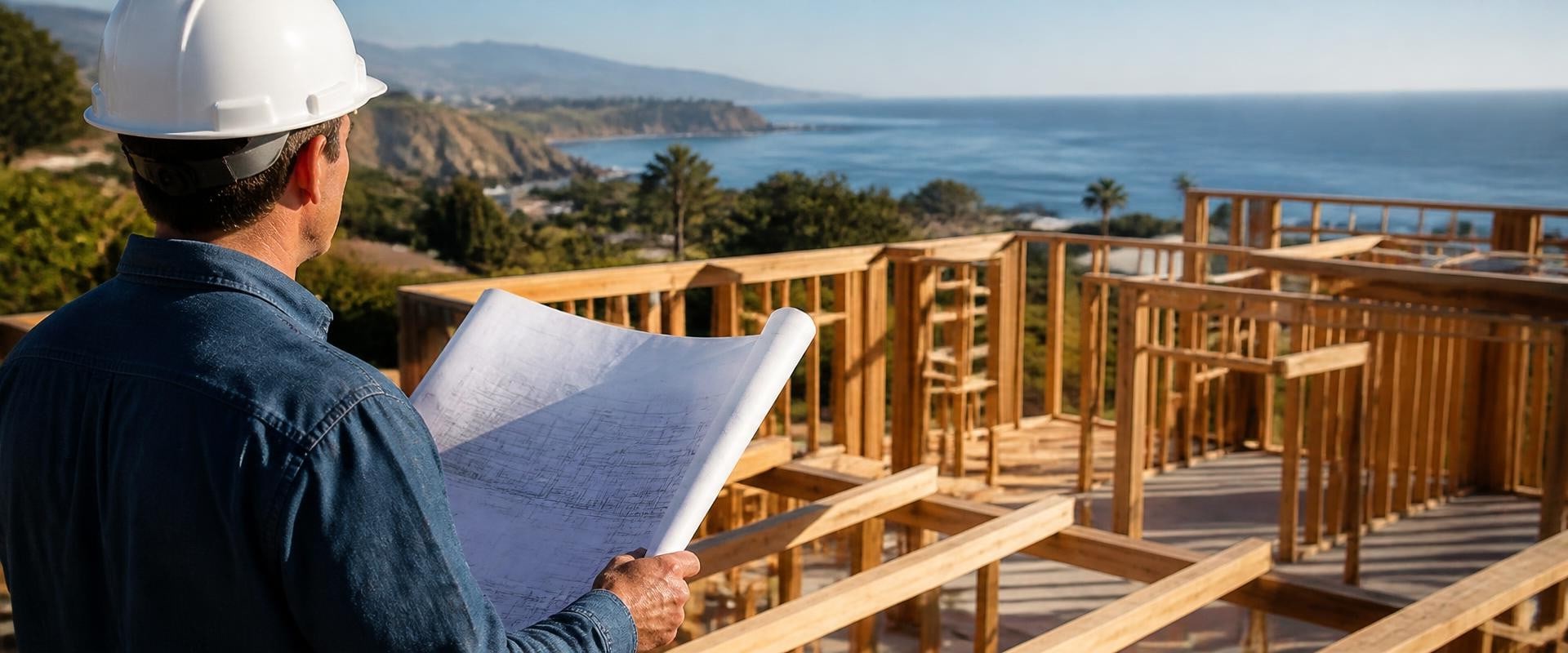
Welcome to the intricate world of California's Building Code, a critical framework that governs construction practices across the Golden State. Whether you are a seasoned contractor, an aspiring builder, or a homeowner embarking on a renovation journey, understanding these regulations is essential. In California, where diverse climates and unique geological features pose distinct challenges, the building code ensures safety, sustainability, and structural integrity. As you navigate through the vast landscape of construction regulations, you may find yourself overwhelmed by the extensive details and requirements that the California Building CodeCalifornia Building Code encompasses. This code not only outlines the minimum standards for construction but also reflects the state's commitment to environmental responsibility and resilience against natural disasters.
From seismic safety measures to energy efficiency standards, every aspect is meticulously designed to safeguard both lives and properties. In this article, we aim to demystify the California Building Code and provide essential insights that will empower you in your construction endeavors. We will explore key components of the code, highlight important updates, and share practical tips to help you navigate compliance with ease. Whether you are planning a new build or renovating an existing structure, understanding these regulations will not only enhance your project’s success but also ensure that you are contributing to the long-term safety and sustainability of our communities. Join us as we delve deeper into the specifics of California's building regulations, arming you with the knowledge you need to make informed decisions in your construction projects. The California Building Code (CBC) is a crucial framework that governs construction practices across the state. Its primary purpose is to ensure the safety, health, and welfare of the public by establishing standards for building design and construction.
This comprehensive set of regulations affects various types of construction projects, from residential renovations to large-scale commercial developments. Understanding the nuances of the CBC is essential for homeowners planning renovations, contractors seeking compliance, and anyone involved in the construction industry. One of the key components of the California Building Code is its emphasis on safety. The code is designed to mitigate risks associated with natural disasters, such as earthquakes and wildfires, which are prevalent in California. For instance, regulations concerning seismic design ensure that buildings can withstand earthquakes, while fire-resistant construction materials are mandated in high-risk fire zones.
These safety measures not only protect occupants but also help safeguard investments in real estate. Obtaining building permits is another critical aspect governed by the California Building Code. Before commencing any construction project, homeowners and contractors must secure the necessary permits from local authorities. This process typically involves submitting detailed plans and specifications that demonstrate compliance with the code. The importance of obtaining these permits cannot be overstated; they validate that the proposed work meets all local and state safety standards, which helps prevent costly fines and legal issues down the line. The process for applying for permits can vary significantly depending on the scope of the project and the jurisdiction in which it takes place.
Generally, applicants must provide a range of documentation, including architectural drawings, engineering calculations, and site plans. Additionally, proof of ownership or authorization from property owners may be required. Timelines for permit approval can differ as well; minor projects may receive permits within a few weeks, while larger, more complex undertakings could take several months. Homeowners and contractors should be prepared for potential delays and should factor this into their project timelines. In addition to the California Building Code, several state regulations govern construction practices that further emphasize safety and quality standards.
For example, the California Energy Code mandates energy efficiency requirements for new constructions and major renovations. Compliance with these regulations not only contributes to environmental sustainability but also reduces long-term operational costs for homeowners and businesses alike.Contractor licensing requirements are another critical facet of navigating the For example, the California Energy Code mandates energy efficiency requirements for new constructions and major renovations. Compliance with these regulations not only contributes to environmental sustainability but also reduces long-term operational costs for homeowners and businesses alike. Contractor licensing requirements are another critical facet of navigating the California Building Code. In California, contractors must obtain a valid license from the Contractors State License Board (CSLB) to legally perform work valued at $500 or more. This licensing process includes passing exams that cover relevant laws, regulations, and trade-specific knowledge.
It’s essential for contractors to stay informed about any changes to licensing requirements as well as ongoing education opportunities that can enhance their skills and expertise. Staying updated with the latest industry news and trends is vital for both homeowners and contractors. Various resources are available to help individuals remain informed about changes to building codes, regulations, and best practices. For instance, professional organizations such as the California Building Officials (CALBO) provide training programs, workshops, and publications aimed at keeping stakeholders updated on emerging issues in construction regulation. Real-life examples often illustrate the common challenges faced by homeowners and contractors when navigating these regulations. For instance, a homeowner planning a kitchen remodel may inadvertently begin work without securing the necessary permits, only to discover that their project does not comply with local codes related to electrical wiring or plumbing.
This oversight could lead to costly fines or even a mandate to halt construction until proper permits are obtained. Similarly, contractors might encounter delays when dealing with permit approvals or inspections if they fail to submit complete documentation on time. In summary, understanding the California Building Code is essential for anyone involved in construction within the state. By grasping its key components—including safety standards, permit processes, state regulations governing construction practices, contractor licensing requirements, and available resources—homeowners and contractors can navigate the complexities of building compliance more effectively. Ultimately, adherence to these codes not only ensures that projects are completed safely and efficiently but also enhances the overall quality of construction in California.
Overview of the California Building Code
The California Building Code (CBC) has its roots in the early 20th century, evolving through various legislative and regulatory changes to address the growing needs of a diverse and dynamic population.Initially established in 1927, the code was designed to provide a standardized framework for building safety and efficiency across the state. Over the decades, it has undergone numerous revisions to adapt to advancements in construction technology, materials, and sustainability practices. The primary goals of the California Building Code are to ensure public safety, promote health, and enhance the welfare of residents by regulating building construction and modifications. This includes guidelines for structural integrity, fire safety, energy efficiency, and accessibility. By setting these standards, the CBC plays a crucial role in minimizing hazards associated with construction and ensuring that buildings can withstand natural disasters such as earthquakes, which are prevalent in California. The impact of the California Building Code on construction practices is significant.
For homeowners planning renovations, understanding these codes is vital to avoid costly mistakes and ensure compliance with state regulations. For contractors, knowledge of the CBC is essential for obtaining necessary permits and passing inspections. Moreover, adherence to these codes fosters a culture of safety and responsibility within the construction industry, ultimately leading to improved quality of life for California residents.
Understanding Building Permits
Building permits are essential documents required by local governments in California to ensure that construction projects comply with the California Building Code and other regulations. Securing a permit is a critical step in the construction process, whether you are a homeowner planning a renovation or a contractor taking on a new build. The permit application process typically begins with submitting a detailed application to your local building department.This application will require various supporting documents, including architectural plans, engineering calculations, and specifications of the materials to be used. The specific documents needed can vary depending on the scope of the project and local regulations. In addition to the application and documentation, applicants must also pay a permit fee. The costs associated with obtaining a building permit can vary widely based on the project type, location, and size. On average, homeowners can expect to pay anywhere from a few hundred to several thousand dollars for permits.
It’s advisable to check with your local building department for specific fee schedules. The time it takes to receive approval for a building permit can also vary significantly. Generally, the review process can take anywhere from a few days to several weeks, depending on the complexity of the project and the workload of the local building department. Projects that involve significant changes or new constructions often undergo more rigorous scrutiny, which can extend approval times. It’s crucial for both homeowners and contractors to plan ahead and factor in these timelines into their construction schedules. Delays in obtaining necessary permits can lead to project holdups and increased costs.
Contractor Licensing in California
In California, obtaining a contractor license is a crucial step for anyone looking to work legally in the construction industry.The California Contractors State License Board (CSLB) is the governing body that oversees the licensing process, ensuring that all contractors meet specific standards of skill and knowledge. To obtain a contractor's license in California, applicants must first meet certain prerequisites. These include being at least 18 years old, possessing a valid Social Security number or Individual Taxpayer Identification Number, and having the necessary experience in the construction field. Typically, candidates are required to have at least four years of journey-level experience in their chosen trade. Once the prerequisites are met, candidates must pass a series of examinations. The examination process generally consists of two parts: a Law and Business exam and a trade-specific exam.
The Law and Business exam covers essential topics such as contracts, labor laws, and safety regulations, while the trade-specific exam assesses knowledge pertinent to the contractor's particular field of expertise. Before taking the exams, applicants must submit an application to the CSLB along with the appropriate fees. After approval, they will receive information on scheduling their exams. It is advisable for candidates to prepare thoroughly for both tests, as passing scores are required to obtain licensure. Once licensed, contractors must also adhere to ongoing requirements such as renewing their licenses every two years and completing continuing education courses to stay updated on any changes in the laws or building codes.
Staying Informed: Industry News and Trends
In the ever-evolving landscape of construction, staying informed about the latest developments in the California Building Code is crucial for both contractors and homeowners. With frequent updates and revisions to regulations, having access to reliable resources can help ensure compliance and enhance project safety. One of the most effective ways to stay updated is by regularly visiting the official California Building Standards Commission website.This platform provides a comprehensive overview of current codes, proposed changes, and updates on public hearings. Additionally, subscribing to newsletters from professional organizations such as the California Contractors State License Board (CSLB) can deliver timely information directly to your inbox. Trade associations like the National Association of Home Builders (NAHB) and the Associated General Contractors of America (AGC) also offer valuable insights into industry trends and regulatory changes. These organizations often host webinars, workshops, and seminars that cover critical updates in building codes and construction practices. Furthermore, following reputable construction blogs and news outlets can provide anecdotal insights into how these regulations are impacting projects on the ground. Websites like Construction Dive and The Construction Specifier frequently publish articles detailing recent code changes and industry best practices. Lastly, engaging with local building departments can facilitate a better understanding of regional code applications.
Many municipalities hold community meetings or provide online resources that can clarify specific local interpretations of the California Building Code.
Key Regulations and Compliance
California Building Code (CBC) serves as a comprehensive framework designed to ensure safety, accessibility, and sustainability in construction projects throughout the state. For homeowners and contractors alike, understanding the key regulations outlined in the CBC is crucial for compliance and successful project execution. One of the primary components of the California Building Code is its division into various parts that address different aspects of construction. These include structural integrity, fire safety, accessibility, and energy efficiency. Each of these areas contains specific regulations that must be adhered to, depending on the type of project being undertaken. For residential construction, homeowners planning renovations or new builds must pay particular attention to regulations concerning building heights, setbacks, and land use.The CBC mandates that homes meet certain standards for seismic safety, given California's susceptibility to earthquakes. Compliance with local zoning laws and obtaining proper permits are also essential steps in ensuring that residential projects meet legal requirements. On the other hand, commercial construction projects entail additional considerations under the CBC. Businesses must adhere to stricter guidelines regarding occupancy loads, fire exits, and accessibility requirements for individuals with disabilities. The code specifies detailed provisions for materials used in commercial buildings, ensuring they meet fire-resistance ratings and other safety measures.
Furthermore, developers must navigate local amendments and additional regulations that may apply based on the specific city or county. In addition to understanding these regulations, it is vital for all parties involved in construction projects to engage with local building departments early in the planning process. This engagement ensures that projects align with the California Building Code while also addressing any unique considerations posed by local jurisdictions. In conclusion, understanding the California Building Code is crucial for anyone involved in the construction industry, whether you are a homeowner planning renovations or a contractor ensuring compliance. These codes not only promote safety and efficiency but also protect the investment made in construction projects. Staying informed about key regulations and building permits can help prevent costly mistakes and legal issues down the line. We encourage our readers to actively seek out further information from local authorities or industry professionals.
Engaging with these resources will ensure that you remain compliant with all regulations, ultimately contributing to the success of your construction endeavors.