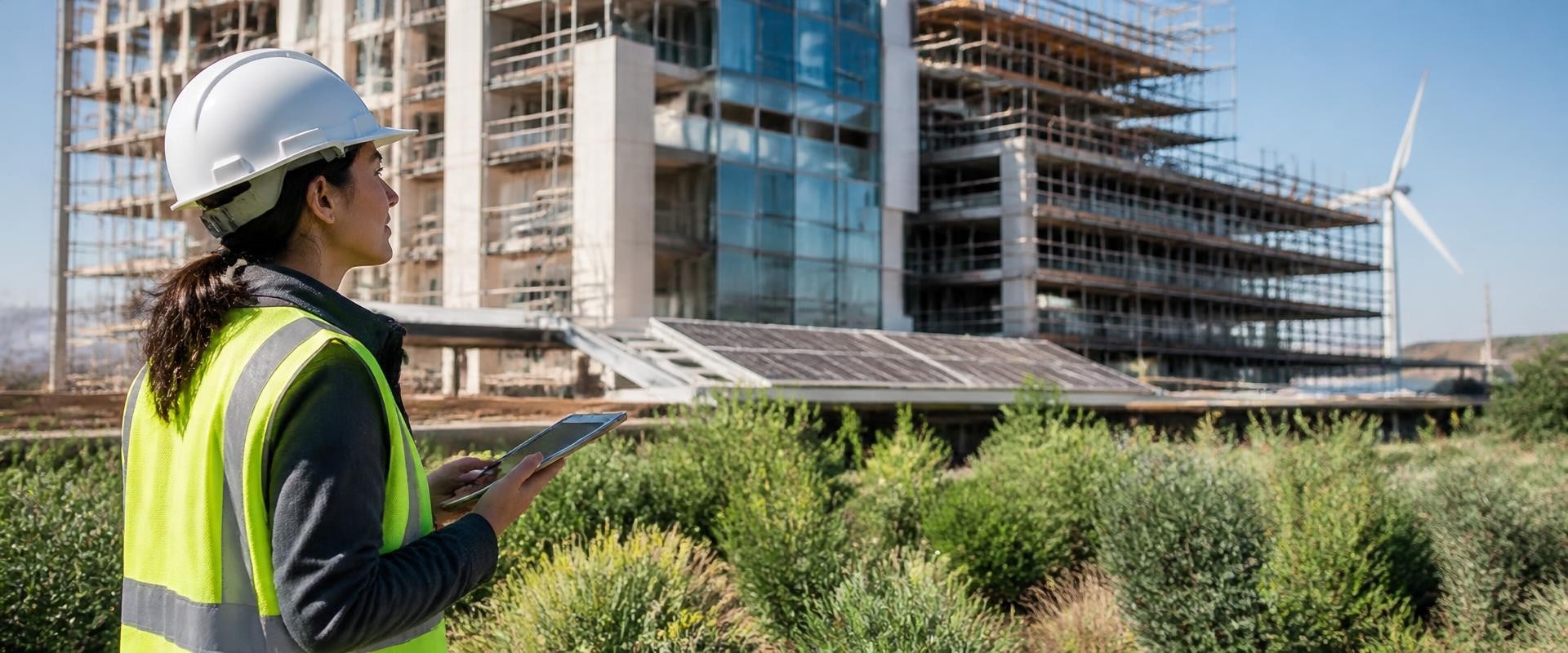
In the rapidly evolving landscape of commercial construction, understanding the intricacies of Environmental regulations affecting commercial builds is crucial for developers, architects, and business owners alike. As California continues to pave the way for sustainable development, navigating these regulations becomes not just a legal necessity but a moral imperative. The state’s commitment to environmental preservation is reflected in its comprehensive legislative framework, which aims to balance economic growth with ecological responsibility. As you embark on your journey through the world of commercial construction in California, it is essential to recognize that compliance with environmental regulations can significantly impact project timelines, costs, and overall feasibility. Whether you are planning a new office building, retail space, or industrial facility, being well-versed in these regulations will empower you to make informed decisions that align with both your business goals and environmental stewardship. This article will delve into the various environmental regulations that govern commercial construction in California, shedding light on their implications and how they can affect your building projects.
From understanding the importance of sustainability in design to recognizing the mandatory compliance measures required at every stage of construction, we aim to equip you with the knowledge needed to navigate this complex regulatory landscape. Join us as we explore the essential aspects of environmental regulations in California’s commercial construction sector. By doing so, you’ll not only enhance your understanding but also position your projects for success in an increasingly environmentally conscious marketplace. Understanding environmental regulations is crucial for anyone involved in California's commercial construction sector. These regulations are designed to protect the environment while allowing for development, and they impact builders, contractors, and homeowners alike. A variety of environmental regulations govern different aspects of construction, including zoning laws, air quality standards, water usage regulations, and waste management protocols. Zoning laws dictate how land can be used and what types of buildings can be constructed in specific areas.
This is particularly important in California, where urban development often clashes with environmental preservation efforts. Contractors must navigate these zoning laws to ensure that their projects are compliant with local ordinances and do not disrupt natural habitats or violate land use policies. Air quality standards are another critical component of environmental regulations affecting commercial builds. California has some of the strictest air quality regulations in the nation, aimed at reducing pollutants and protecting public health. Builders must implement measures to minimize emissions from construction activities and ensure that materials used in their projects do not contribute to air quality issues. Water usage regulations are also significant, especially in a state like California that frequently faces drought conditions.
Contractors are required to adhere to strict guidelines regarding water usage during construction and must often incorporate sustainable water management practices into their projects. This can include using recycled water for dust control or implementing systems designed to capture and reuse rainwater. Furthermore, waste management protocols dictate how construction waste must be handled. California promotes recycling and waste diversion as part of its commitment to sustainability, requiring contractors to develop waste management plans that align with state goals for reducing landfill use. The process of obtaining necessary building permits involves several steps and can vary significantly depending on the project scope and location. Generally, contractors must submit detailed plans and documentation that demonstrate compliance with all relevant environmental regulations.
Timelines for obtaining these permits can vary; some may be issued quickly, while others could take weeks or even months if additional reviews or public hearings are required. Recently, there have been updates in environmental regulations that contractors should be aware of. For instance, changes in the California Environmental Quality Act (CEQA) have made it essential for developers to conduct more thorough environmental impact assessments before commencing projects. These assessments help identify potential environmental consequences and outline necessary mitigation measures. Staying informed about industry news is vital for contractors and homeowners alike. By keeping up with the latest developments in environmental regulations, stakeholders can better navigate the complexities of compliance and avoid potential pitfalls.
Resources such as industry newsletters, local government websites, and professional associations can provide valuable insights into current trends and changes. Real-life scenarios illustrate the importance of compliance with environmental regulations. For example, a commercial builder who adhered to the latest air quality standards was able to avoid costly fines and delays during inspections. In contrast, another contractor who underestimated the importance of complying with water usage regulations faced significant setbacks when their project was halted due to non-compliance issues. While there is a general consensus on the necessity of environmental regulations, there are differing opinions regarding the balance between development and environmental protection. Some argue that stringent regulations hinder economic growth and development opportunities, while others believe that protecting the environment is paramount for future sustainability.
This ongoing debate highlights the need for open dialogue among stakeholders to find common ground that supports both development and environmental stewardship.
Key Environmental Regulations in California
California has established a comprehensive framework of environmental regulations that significantly influence the commercial construction industry. These regulations are designed to protect the environment while promoting sustainable building practices. Understanding these laws is crucial for builders, contractors, and homeowners alike. One of the primary regulations is the California Environmental Quality Act (CEQA), which mandates that all state and local agencies assess the environmental impacts of their proposed projects before approval. This means that any commercial construction project must undergo an environmental review to identify potential impacts on air quality, water resources, and natural habitats. Additionally, the California Green Building Standards Code (CALGreen) sets mandatory green building standards for new commercial buildings.This code focuses on reducing energy consumption, conserving water, and improving indoor air quality, thereby promoting sustainable construction practices. The Federal Clean Water Act also plays a vital role in regulating discharges into waters of the United States. In California, this includes strict regulations that require builders to obtain permits for any construction that may affect water quality or aquatic habitats. Moreover, the Air Quality Management District (AQMD) regulations aim to control air pollution from construction activities. Contractors are required to implement dust control measures and adhere to emissions standards to minimize their impact on local air quality. Compliance with these regulations not only helps protect the environment but also ensures that projects proceed without legal complications. Builders and contractors must stay informed about any updates or changes to these laws to maintain compliance and support sustainable development in California's commercial construction sector.
Practical Tips for Contractors and Homeowners
Navigating environmental regulations in California's commercial construction sector can be a complex process for both contractors and homeowners.Here are some practical tips to help you stay compliant and streamline the permitting process.
Understand Local Regulations:
Before starting any project, familiarize yourself with local environmental regulations that may apply to your construction site. Different cities and counties may have specific rules regarding land use, waste management, and emissions.Engage Early with Regulatory Agencies:
It is advisable to engage with local regulatory agencies early in the planning phase. This can provide insights into necessary permits and approvals, helping to avoid delays later in the project.Obtain Necessary Permits:
Ensure that all required permits are obtained prior to beginning construction. This includes building permits as well as environmental permits related to water quality, air quality, and hazardous materials.Consult with Experts:
Consider consulting environmental engineers or compliance specialists who can help navigate the complexities of environmental regulations.They can provide valuable guidance on best practices and compliance strategies.
Implement Sustainable Practices:
Adopt sustainable building practices that align with environmental regulations. This may include using eco-friendly materials, implementing energy-efficient systems, and minimizing waste during construction.Stay Informed:
Environmental regulations can change frequently. Stay informed about new legislation and amendments that could affect your project. Joining local contractor associations or subscribing to industry newsletters can be helpful.Document Everything:
Keep thorough records of all communications with regulatory agencies, as well as documentation related to permits and compliance measures.This will be invaluable if you encounter any questions or challenges during the construction process. By following these tips, contractors and homeowners can effectively navigate environmental regulations, ensuring a smoother construction process while promoting sustainable building practices in California.
Recent Trends and News in California Construction
In recent years, California has seen a significant shift in the commercial construction landscape, particularly concerning environmental regulations. The state has consistently led the nation in implementing stringent laws aimed at reducing the environmental impact of construction activities. One of the most notable developments has been the introduction of the California Green Building Standards Code, also known as CALGreen, which sets forth mandatory measures for energy efficiency, water conservation, and sustainable building practices. Another trend gaining traction is the increased focus on carbon neutrality. In 2021, California enacted legislation that mandates all new commercial buildings to achieve net-zero greenhouse gas emissions by 2030.This ambitious goal has prompted builders and contractors to adopt innovative technologies and sustainable materials that align with these regulations. Additionally, the rise of smart building technologies is reshaping the way construction companies approach environmental compliance. These technologies not only optimize energy use but also facilitate real-time monitoring and reporting to ensure adherence to state regulations. As a result, builders are increasingly investing in systems that enhance operational efficiency while meeting legal requirements. Moreover, recent court rulings have highlighted the importance of thorough environmental impact assessments (EIAs) before commencing large-scale commercial projects. The California Supreme Court's decision in a landmark case emphasized that developers must evaluate the potential effects on local ecosystems and comply with is reshaping the way construction companies approach environmental compliance. These technologies not only optimize energy use but also facilitate real-time monitoring and reporting to ensure adherence to state regulations. As a result, builders are increasingly investing in systems that enhance operational efficiency while meeting legal requirements. Moreover, recent court rulings have highlighted the importance of thorough environmental impact assessments (EIAs) before commencing large-scale commercial projects. The California Supreme Court's decision in a landmark case emphasized that developers must evaluate the potential effects on local ecosystems and comply with CEQA (California Environmental Quality Act) guidelines before obtaining permits. Finally, public awareness and activism surrounding climate change have driven both consumers and investors to prioritize sustainability in their purchasing decisions.
This shift is influencing builders to not only comply with existing regulations but to also seek certifications such as LEED (Leadership in Energy and Environmental Design) to demonstrate their commitment to sustainable construction.
The Permit Process: Steps to Compliance
Obtaining building permits in California's commercial construction sector is a crucial step for ensuring compliance with environmental regulations. The process can be intricate, involving multiple steps that require careful attention to detail. Below are the key steps necessary to navigate the permit process effectively:1.Preliminary Research: Before initiating the permit application, builders and contractors should conduct thorough research on local zoning laws and environmental regulations. Understanding the specific requirements of the jurisdiction where the project will take place is essential.2.Site Assessment:
A comprehensive site assessment is vital to identify potential environmental impacts.This may involve conducting environmental studies or assessments to evaluate soil quality, water resources, and local wildlife habitats.
3.Prepare Required Documentation:
Applicants must prepare a variety of documents, including plans, specifications, and reports that demonstrate compliance with environmental standards. This documentation is critical for the permit review process.4.Submit the Application:
Once all documentation is prepared, the next step is to submit the building permit application to the appropriate local authority. It's important to ensure that all forms are completed accurately to avoid delays.5.Review Process:
After submission, the local authority will review the application and may request additional information or modifications. Engaging with officials during this stage can help expedite the process.6.Public Notice and Comment Period:
Depending on the project scope, there may be a public notice period allowing community members to voice concerns or support.This step is crucial for projects that could significantly impact the environment.
7.Permit Issuance:
If all requirements are met and there are no significant objections, the permit will be issued. Builders must keep a copy of this permit on-site during construction as proof of compliance.8.Inspections:
Throughout the construction process, various inspections will be conducted to ensure adherence to environmental regulations. It is essential for builders to cooperate with inspectors and address any issues promptly.9.Final Approval:
Upon successful completion of all inspections and compliance checks, final approval will be granted, allowing the project to move forward. Following these steps diligently will help builders and contractors ensure compliance with California's environmental regulations, ultimately leading to more sustainable commercial construction practices. In conclusion, adhering to environmental regulations is crucial for the success of commercial construction projects in California. These regulations not only ensure compliance with state laws but also promote sustainable building practices that benefit both the environment and the community.Builders, contractors, and homeowners must recognize the significance of these guidelines in mitigating risks and enhancing project outcomes. It is essential for all stakeholders to stay informed about ongoing changes in legislation and industry best practices. By doing so, they can navigate the complexities of the permit process effectively and ensure that their projects align with current standards. Continuous education and adaptation are key to successful project completion in an ever-evolving regulatory landscape.