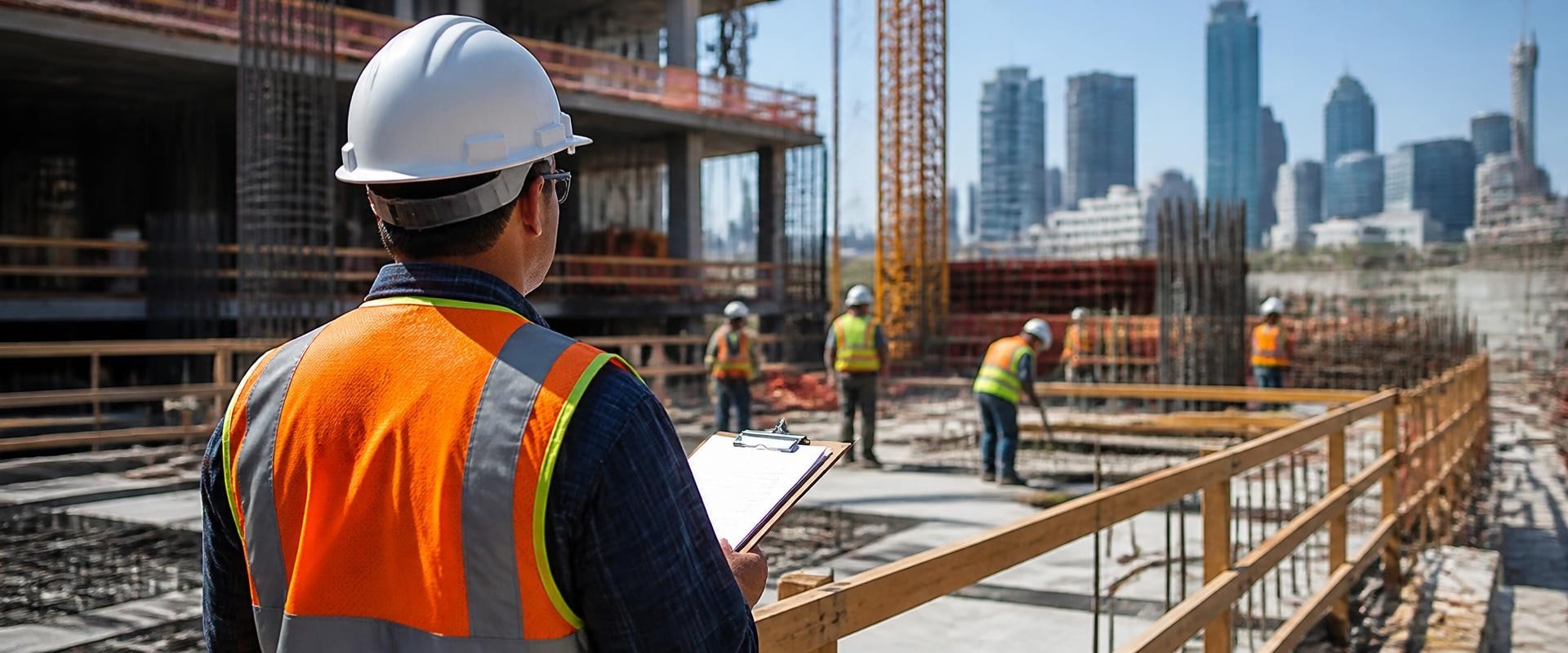
In the bustling world of construction, ensuring the safety and well-being of workers is paramount. OSHA regulations for construction sitesOSHA regulations for construction sites serve as a crucial framework designed to protect employees from potential hazards. In California, where the construction industry is thriving, understanding these regulations is essential for both employers and workers alike. As projects grow in size and complexity, so do the risks associated with them. From scaffolding to electrical work, each facet of construction presents unique challenges that can lead to injuries if not managed properly.
This is where the Occupational Safety and Health Administration (OSHA) steps in, providing guidelines that help mitigate these risks and promote a culture of safety on job sites. This article aims to demystify OSHA regulations for construction sites specifically within the Golden State. We will explore the fundamental principles behind these regulations, highlight key compliance requirements, and discuss the implications for contractors and workers. By the end of this piece, you will have a clearer understanding of how adhering to OSHA standards not only fosters a safer working environment but also enhances productivity and efficiency on construction sites. Join us as we delve into the critical aspects of OSHA regulations, equipping you with the knowledge necessary to navigate the complexities of safety in California's construction landscape. The Occupational Safety and Health Administration (OSHA) plays a crucial role in regulating workplace safety across various industries, including construction. Established under the Occupational Safety and Health Act of 1970, OSHA's primary mission is to ensure safe and healthy working conditions for employees by setting and enforcing standards.
In the context of construction sites, OSHA regulations are vital in minimizing hazards and preventing accidents that can lead to serious injuries or fatalities. In California, specific OSHA regulations govern the construction industry. These regulations encompass a wide range of safety standards that must be adhered to by employers and workers alike. For instance, construction sites must comply with regulations regarding fall protection, scaffolding safety, electrical safety, and personal protective equipment (PPE). These standards are designed to address the inherent risks associated with construction work, ensuring that workers are adequately protected while performing their duties. Moreover, OSHA regulations require specific training for workers on safety practices relevant to their tasks.
This includes training on how to properly use equipment, recognize hazards, and respond to emergencies. Additionally, the regulations stipulate that employers maintain records of workplace injuries and illnesses, facilitating transparency and accountability in the industry. California has also implemented state-specific regulations that complement federal OSHA standards. The California Division of Occupational Safety and Health (Cal/OSHA) enforces additional requirements that reflect the unique aspects of the state's construction environment. For instance, Cal/OSHA has more stringent regulations regarding heat illness prevention due to California's climate.
Employers are mandated to provide water, shade, and rest breaks to workers exposed to high temperatures, emphasizing the state's commitment to worker health. Common hazards on construction sites include falls from heights, being struck by objects, electrocutions, and exposure to harmful substances.
OSHA regulations
directly address these risks through guidelines that require employers to implement safety measures such as guardrails for elevated work areas, proper signage for hazard communication, and regular inspections of equipment. By adhering to these regulations, contractors can significantly reduce the likelihood of accidents on their job sites. Obtaining permits and licenses for construction projects in California involves navigating a complex process that requires compliance with both federal and state safety regulations. Before commencing a project, contractors must ensure they have all necessary permits from local authorities, which often include confirming adherence to OSHA regulations.This compliance not only promotes safety but also protects contractors from potential legal liabilities associated with non-compliance. Recent updates in California's construction industry highlight a growing focus on safety regulation improvements. New technologies such as drone inspections and wearable safety devices are becoming increasingly prevalent. These innovations enhance safety by providing real-time data on site conditions and worker health, allowing for proactive measures to be taken before incidents occur. However, contractors and homeowners often face challenges regarding compliance with OSHA regulations. The complexity of these regulations can be daunting, especially for small contractors who may lack the resources to navigate them effectively.
One solution is to engage with local trade associations or safety consultants who specialize in OSHA compliance. These professionals can provide valuable insights and assistance in understanding the regulatory landscape. Additionally, online resources offered by OSHA and Cal/OSHA can serve as guides for contractors looking to enhance their understanding of applicable regulations. Overall, it is clear that OSHA regulations for construction sites are essential in maintaining a safe working environment in California. By understanding these regulations and implementing best practices, homeowners and contractors can contribute significantly to reducing workplace hazards and ensuring the well-being of all individuals involved in construction projects.
California-Specific Safety Regulations
In addition to the federal OSHA regulations for construction sites, California has implemented its own set of safety regulations that are tailored to the unique challenges and risks associated with construction work in the state.These regulations are enforced by the California Division of Occupational Safety and Health (Cal/OSHA) and include specific requirements that enhance worker safety. One of the key regulations is the California General Industry Safety Orders, which provides comprehensive guidelines on various aspects of construction safety, including fall protection, scaffolding, and personal protective equipment (PPE). Contractors and project managers must ensure compliance with these orders to mitigate hazards effectively. Another important aspect is the , which provides comprehensive guidelines on various aspects of construction safety, including fall protection, scaffolding, and personal protective equipment (PPE). Contractors and project managers must ensure compliance with these orders to mitigate hazards effectively. Another important aspect is the California Construction Safety Orders, which detail safety measures for specific construction activities. For instance, there are strict regulations regarding excavation work, which require proper shoring and sloping techniques to prevent collapses and protect workers. Additionally, California has specific regulations addressing heat illness prevention, recognizing the state's warm climate and the increased risk of heat-related illnesses among outdoor workers. Employers are mandated to provide water, shade, and breaks to help prevent heat stress. Furthermore, California’s proposition 65 requires contractors to inform workers about potential exposure to hazardous chemicals on construction sites.
This regulation emphasizes the importance of maintaining a safe work environment by ensuring that workers are aware of any risks associated with their tasks. By understanding and adhering to these California-specific safety regulations, homeowners, contractors, and industry professionals can significantly enhance safety on construction sites, ultimately leading to a reduction in accidents and injuries.
Overview of OSHA and Its Importance
The Occupational Safety and Health Administration (OSHA) was established in 1970 as part of the United States Department of Labor. Its primary mission is to ensure safe and healthy working conditions for employees by setting and enforcing standards and providing training, outreach, education, and assistance. The significance of OSHA cannot be overstated, particularly in high-risk industries such as construction. OSHA regulations are crucial in promoting workplace safety as they provide a framework for identifying hazards and implementing necessary safety measures. By setting rigorous standards that employers must follow, OSHA helps to minimize the risks of accidents, injuries, and fatalities on construction sites.This is especially important in California, where the construction industry plays a vital role in the economy. For homeowners, contractors, and industry professionals in California, understanding OSHA regulations is essential. Compliance with these regulations not only helps protect workers but also contributes to the overall success of construction projects. When safety protocols are followed, it leads to fewer delays, reduced liability, and a more efficient workflow. Moreover, there is a growing interest among professionals in understanding state-specific regulations that may complement federal OSHA standards. California has its own set of regulations that can be more stringent than federal guidelines.
This emphasizes the importance of staying informed about both federal and state requirements to ensure compliance and enhance safety on construction sites.
Challenges and Solutions
Compliance with OSHA regulations for construction sites can present various challenges for contractors and homeowners in California. Understanding these obstacles is crucial to ensuring safety and legal compliance on job sites. One common challenge is the complexity of the regulations themselves. Many contractors may find it difficult to navigate the extensive guidelines set forth by OSHA, particularly when they are specific to California. This can lead to unintentional violations, which may result in fines and unsafe working conditions. Another challenge is the lack of training and awareness among workers.Many employees may not be familiar with OSHA regulations, leading to unsafe practices that jeopardize their safety and that of others on site. To address these challenges, contractors should invest in regular training sessions that focus on OSHA compliance. Providing comprehensive education on safety practices and regulations can empower workers to recognize hazards and take appropriate action. Additionally, establishing a clear communication channel regarding safety protocols is essential. Regular safety meetings can help ensure that everyone is on the same page and understands their responsibilities under OSHA regulations.Finally, utilizing resources such as OSHA's website, local safety organizations, or consulting with safety experts can provide invaluable guidance in maintaining compliance and implementing best practices.
Permits and Compliance
Obtaining the necessary permits and ensuring compliance with OSHA regulations for construction sites in California is crucial for maintaining a safe work environment. The process begins with identifying the specific permits required for your project.This may include general construction permits, safety permits, and specific permits related to hazardous materials, depending on the nature of the construction work. Contractors and homeowners should start by consulting local building departments to understand the local regulations that apply to their specific projects. These departments can provide guidance on the types of permits needed and the documentation required to obtain them. Once the necessary permits have been identified, applicants must complete the required paperwork and submit it to the appropriate authority. This process often involves providing detailed project plans, safety protocols, and proof of insurance. It is essential to ensure that all documentation reflects compliance with OSHA regulations, as this will be scrutinized during the permit review process. After obtaining the permits, ongoing compliance with OSHA regulations is vital throughout the construction process.
This includes regular safety inspections, employee training sessions, and maintaining accurate records of safety measures taken on-site. It's important for contractors to stay updated on any changes in OSHA regulations and state-specific laws that could impact their projects. In summary, navigating the permit process and ensuring compliance with OSHA regulations for construction sites requires careful planning and diligence. By prioritizing safety and adhering to regulatory requirements, construction professionals can help protect workers and ensure successful project completion.
Trends and Developments in Construction Safety
In recent years, the construction industry has witnessed significant trends and developments that are reshaping safety practices across the board. One of the most notable trends is the increased emphasis on technology integration in safety protocols.Tools such as drones for site inspections, wearable safety devices that monitor workers' health, and augmented reality for training purposes are becoming more common. These technologies not only enhance worker safety but also streamline compliance with OSHA regulations.Another significant trend is the growing awareness and implementation of safety culture within construction companies. Organizations are shifting their focus from merely complying with regulations to fostering an environment where safety is prioritized at every level. This includes ongoing training programs, open communication about safety concerns, and involving workers in decision-making processes related to safety measures. Furthermore, there is a rising focus on mental health in the construction industry.
Recognizing that mental well-being is crucial for overall safety, many companies are introducing programs aimed at supporting workers' mental health. This shift acknowledges that a mentally fit workforce is more alert and capable of adhering to safety practices. Lastly, the impact of the COVID-19 pandemic has led to new safety standards and protocols aimed at preventing virus transmission on construction sites. This has resulted in a reevaluation of existing safety measures and an adaptation to include health precautions alongside traditional safety regulations.These trends highlight the dynamic nature of construction safety practices and the need for all stakeholders—including homeowners, contractors, and industry professionals—to stay informed and adaptable to ensure compliance with both federal and state-specific OSHA regulations.
Key OSHA Regulations for Construction
OSHA regulations play a crucial role in maintaining safety on construction sites. These regulations are designed to protect workers from potential hazards and ensure that employers provide a safe working environment.Understanding these regulations is essential for homeowners, contractors, and industry professionals in California. One of the primary regulations that affect construction sites is the OSHA Construction Standards, outlined in 29 CFR 1926. This set of standards includes specific provisions that address various aspects of construction work, including scaffolding, fall protection, and electrical safety. For example, the Fall Protection Standard (29 CFR 1926.501) requires that employers provide fall protection systems when workers are exposed to fall hazards of six feet in the construction industry. This regulation emphasizes the importance of implementing appropriate safety measures to prevent accidents related to falls. Another significant regulation is the Scaffolding Standard (29 CFR 1926.451), which sets forth requirements for the design, construction, and use of scaffolding. This regulation ensures that scaffolds are erected safely and can support the intended loads, thereby reducing the risk of injuries. In addition to specific safety standards, OSHA training requirements are also critical for construction sites. Employers must ensure that workers receive proper training on the hazards they may encounter on the job.
For instance, the OSHA Outreach Training Program provides essential safety information to workers and covers topics such as hazard recognition and safe work practices. Furthermore, it is important to note that California has its own set of regulations that complement federal OSHA standards. The California Division of Occupational Safety and Health (Cal/OSHA) enforces additional regulations tailored to address the unique challenges faced by construction workers in the state. Understanding these state-specific regulations is vital for compliance and ensuring worker safety. In summary, key OSHA regulations for construction encompass a range of safety standards and training requirements that are essential for safeguarding workers on construction sites. Compliance with these regulations not only protects employees but also promotes a culture of safety within the construction industry. In conclusion, this article has provided a comprehensive overview of OSHA regulations for construction sites and their crucial role in promoting safety within the construction industry.
We explored the key OSHA regulations that apply specifically to construction, along with the unique safety regulations that are enforced in California. Understanding these regulations is vital not only for contractors and industry professionals but also for homeowners who wish to ensure that their projects are executed safely and in compliance with the law. The discussion highlighted the importance of obtaining the necessary permits and adhering to compliance standards, which are essential components of maintaining a safe work environment. Additionally, we examined current trends and developments in construction safety, along with the challenges faced by professionals in the field and potential solutions to these issues. Ultimately, it is imperative for all stakeholders involved in construction to stay informed about both federal and state-specific safety regulations. As you embark on your construction projects, remember that a thorough understanding of OSHA regulations can significantly mitigate risks and enhance overall safety on your job site.