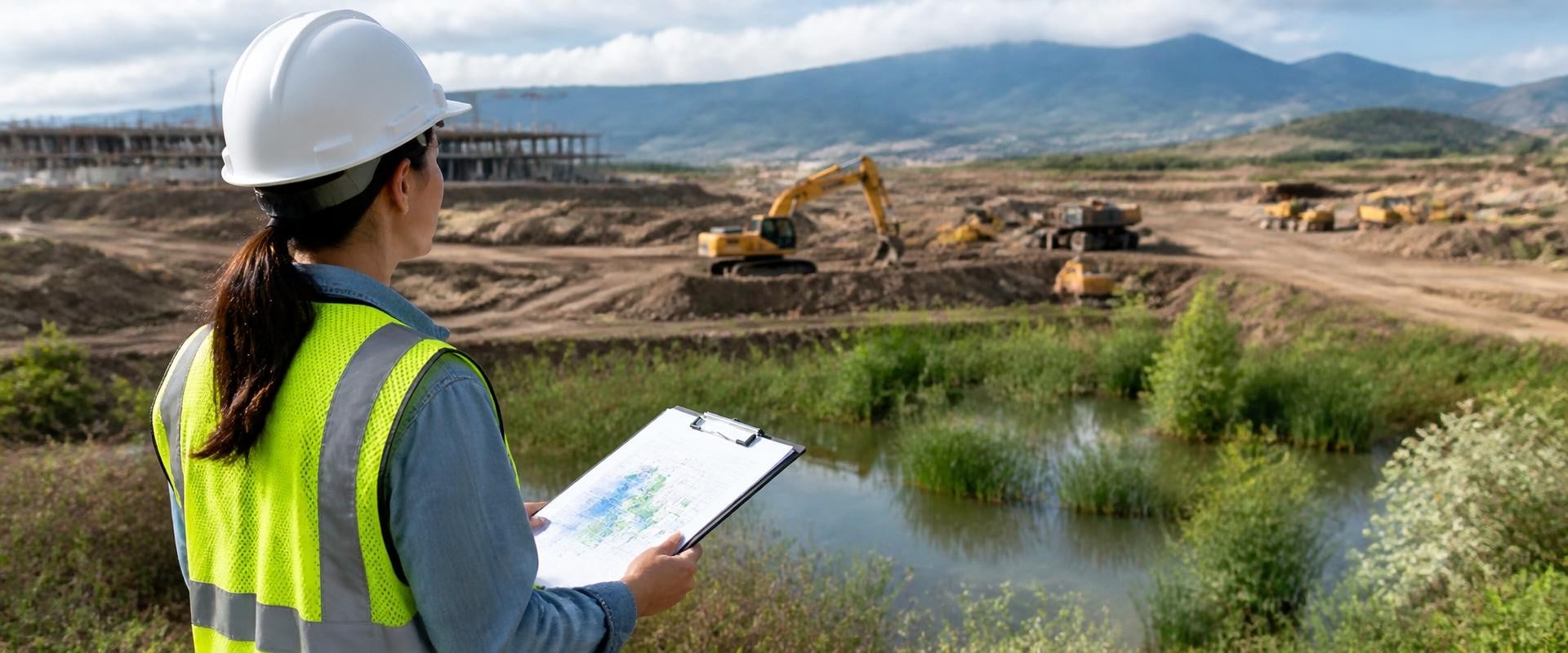
In the rapidly evolving world of construction, the focus on sustainability and environmental stewardship has never been more critical. As California continues to grow and develop, the significance of Environmental Impact Assessments (EIA) cannot be overstated. These assessments play a pivotal role in ensuring that new construction projects align with the state's rigorous environmental regulations and contribute positively to the community. California is known for its diverse ecosystems and breathtaking landscapes, making it essential for developers, contractors, and stakeholders to understand the implications of their projects on the environment. This is where Environmental Impact Assessments come into play.
They serve as a comprehensive evaluation tool, allowing decision-makers to identify potential environmental consequences before construction begins. In this article, we will delve into the intricacies of Environmental Impact Assessments in California Construction, shedding light on their purpose, process, and significance. By understanding the EIA framework, stakeholders can ensure compliance with state regulations while promoting sustainable development practices that protect California's unique natural resources. Join us as we explore how EIAs not only fulfill legal obligations but also foster a culture of environmental responsibility in the construction industry, paving the way for a greener future.
Environmental impact assessments (EIA)
are a critical component of the construction and development process in California, particularly given the state's commitment to environmental protection. An EIA is a systematic process designed to evaluate the potential environmental effects of a proposed project before any decision is made to move forward. This process not only helps in identifying potential environmental impacts but also ensures that developers, homeowners, and contractors comply with state regulations while mitigating adverse effects. The key components of an EIA include the identification and evaluation of potential environmental impacts, public participation, and the development of mitigation measures.The process typically begins with a project description, followed by a detailed analysis of the existing environmental conditions in the project area. This includes assessing factors such as air quality, water resources, wildlife habitats, and cultural resources. Once potential impacts are identified, stakeholders work collaboratively to propose mitigation measures that aim to minimize or eliminate negative consequences on the environment. In California, not all projects require an EIA; typically, larger construction projects or those with potential significant impacts on the environment are subject to this requirement. Examples include major residential developments, highways, and industrial facilities.
Stakeholders involved in the EIA process include project developers, government agencies, environmental organizations, and the general public. Each of these parties plays a role in ensuring that the assessment is thorough and considers various perspectives. One of the primary benefits of conducting an EIA is that it helps identify potential environmental impacts early in the planning process. For instance, in 2014, the proposed construction of a new housing development in Los Angeles faced significant opposition from local environmental groups due to concerns about habitat destruction for endangered species. The EIA conducted for this project revealed critical wildlife corridors that needed preservation.
As a result, developers were able to modify their plans to include green spaces and wildlife protections, ultimately leading to a more sustainable project outcome. The relationship between EIAs and building permits is integral to the broader permitting process in California. Before obtaining a building permit, developers must often complete an EIA if their project has the potential to significantly affect the environment. This requirement ensures that environmental considerations are integrated into the planning and permitting phases of development. The findings from an EIA can lead to conditions being placed on building permits that require adherence to specific mitigation measures to safeguard environmental resources. However, there are common misconceptions surrounding EIAs that contribute to their perceived complexity.
Many individuals believe that EIAs are overly bureaucratic processes that delay projects unnecessarily. In reality, while they do require time and detailed analysis, EIAs serve as essential tools for informed decision-making. They help prevent costly delays later in the construction process by addressing environmental concerns upfront. Perspectives on EIAs vary among stakeholders. Environmentalists often advocate for thorough EIAs as a means to protect California's diverse ecosystems and communities from harm due to unchecked development.
Conversely, developers may view EIAs as hurdles that complicate project timelines and increase costs. Local governments play a crucial role in balancing these perspectives by ensuring compliance with regulations while also considering community needs and economic growth. In conclusion, Environmental impact assessments (EIA) are vital for ensuring that construction projects in California proceed with due consideration for their environmental consequences. By understanding the key components of EIAs, their processes, and their importance within the permitting framework, stakeholders can engage more effectively in discussions about development and conservation in the state.
What is an Environmental Impact Assessment?
Environmental Impact Assessments (EIA) are systematic processes used to evaluate the potential environmental effects of proposed construction projects in California. These assessments help identify, predict, and mitigate any adverse impacts on the environment before a project is approved and initiated. The primary purpose of an EIA in California's construction framework is to ensure that decision-makers consider environmental consequences alongside economic and social factors.By doing so, EIAs facilitate informed planning and promote sustainable development practices that protect California’s diverse ecosystems and communities. In California, the California Environmental Quality Act (CEQA) mandates that an EIA be conducted for many types of projects. This legal requirement underscores the significance of EIAs in safeguarding natural resources, public health, and community well-being while allowing for necessary urban development. Through comprehensive evaluations, EIAs identify potential impacts such as air and water quality degradation, habitat destruction, and noise pollution. Stakeholder engagement is also a crucial part of the EIA process, enabling input from local communities, environmental groups, and other concerned parties to ensure that all perspectives are considered in project planning. Overall, Environmental Impact Assessments serve as a vital tool in California's construction landscape, promoting responsible development that aligns with the state's environmental goals and regulations.
Stakeholders in the EIA Process
The Environmental Impact Assessment (EIA)Environmental Impact Assessment (EIA) process in California involves a variety of stakeholders, each playing a crucial role in ensuring that environmental considerations are integrated into construction projects. Understanding these participants is essential for homeowners, contractors, and developers alike. First and foremost, government agencies are key players in the EIA process.These agencies, including the California Environmental Protection Agency (CalEPA) and local planning departments, are responsible for reviewing and approving EIAs. They set the regulatory framework and guidelines that must be followed, ensuring compliance with state and federal environmental laws. Contractors and developers also play a significant role in the EIA process. They are typically responsible for preparing the EIA documents, conducting necessary studies, and engaging with experts to assess potential environmental impacts. Their involvement ensures that the assessments are comprehensive and adhere to regulatory requirements. Lastly, public participation is a vital component of the EIA process.
Members of the community, including homeowners and local residents, have the opportunity to provide input during public comment periods. Their insights can help identify concerns that may not have been initially considered, promoting transparency and fostering a sense of ownership over environmental decisions. In summary, the EIA process in California relies on a collaborative effort among government agencies, contractors, and the public. Each stakeholder contributes to a thorough assessment that aims to protect the environment while facilitating responsible construction practices.
Common Misconceptions About EIAs
Environmental Impact Assessments (EIA) are often surrounded by misconceptions that can lead to confusion for homeowners, contractors, and developers alike. One common misunderstanding is that an EIA is merely a formality or a bureaucratic hurdle that does not significantly affect project outcomes.In reality, the EIA process is a crucial step in identifying potential environmental impacts before construction begins. It ensures that developers consider the environmental consequences of their projects, which can lead to more sustainable practices. Another misconception is that EIAs are only required for large-scale projects. While larger developments often undergo more extensive assessments, smaller projects can also trigger the need for an EIA. The California Environmental Quality Act (CEQA) stipulates that any project with the potential to impact the environment must undergo evaluation, regardless of size.
This means that homeowners planning renovations or small contractors need to be aware of the EIA requirements. Some people believe that completing an EIA guarantees project approval. While an EIA provides valuable insights and recommendations, it does not automatically secure permits or approvals. The findings from an EIA can lead to modifications in project plans or even a denial based on significant adverse effects identified during the assessment. Lastly, many assume that the EIA process is quick and straightforward. In truth, the duration and complexity of an EIA can vary greatly depending on the project and its potential impacts.
Engaging with the process early and thoroughly can help streamline approvals but requires a commitment to understanding and addressing environmental concerns.
Navigating Permits with an EIA
Obtaining an Environmental Impact Assessment (EIA) is a critical step in the construction permitting process in California. Before a contractor or developer can secure the necessary building permits, they must first complete an EIA to assess the potential environmental effects of their project. This assessment evaluates factors such as air quality, water resources, wildlife habitats, and community impacts. In California, the California Environmental Quality Act (CEQA) mandates that an EIA be conducted for projects that may significantly affect the environment. The completion of this assessment is not merely a procedural formality; it serves as a foundational document that informs decision-makers about the potential environmental consequences of proposed construction activities. Once the EIA is submitted and reviewed, it plays a vital role in the permit approval process.Local agencies utilize the findings from the EIA to determine whether to grant, deny, or conditionally approve building permits. Therefore, a thorough and well-prepared EIA can facilitate smoother interactions with regulatory bodies and expedite the approval timeline. Moreover, for homeowners and developers alike, understanding the implications of the EIA can lead to more informed decisions regarding project design and implementation. By proactively addressing potential environmental concerns highlighted in the EIA, stakeholders can enhance their chances of securing the necessary permits while also contributing to sustainable development practices. In conclusion, navigating permits in California's construction landscape requires a comprehensive understanding of how obtaining an EIA intersects with the permitting process. By recognizing the importance of this assessment, homeowners, contractors, and developers can better prepare for successful project outcomes while adhering to environmental regulations.
When is an EIA Required?
In California, Environmental Impact Assessments (EIA) are mandated for certain types of projects to ensure that potential environmental effects are thoroughly evaluated and mitigated.The requirement for an EIA is primarily dictated by the California Environmental Quality Act (CEQA), which stipulates that any project that may have a significant impact on the environment must undergo this assessment. Typically, EIAs are required for large-scale construction projects, such as those involving:
- Residential Developments: Any new housing projects that involve significant land alteration or result in increased density may require an EIA.
- Commercial Buildings: Construction of large commercial facilities, such as shopping centers, office buildings, or mixed-use developments often necessitate an EIA due to their potential impacts on local ecosystems and infrastructure.
- Infrastructure Projects: Projects involving roads, highways, bridges, or public transportation systems typically require an EIA, as they can significantly disrupt natural habitats and communities.
- Industrial Facilities: New industrial developments or expansions of existing facilities that could lead to increased emissions or waste generation are subject to EIA requirements.
- Public Works: Government-funded projects, including parks and recreational facilities, may also need an EIA to assess their environmental implications.
Case Studies: EIAs in Action
Environmental Impact Assessments (EIA) play a pivotal role in the planning and execution of construction projects across California. Their influence can be seen in various notable projects that have shaped community development while adhering to environmental standards.This section highlights key case studies where EIAs significantly impacted project planning and outcomes. One prominent example is the San Francisco Transbay Transit Center, a major transportation project aimed at improving transit access in the Bay Area. The EIA for this project identified potential impacts on air quality, noise levels, and local ecosystems. As a result, mitigation measures were implemented, including the use of sustainable building materials and noise-reducing construction techniques, ultimately leading to a more environmentally friendly development. Another significant case is the Los Angeles International Airport (LAX) Expansion Project. The EIA process for this extensive expansion involved comprehensive studies on traffic patterns, noise pollution, and the impact on local communities.
Through this assessment, the planning team was able to create strategies that addressed community concerns and environmental impacts, such as enhancing public transportation options and implementing stricter noise regulations. The California High-Speed Rail Project also serves as a noteworthy example. The EIA conducted for this ambitious transportation initiative revealed critical insights regarding land use changes, wildlife corridors, and community displacement. The findings led to modifications in the project's route to minimize adverse effects on sensitive habitats and residential areas, showcasing how EIAs can drive more sustainable development choices. These case studies illustrate the essential role of Environmental Impact Assessments in California's construction landscape. They not only ensure compliance with environmental regulations but also foster community engagement and promote environmentally responsible development practices.
The Future of EIAs in California Construction
As California continues to grapple with environmental challenges, the role of Environmental Impact Assessments (EIA) in construction is becoming increasingly critical.In the coming years, we can expect to see several trends and potential changes in EIA regulations that could significantly impact construction projects across the state. One major trend is the growing emphasis on sustainability and climate resilience. As California faces the effects of climate change, including wildfires and droughts, there is a push for stricter regulations that require EIAs to consider not just the immediate environmental impacts of construction but also the long-term sustainability of projects. This might include requirements for assessing how construction plans will adapt to future climate scenarios. Moreover, advancements in technology are poised to transform the EIA process. The integration of data analytics and geographic information systems (GIS) can enhance the accuracy and efficiency of assessments, allowing for more informed decision-making.
As these technologies become more accessible, regulatory agencies may update their guidelines to incorporate tech-driven assessments. Another significant change may involve public engagement in the EIA process. With increasing public awareness of environmental issues, stakeholders—including local communities—are demanding more transparency and involvement in decision-making. Future regulations may require more robust outreach and consultation processes, ensuring that community voices are heard before projects are approved. Lastly, as state and federal priorities shift towards environmental justice, there could be an increase in regulations aimed at protecting vulnerable communities disproportionately affected by construction activities. This could lead to more rigorous EIA requirements that focus on social impacts alongside environmental considerations. In summary, the future of Environmental Impact Assessments in California construction is likely to be shaped by a combination of sustainability imperatives, technological advancements, community engagement, and social equity considerations.
Stakeholders in the construction industry should stay informed about these trends to navigate the evolving regulatory landscape effectively.
The EIA Process
Environmental Impact Assessments (EIA) are critical tools used to evaluate the potential environmental effects of proposed construction projects in California. The EIA process consists of several key steps that ensure thorough examination and public participation. Firstly, the process begins with a preliminary assessment. This initial step involves identifying whether a project requires an EIA based on its type and potential environmental impacts. If the project is deemed likely to have significant impacts, a more detailed EIA will be necessary. Next, the scoping phase takes place.During scoping, relevant stakeholders, including government agencies, community members, and project proponents, are consulted to identify the key environmental issues that need to be addressed in the EIA. This phase helps to focus the assessment on the most significant concerns. Following scoping, the impact analysis phase occurs. Here, detailed studies are conducted to evaluate the potential environmental impacts of the proposed project. This analysis often includes examining aspects such as air quality, water resources, wildlife habitats, and cultural resources.
The findings from these studies will form the basis of the EIA report. Once the impact analysis is complete, the draft EIA report is prepared. This document outlines the findings from the impact analysis, discusses mitigation measures to reduce negative impacts, and presents alternatives to the proposed project. The draft EIA is then made available for public review. The public review period is a crucial component of the EIA process. During this time, community members and stakeholders can provide feedback on the draft report.
Public comments are collected and taken into account before finalizing the EIA. Finally, after addressing public comments and making necessary revisions, a final EIA report is issued. This document summarizes all findings and outlines any required mitigation measures. The final EIA is then submitted to relevant regulatory agencies for approval, ensuring that all identified environmental impacts are adequately addressed before construction can commence. In summary, the EIA process in California is a comprehensive approach that involves multiple steps designed to protect the environment while facilitating responsible development. By following this structured process, homeowners, contractors, and developers can ensure compliance with state regulations and contribute to sustainable construction practices. In conclusion, understanding Environmental Impact Assessments (EIA) is crucial for anyone involved in or considering construction projects in California.
Throughout this article, we explored the definition and significance of EIAs, the intricate EIA process, and the circumstances under which an EIA is required. We also highlighted the various stakeholders involved in the EIA process, presented case studies illustrating EIAs in action, and addressed common misconceptions that often surround these assessments. Moreover, we discussed how navigating permits with an EIA can simplify compliance with environmental regulations, and we looked toward the future of EIAs in California construction amidst evolving regulations and practices. It is essential for homeowners, contractors, and developers alike to recognize that EIAs not only play a vital role in ensuring environmental protection but also aid in adhering to state regulations. As the landscape of construction and environmental regulations continues to change, we encourage readers to stay informed about updates and best practices related to environmental assessments. By doing so, stakeholders can contribute to sustainable development while safeguarding California's natural resources.